 admin
admin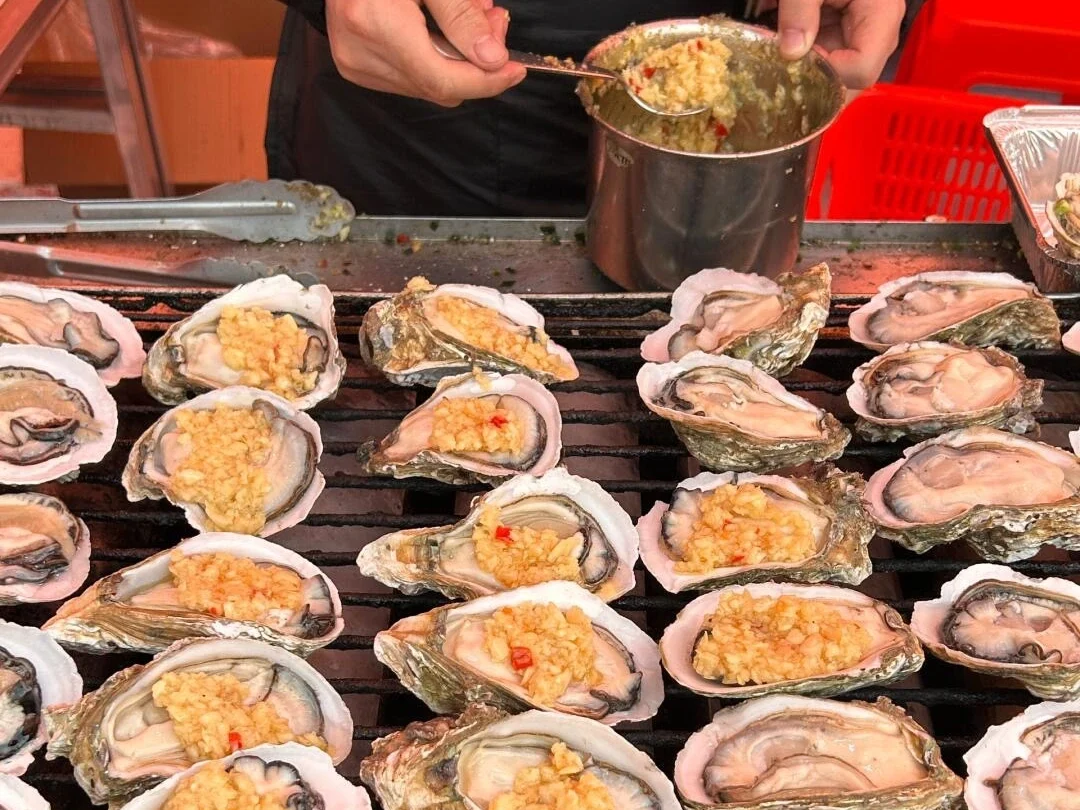
Discover the best food in Shenzhen, from fresh
seafood markets and authentic dim sum to lively night markets and unique Hakka feasts.
In Shenzhen, chopsticks meet forks, dim sum steamers trade shifts with sizzling night market grills, and food has become the city’s most colorful cultural mosaic. With migrants from across China and beyond, its dining scene blends Cantonese shrimp dumplings with Chaoshan beef balls, Hakka stuffed tofu with Hunan chili fish head, and even Thai tom yum with Japanese yakitori. Here, “authentic” is redefined—deliciousness is the only rule.

Shenzhen’s food culture balances deep roots with bold creativity. You can still savor charcoal-roasted oysters from its fishing village days, lychee-wood roasted goose from rustic towns, and festive poon choi in the old city. Yet the city also experiments—black truffle on roast goose, lychee and Pu’er fusion teas, or late-night lobster rice rolls. In Shenzhen, tradition thrives by reinventing itself.
From dawn to deep night, Shenzhen’s dining never sleeps. Morning tea houses welcome both suited office workers and locals in slippers. At noon, skyscraper restaurants pair Cantonese bites with sweeping bay views. After dark, barbecue stalls fill the alleys with garlic oysters, spicy hotpot, and sweet-sour candied fruits. By 3 a.m., seafood markets are already stirring, proving that in Shenzhen, there’s always something sizzling.
Local Traditional Flavors – The Taste Memory of Old Shenzhen
Hidden in side streets and old neighborhoods, these dishes capture Shenzhen’s journey from fishing village to modern city, each bite carrying the scent of sea breeze and time.
Shajing Oysters – “Golden Gift from the Sea”

Known as the soul of Shenzhen’s “oyster homeland,” Shajing oysters have been prized since the Song Dynasty. Plump, juicy meat is brushed with garlic sauce and charcoal-grilled until the juices gently bubble—one bite delivers a rush of ocean freshness. For richer flavors, try baked oysters with cheese, or the traditional braised pig’s trotters with dried oysters, perfect for chilly months. The best season is October to April, when the oysters are at their fattest.
Gongming Roast Goose – Lychee-Wood Crisp Legend

From Gongming Town, this roast goose is slow-cooked over local lychee wood, infusing the meat with a sweet, smoky aroma. The amber-toned skin shatters at the touch, while the tender meat releases savory juices. Dip in tangy plum sauce to cut the richness. Old locals swear by the decades-old Gongming Roast Goose shop, where queues often form by mid-afternoon for fresh-from-the-oven batches.
Nantou Poon Choi – A Layered Taste of Reunion

In Nantou Ancient City, poon choi is a celebration in a bowl. Abalone, sea cucumber, roast duck, chicken, mushrooms, and more are layered over turnip and bean curd sheets, all soaking up rich broth. Born from Ming-era communal “big pot” meals, it’s now a must for festivals and housewarmings. Traditional versions from Nantou restaurants are best pre-ordered a few days in advance for authentic, slow-cooked flavor.
Hakka Stuffed Trio – A Homestyle Bonding Dish

In Longgang and Pingshan, Hakka families treasure the “stuffed three treasures”: tofu filled with minced pork, bitter melon stuffed with shrimp paste, and eggplant stuffed with the same savory mix. Pan-fried to golden perfection, then braised in a rich sauce, each bite balances tenderness, bitterness, or softness. Paired with Hakka yellow wine, it’s a dish that carries both flavor and tradition.
Guangming Roast Pigeon – Crisp-Skinned Delicacy

A Shenzhen classic, Guangming roast pigeon uses 18-day-old birds marinated in a secret brine, then deep-fried until the skin is paper-thin and crisp. Tear it open to reveal tender, juicy meat. The traditional “three-way” feast includes the whole roast pigeon, salt-and-pepper-fried bones, and pigeon offal congee, often paired with chilled lychee honey for balance. The iconic Guangming Guesthouse is the birthplace of this dish, with nearby shops offering equally outstanding versions.
Songgang Cured Duck – Autumn’s Smoky Memory

Every late autumn, rows of cured ducks hang from rooftops in Songgang, a seasonal sight in old Shenzhen. Local ducks are salted, spiced, air-dried, and sun-cured for over two weeks, yielding amber skin and firm, savory meat. Steaming brings out its pure aroma, with duck fat seeping into rice for irresistible flavor; simmering with radish offers a comforting balance. Longtime cured-meat shops here still follow traditional methods, with gift boxes popular for Lunar New Year.
Xixiang Prawn – Sweetness from Brackish Waters

Raised where the Pearl River’s freshwater meets the sea, Xixiang prawns have naturally sweet, tender meat beneath thin shells. The purest taste comes from quick blanching and dipping in ginger soy sauce; braising in soy and aromatics creates a rich, saucy version perfect with beer. Seafood restaurants near the Xixiang market serve prawns caught that morning, with the plumpest found before the Qingming Festival.
Cantonese & Chaoshan Flavors – The “Half the Table” of Shenzhen
In Shenzhen, the delicacy of Cantonese cuisine and the freshness of Chaoshan fare weave together like twin threads of flavor, holding up half of the city’s dining culture.
Cantonese Dim Sum – Slow Mornings in a Cup of Tea

Dim sum is a daily ritual for Shenzhen locals. Har gow have paper-thin skins wrapped around whole shrimp; siu mai balance minced pork and shrimp, topped with crab roe; rice noodle rolls are smooth, thin, and drizzled with soy sauce. Old tea houses like Dian Dou De offer elegance, while neighborhood cafés brim with locals in slippers by 7 a.m. Hidden gems include XO sauce-fried radish cake and caramel-scented sponge cake with chrysanthemum tea.
Cantonese Roasted Meats – Glazed Temptations of the Street

Roast meat shops shine across Shenzhen. Roast goose from black-feathered birds has crisp amber skin and sweet-tart plum sauce; char siu, ideally marbled, is sticky with honey glaze; roast duck wins on shatter-crisp skin. In Luohu’s “Roast Meat Street,” goose leg rice drenched in gravy satisfies for a few coins; in Futian, Meilin’s famed char siu sells out soon after its 3 p.m. roast.
Chaoshan Beef Hotpot – Precision in Blade and Broth

Chaoshan beef hotpot pairs a clear beef-bone broth with expert knife work. Paper-thin tenderloin curls in eight seconds, melting in the mouth; fatty brisket is rich yet clean; sirloin strip is springy and full-flavored. Dipping sauce blends satay, Puning bean paste, and celery. Chaoshan enclaves in Futian and Nanshan serve the freshest cuts, while chains like Haiyin Haiji and Baheli deliver dependable flavor.
Kway Teow Soup & Beef Balls – Comfort in a Bowl

A night market favorite, kway teow soup features silky rice noodles in four-hour beef bone broth, topped with lettuce and handmade beef balls. These “kung fu balls” burst with juice at first bite. Some stalls add tripe, brisket, and fatty cuts. In Luohu’s Hubei Village or Bao’an’s Fanshen Village, diners sit on tiny stools at 2 a.m., sipping noodles with a cold beer.
Chaoshan Claypot Porridge – Freshness Rolled in Rice

Cooked to order, claypot porridge simmers rice until creamy before adding fresh shrimp, crab, or squid. Classic “boat porridge” brims with squid, dried shrimp, peanuts, and pork skin; “assorted offal porridge” uses kidney, liver, and heart with ginger for depth. In Futian, “Chaoshan Claypot Porridge King” is famed for crab roe porridge, while street stalls serve steaming pots alongside friendly late-night chatter.
Innovative Fusion Cuisine
Tea Restaurant Hidden Gems – Street-Style Surprises

Hong Kong–style tea restaurants are Shenzhen’s playground for fusion. “Heartbreak BBQ Pork Rice” pairs caramelized char siu with a runny egg over chicken-oil-fried rice. “Truffle French Toast” at Wah Sing Café oozes black truffle aroma beneath its golden crust. XO-sautéed green beans at Ke Ming Café mix Cantonese soy with Hunan heat, perfect with plain congee. At Fat Tao Café, tomato beef steak baked rice comes blanketed in molten cheese—half a meter of stretchy goodness made for social feeds.
Modern Cantonese – Old Flavors, New Glamour

In Futian’s skyline, Cantonese classics get a luxury makeover. Truffle roast goose marries wood-smoked skin with earthy mushroom aroma, while molecular har gow hides mango pearls inside translucent wrappers. At Qiaocheng No. 1, crispy char siu comes with hawthorn foam for sweet-tart contrast, framed by bay-view windows. At Yu Baxian, plum-braised pork ribs melt off the bone, the fruity sauce loved by both young diners and family elders.
Trending Tea Drinks – New Chinese Social Sips

Shenzhen’s homegrown tea brands thrive on seasonal creativity. Heytea’s spring yangmei slush balances tart berry with floral green tea, while autumn’s “Persimmon Coconut” blends silky coconut milk with rich pulp. Nayuki’s “Bàqì Oil-Citrus” tea is refreshing with its bittersweet finish, best paired with their cream-filled strawberry breadstick. Tea’stone offers “Aged Tangerine Peel White Tea” brewed tableside, served with almond crisps and Chaozhou pastries for a modern take on traditional tea gatherings.
Creative Southeast Asian Fusion – A Cross-Border Feast

In Shekou, Xingye’s tom yum is built on slow-simmered Cantonese pork broth, its tangy heat perfect for dipping Chaozhou beef balls. At Yeke, Hainan chicken rice comes with satay peanut sauce and coconut-infused rice for a local twist. Dai Jui’s curry beef brisket pot, served with fried dough sticks, lets you soak up thick, coconut-rich curry until every bite carries spice, beef, and bread aromas in harmony.
Shenzhen Food by District section
Futian District – Where Skyscrapers Meet Old Streets
In Shenzhen’s CBD, gourmet skyscrapers stand alongside bustling old neighborhoods, where bankers and locals share the same tables.
Huaqiangbei / Zhenhua Road – Chaoshan Flavors Underground

This foodie hub hides Chaoshan specialties in plain sight. Licorice fruit stalls soak green mangoes and starfruit in sweet-sour brine, while peanut- and sesame-filled sugar pancakes shatter with each bite. For a proper meal, head to Sheng Ji, where claypot congee simmers to silky perfection and the fresh beef slices in the beef congee melt in your mouth. Pair it with salt-baked chicken—its crisp skin and sand ginger aroma are a Chaoshan chef’s secret combo.
Chegongmiao – Little Southeast Asia

The air here is laced with lemongrass and chili. Siam Thai’s mango sticky rice is a must—sweet mango dripping with juice, glutinous rice wrapped in coconut cream, and a sprinkle of toasted sesame. Japanese izakayas tucked between office blocks lure white-collar crowds after work with sake, grilled beef tongue, and mentaiko zucchini, bringing a dose of urban relaxation.
Meilin No. 1 Village – A Community Food Archive

Home to time-tested local favorites, Meilin Shaola’s roast duck leg rice is a worker’s lunch bible—skin crisp to the point of crumbling, rice drenched in rich gravy. At Zhanjiang Chicken Rice, free-range chicken is butchered fresh daily, served white-cut with sand ginger soy. The meat is so fresh it still carries a blush, tasting as if it came straight from the seaside that morning.
Luohu District – Time-Seasoned Streets
As Shenzhen’s oldest developed district, Luohu’s food is steeped in decades of flavor, with hidden recipes tucked in every alley.
Dongmen Old Street – Street Food Carnival

Here, sizzling takoyaki release clouds of bonito aroma under a drizzle of mayonnaise, while wheel cakes filled with slow-cooked red bean paste offer crisp shells and sweet, creamy centers—a school-kid classic. By 11 p.m., the scent of Wang Shifu BBQ’s grilled chicken wings fills the street. Brushed with secret chili sauce, the wings are smoky, juicy, and best with an ice-cold beer.
Hubei Village – A Reborn Food Haven

Once slated for demolition, this narrow-lane enclave is now thriving again. Uncle’s Lemon Tea is beaten the old way for a frothy, fragrant sip that cuts through the grease of Hu Xu Lao’s spicy chicken hotpot. The chicken is deeply infused with flavor, while konjac and fried tofu skins soak up the chili-red broth. Sip lemon tea between bites for an addictive hot-and-cold rush.
Liantang – Midnight Kitchen at Wutong Mountain’s Foot

At Liantang First, lights stay on until 3 a.m. Their fresh-off-the-day pork offal congee—made with kidney, liver, and intestine—has a creamy rice base and a sprinkle of white pepper to warm you through. The owner knows regulars’ preferences by heart: “extra ginger” or “less salt” needs no reminder, and each steaming bowl arrives just right.
Nanshan District – Where Creativity Meets the Sea
In Nanshan, food evolves as fast as the code in its tech hub—where inventive dishes meet the pure sweetness of fresh seafood.
Shekou – A United Nations of Flavors

In Sea World, Italian pizzas emerge from wood-fired ovens with crisp bases and cheese stretching half a meter, while Mexican tacos wrap grilled beef and avocado in a zesty, refreshing bite. Locals swear by Yuan Ji Cloud Dumplings—shrimp wontons served dry with chili oil and peanut sauce. The silky wrappers and springy shrimp filling, paired with iced lemon tea, make the perfect recharge after a stroll.
Coastal City / The MixC – Arena of Trendy Restaurants

At Tan Yu, Chongqing-style tofu pudding grilled fish arrives sizzling, the pudding as soft as custard and the fish infused with numbing-spicy broth, best cooled with a bowl of sweet ice jelly. At Gyukaku, Japanese BBQ is done over fruitwood charcoal, grilling short ribs to tender perfection. A dip in sea salt sends the aroma sky-high, ideal for friends gathered around the grill.
Shekou Market – A Paradise for Seafood Lovers

Here, crabs and mantis shrimp writhe fresh from the tanks, ready for a restaurant next door to cook to your liking. Poached with ginger and soy, crab meat turns sugar-sweet and roe glows orange. For more punch, opt for typhoon-shelter style, where garlic and chili cling to each bite—best with a bowl of plain congee to soak up the flavors.
Yantian / Bao’an / Guangming – Specialty Strongholds
These three districts serve Shenzhen’s boldest flavors, each bite packed with local character.
Yantian Seafood Street – Ocean Fresh at the Source

Only 100 meters from the docks, sea urchins still smell of the tide before becoming golden fried rice, each grain coated in rich roe sweetness. Steamed grouper, tender and topped with soy, shows mastery in restraint. Prices run nearly half those in the city center, drawing weekend crowds in lines stretching for kilometers.
Fuyong, Bao’an – Birthplace of Lychee-Wood Roast Goose

Next to Huaide Lion Dance, an old shop roasts goose slowly over local lychee wood, infusing meat with fruity smoke. The skin shatters like glass, releasing hot juices. A dip of lychee honey softens the richness. Eating roast goose while watching street lion dances is pure old-Bao’an tradition.
Guangming – The Holy Land for Roast Pigeon

Guangming Guesthouse’s pigeons are Shenzhen pride—skin crisp, meat succulent, with juices running down your fingers. A dash of pepper salt lifts the aroma. Their corn fritters, fried golden and drizzled with condensed milk, balance sweet and savory. A post-meal walk on the red boardwalk at Hongqiao Park, winding around green hills, is the perfect finish.
Signature Food Experiences – More Than Just a Meal
In Shenzhen, eating is never just about filling your stomach—it’s a conversation with the city’s streets, a touch of tradition, and a slow pause in a fast-paced life. Each experience carries its own ritual.
Seafood Market Selection – From Dock to Dining Table

At Buji Agricultural Wholesale Market and Shekou Seafood Market, the day starts at 5 a.m., when fishermen unload nets of jumping prawns, crabs snapping their claws, and mantis shrimp showing their bright orange roe. Choosing seafood here is an art: prawns with firm antennae, crabs with hard bellies. Ask vendors to shell on the spot for peace of mind, then take your catch to nearby restaurants—just ¥10 per jin for cooking. Boiled, salt-and-pepper, or typhoon-shelter style, the choice is yours. At Shekou’s Fisherman Lao, ginger-scallion crab is the star, fragrant and sweet against plain congee—about ¥50 per person for a feast fresher than any supermarket chain can offer.
Cantonese Morning Tea – The Slow Life in a Teapot

By 8 a.m. on weekends, old teahouses like Dian Dou De and Tao Tao Ju are full. Elderly locals in vests chat in Cantonese while young professionals slow their pace. The ritual of “one pot, two dim sums” starts with rinsing tea leaves, then shrimp dumplings—skins so thin you see the pink-white shrimp inside, bursting with juice—followed by evenly pleated siu mai crowned with fresh crab roe. By the third pour, it’s time to “refresh” the tea leaves and order a slice of steamed sponge cake, caramel-scented and fluffy. Lingering until 10 a.m., you’ll understand the Cantonese art of yum cha—luxuriously wasting time on food.
Night Market Stroll – A Carnival Under the Lights

When office towers go dark, Shenzhen’s night markets wake up. Bao’an’s Fanshen Night Market is heaven for oyster lovers, with garlic-grilled shells sending aroma for blocks. In Longhua’s Wanzhongcheng, spicy hotpot skewers boil in chili broth—konjac, kelp, and fish balls soak up the heat, while instant noodles turn into chili-slick comfort. Surprise treats appear around corners: an old lady selling red-bean-stuffed bo zai gou rice pudding, or a cart churning fresh mango ice cream. Sitting on a low stool, biting into skewers under neon lights, you taste the city’s nightlife heartbeat.
Shenzhen Food Pitfall Guide – Essential Tips
Seafood Market Selection
- Watch vendors closely to avoid live seafood being swapped for dead ones.
- Use a portable scale or market’s public scale; drain excess water before weighing.
- Confirm cooking method and price upfront; avoid vague “market price” terms.
- Choose stalls with clear pricing; in Yantian, cooking fees are usually ¥10–20 per jin.
Cantonese Morning Tea
- Arrive before 8 a.m. on weekends to skip queues; before 11 a.m. often gets ~22% discount.
- Off-peak hours (weekday 10:30 a.m. or after 2 p.m.) are quieter for yum cha.
- Check if seat or tissue fees are included; prefer traditional pushcart-style dim sum for freshness.
Night Market Dining
- Choose regulated markets with visible licenses; many stalls only accept WeChat/Alipay.
- Wear non-slip shoes; some areas have wet or uneven ground.
- Late-night open-air spots can be noisy—opt for established shops with seating.
Hakka Walled-Village Banquet
- Reserve 1–2 days ahead, especially during holidays; some venues include cultural shows.
- Must-try dishes: salt-baked chicken, stuffed tofu; pair with Hakka yellow wine for authenticity.
Guangming Roast Pigeon & Yantian Seafood
- At Guangming Guesthouse, arrive before 11 a.m. or dine off-peak; look for the “Guangming Three Treasures” mark to ensure authenticity.
- In Yantian Seafood Street, pick restaurants close to the market for fresher catches and better value.
General Safety & Savings Tips
- Avoid overpriced tourist-area restaurants; choose long-standing local favorites.
- Use review apps to find “10+ years in business” spots; beware of overhyped social media restaurants.
- Skip overnight-prepped seafood porridge or cold dishes; choose freshly made items.
- Report hygiene or weighing issues to 12315 for quick official action.