 admin
admin
Explore Beijing’s top flavors: savor crispy
Peking Duck, hearty hot pot, bold hutong
snacks, and sweet treats—all mapped for the food adventure.
Beijing cuisine blends hearty northern flavors, refined imperial techniques, and lively street‑food vibes. Signature dishes like Peking duck showcase the rich “fat and red sauce” style, with crispy skin and sweet bean paste layers. At the same time, light snacks such as ai wo wo and lu da gun use soft glutinous rice and sweet fillings like red bean or sesame, offering a refreshing contrast.
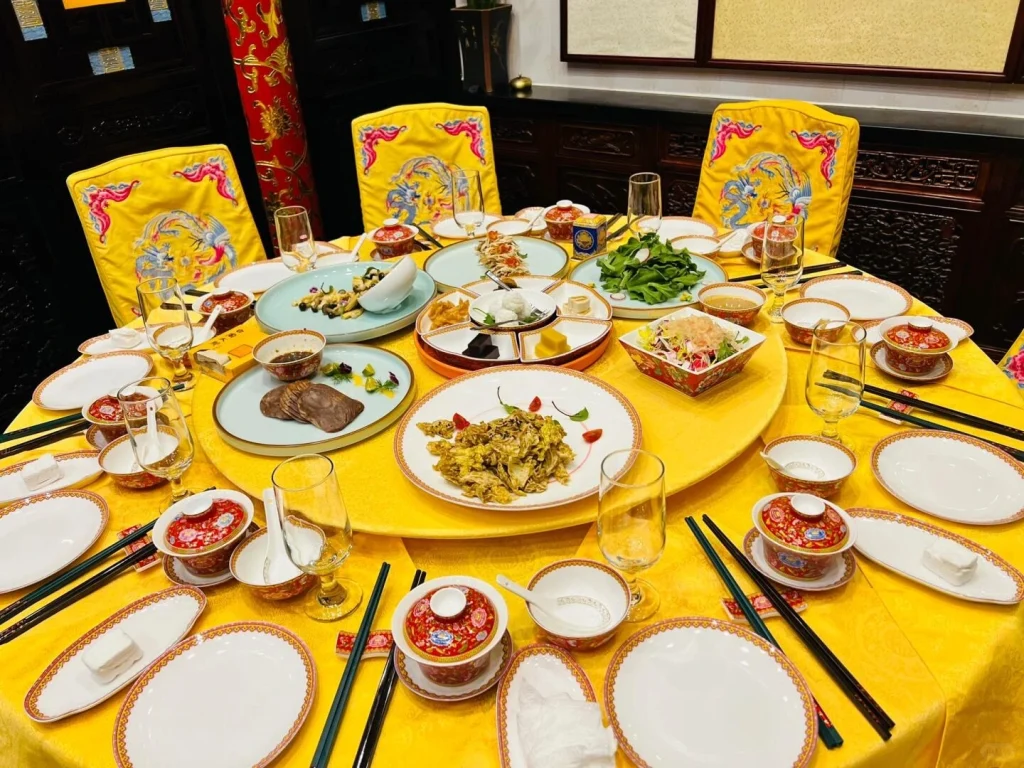
Ingredients range from humble staples—wheat flour, coarse grains, pork and mutton—to luxury items once reserved for the palace. Classics like zhajiangmian noodles and dālián huǒshāo pancakes turn ordinary dough into unforgettable meals. This culinary scene also tells Beijing’s story: palace duck recipes became a national icon, douzhi breakfast carries hutong memories, and Sachima pastries reflect Han‑Manchu fusion.
Across alleys and historic restaurants, you’ll find Han, Manchu, and Hui specialties side by side. From sizzling baodu tripe to sesame‑coated ai wo wo, Beijing’s food scene celebrates diversity. Whether you crave an elegant banquet or a grab‑and‑go snack, the city delivers flavor, history, and community in every bite.
5 Signature Dishes You Can’t Miss
1. Peking Duck: The City’s Edible Icon
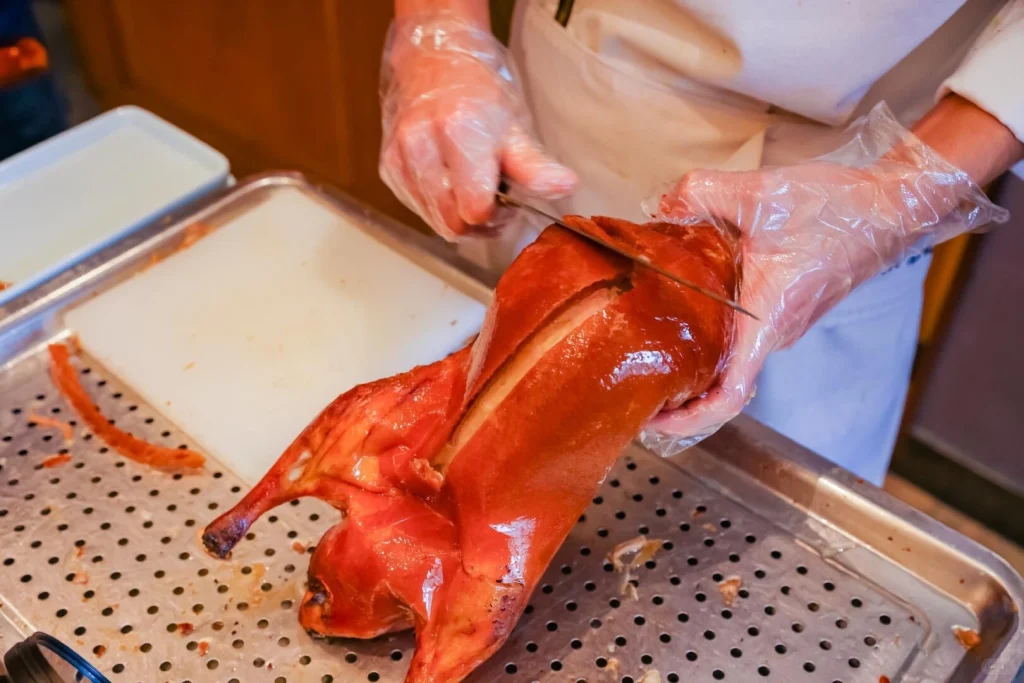
Peking Duck is Beijing’s most famous flavor symbol. Its skin turns glossy amber and crackles with each bite. Underneath, the meat stays tender and juicy—not greasy. Served with thin pancakes, sweet bean sauce, scallions, and cucumber, every mouthful layers crisp, savory, and fresh.
Where to Eat
- Quanjude (Hepingmen): Experience the classic “hanging oven” show. Chefs carve tableside, and the paper‐thin skin melts on your tongue. Don’t skip the secret sweet bean sauce—perfectly balanced salt and sugar.
- Bianyifang (Hadamen): Famous for “closed‐oven” roasting that locks in moisture. Less oil, more gentle meat flavor—ideal if you prefer a lighter taste or are dining with kids and elders.
- Sijiminfu (Forbidden City): Best value near the palace walls. The sugar‐dip skin keeps you coming back, and the free duck‐bone soup, spiked with scallions, tastes like pure umami.
Must‑Do Tastes
- Dip skin in sugar for a pure crunch.
- Wrap meat in a pancake with cucumber for a refreshing bite.
- End with a steaming bowl of duck‐bone soup.
2. Copper‑Pot Mutton: Beijing’s Cozy Winter Ritual
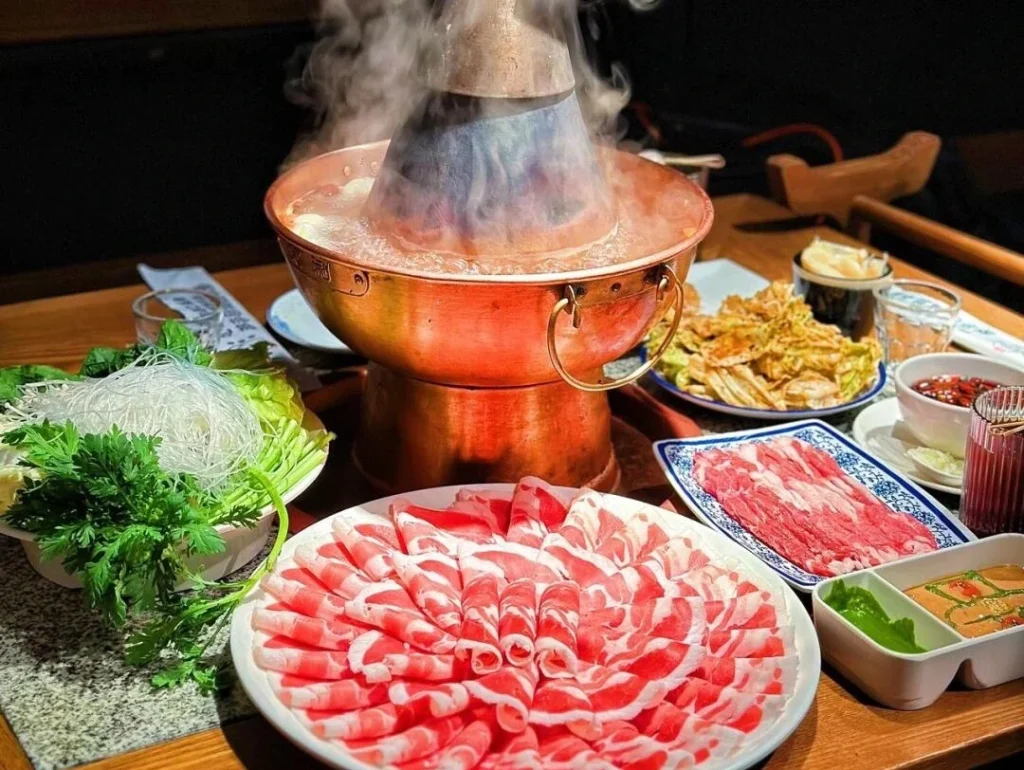
Nothing warms you like a bubbling copper pot full of clear broth, sliced ginger, and scallion. Thin‐sliced mutton—paper‑thin and fresh—dips in for just eight seconds. Then dunk it into a sesame‐and‑fermented tofu sauce spiked with chive flowers. One bite and the rich meat and nutty sauce melt in your mouth.
Where to Eat
- Jubaoyuan (Niujie): The hottest spot for hand‑cut mutton with a hint of milky sweetness. Their secret sesame sauce and fresh chili oil create a flavor explosion. (Tip: Arrive early to skip the two‑hour wait!)
- Donglaishun (Wangfujing): Over a century old, they use charcoal under every pot and top‑grade Sunite lamb from Inner Mongolia. Try their crunchy high‑calcium cuts with a side of pickled garlic.
- Nanmen Shuanrou (Dia’anmen): Tucked in a quiet hutong, this spot boasts spotless windows overlooking Shichahai. Finish your meal by cooking mixed noodles in the remaining broth—pure comfort.
3. Zhi‑Zi Barbecue: Hutong Street‑Food Carnival
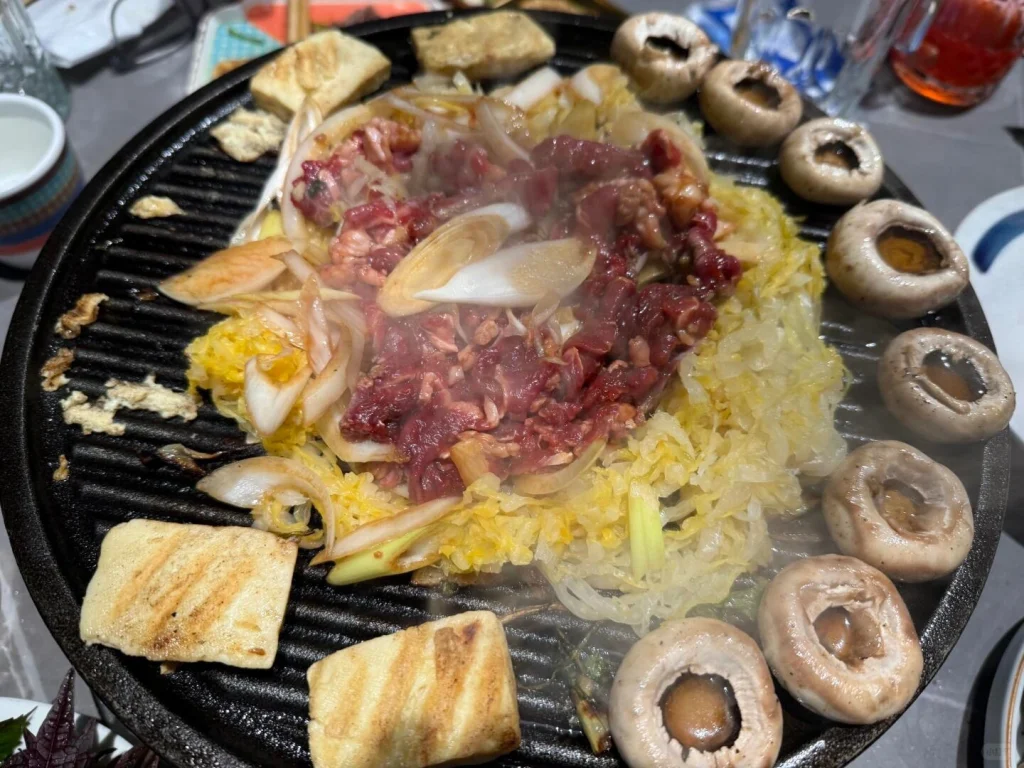
Imagine a sizzling iron griddle, meat fat dripping and smoking, while cumin and chili flakes rain down. Zhi‑Zi grill brings that drama to life in narrow alleyways. From lamb skewers and beef tongue to kidney slices, every cut gets that perfect char. Wrap in lettuce or pancakes, add garlic, and you’re in barbecue heaven.
Where to Eat
- Kaorou Ji (Shichahai): A century‑old institution grilling Inner Mongolian castrated lamb (“jiayang”). Pair meat with their signature pickled garlic and sesame‑seed flatbread for the full ritual.
- Dahuaishu Barbecue (Dongsi): A hidden gem where the griddle’s patina tells stories of decades. Try beef tongue for a bouncy bite, and let the friendly owner coach you on steak‑house‑style doneness.
4. Mending Meat Pie: The Juicy Hutong Bomb
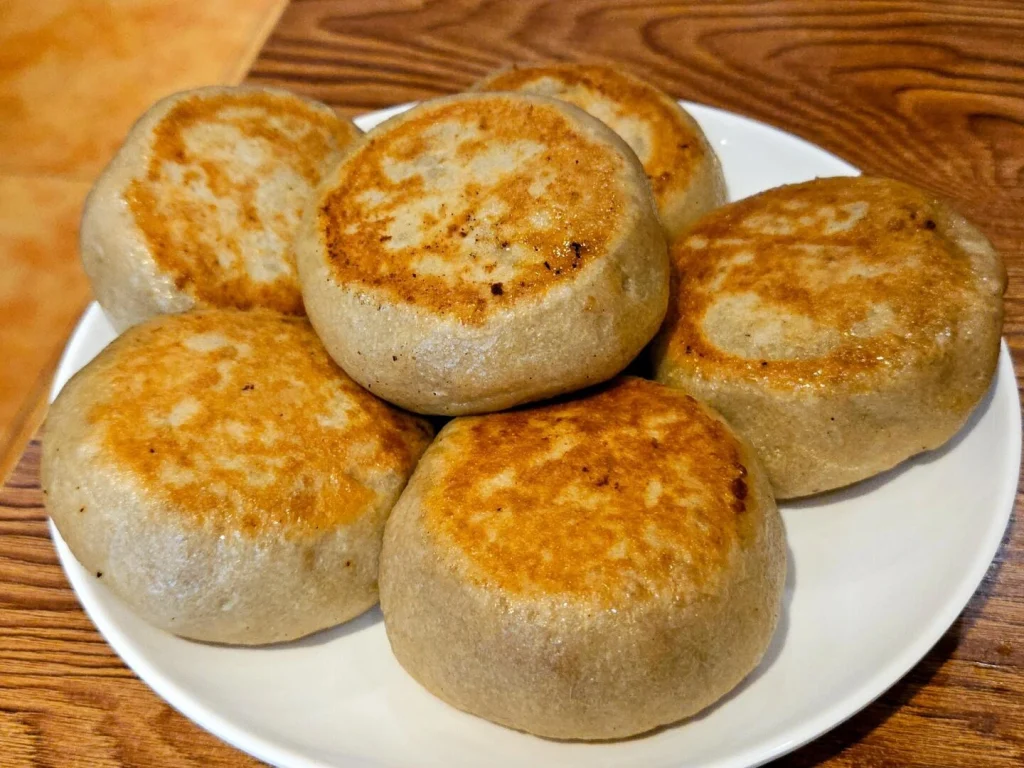
Shaped like old city gate studs, these golden pies hide a burst of savory juice inside. Bite through the crisp, flaky crust and hot lamb‑and‑beef filling drenched in meaty broth—just watch your tongue! Each pie packs deep, salty umami balanced by a tender exterior.
Where to Eat
- Baorui Mendin Bing (Niujie): A halal staple renowned for onion‑studded beef filling that oozes flavor. They even poke a tiny hole before baking so you can let out steam—and never burn your mouth!
- (Explore Local Stalls): Wander any hutong—these pies are everywhere. Look for vendors pulling fresh dough and listen for that telltale sizzle.
5. Zhajiangmian: Beijing’s Comfort in a Bowl
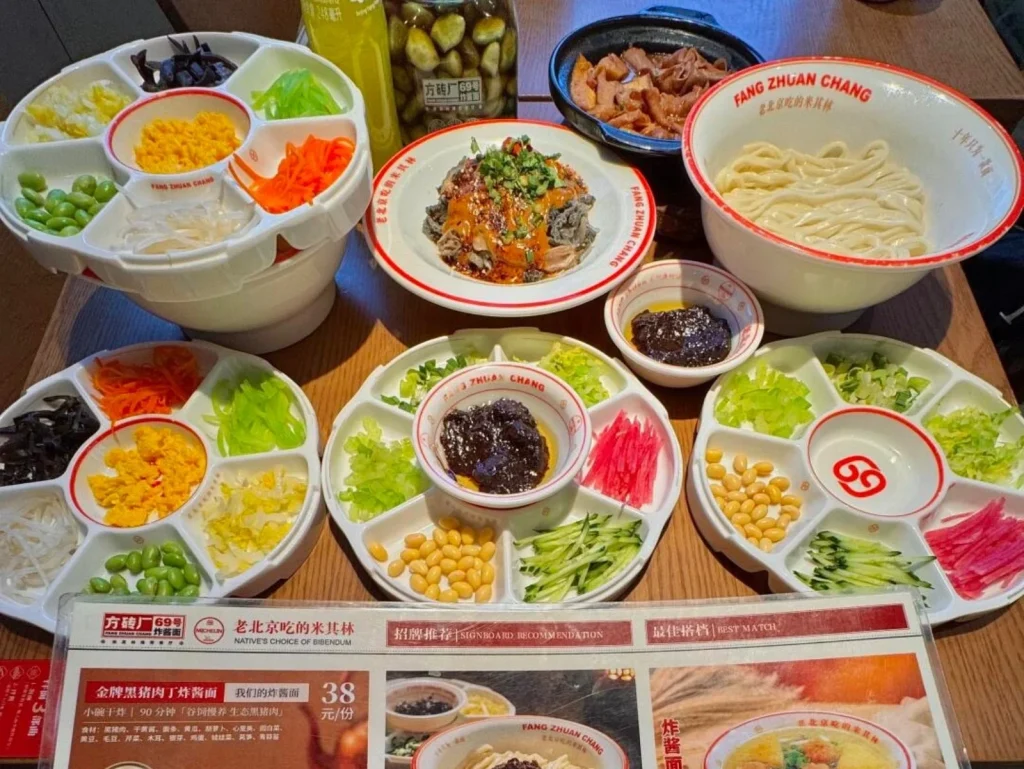
Zhajiangmian (fried sauce noodles) is pure home‑style nostalgia. Handmade noodles grab every bit of rich sauce made from yellow and sweet bean pastes, mixed slowly with diced pork. Topped with crisp cucumber, bean sprouts, radish ribbons, and peas, each colorful strand carries both savory depth and a hint of sweetness.
Where to Eat
- Haiwanju (Ganjia Koutian): Famous for serving in deep “sea bowls” with wide, chewy noodles. The sauce, simmered to perfection, bursts through each mouthful. A real taste of Beijing dialect and decor.
Hutong’s Bold Breakfast
1. Douzhi & Jiaoquan: Fermented Bean Drink + Crispy Rings
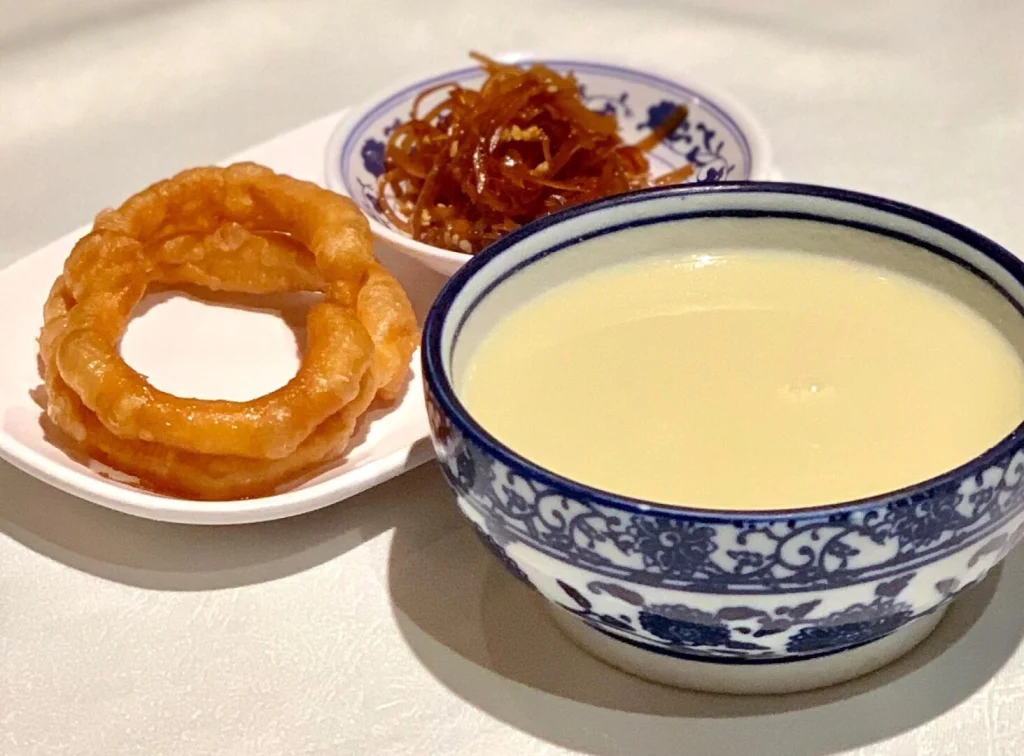
Douzhi is a fermented mung‐bean drink with a tangy kick that can surprise first‑timers. Sip it with jiaoquan—deep‑fried rings as crisp as cookies—and a side of spicy pickles. The contrast of sour, spicy, and crunchy will wake your senses and fuel your day.
- Yin San Douzhi (Niujie): Known for just‑right douzhi thickness, fresh jiaoquan, and a secret pickle blend.
- Baoji Douzhi (Andingmen): Their douzhi boasts deep, earthy fermentation. Try the “bean tofu” stir‑fried with chive blossoms—an authentic heavy‑flavor match.
2. Lu‑Zhu Huo‑Shao: Beijing’s Offal Stew
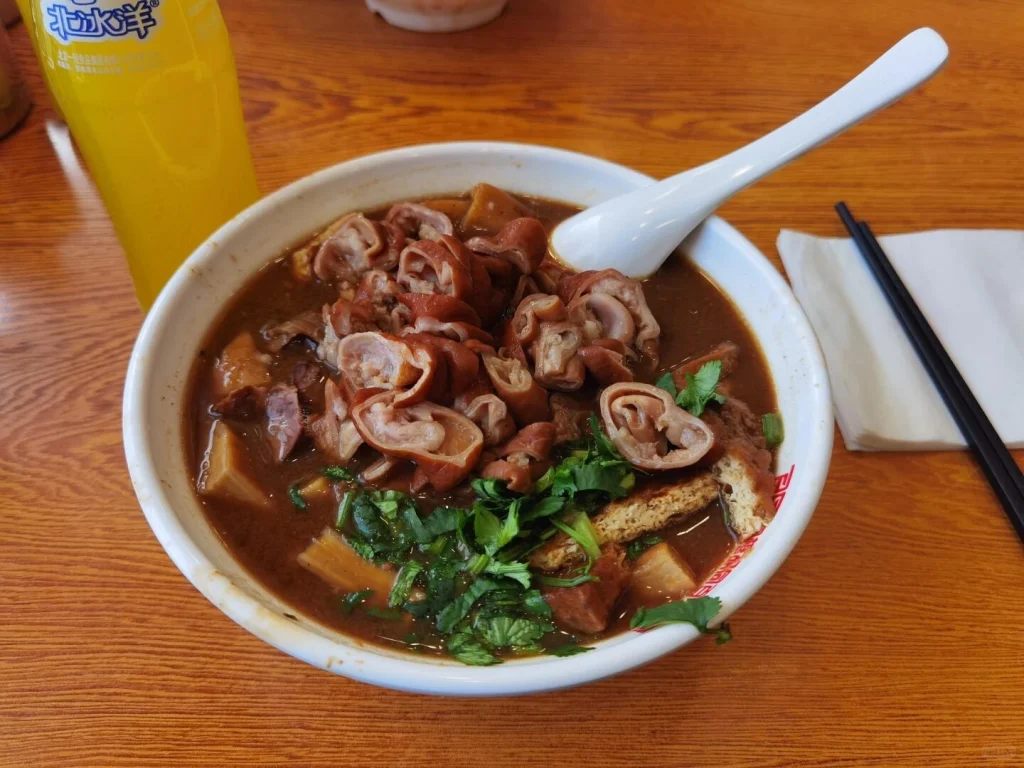
Think of this as a hearty hot pot of pork offal—intestines, lungs, tofu puffs, and flatbread simmered in a rich, red‑oil broth. The flatbread soaks up every drop of flavor, while garlic sauce adds a bright finish. It’s comfort in a bowl.
- Menkuang Hutong Lu‑Zhu (Qianmen): Uses a decades‑old recipe; intestines are tender, broth deep and satisfying.
- Xiao Chang Chen (Nan Heng Street): Famous for its balanced broth—you can even add pork heart or belly for extra depth.
3. Chao‑Gan: Sticky, Savory Liver & Gut Soup
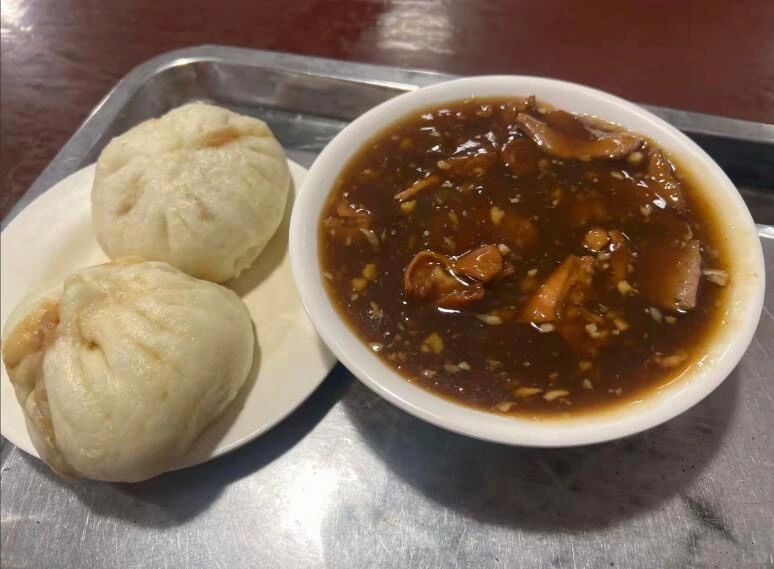
Chao‑gan is a thick, gravy‑like stew of diced pork liver and intestines, bound with starch. No spoon or chopsticks needed—just lift the bowl and sip. The savory, slightly sweet sauce coats your throat for a warming start.
- Tianxingju (Qianmen): The gold standard, with melt‑in‑your‑mouth liver, soft intestines, and a bowl of scallion pork buns on the side.
4. Bao‑Du: Quick‑Fire Tripe
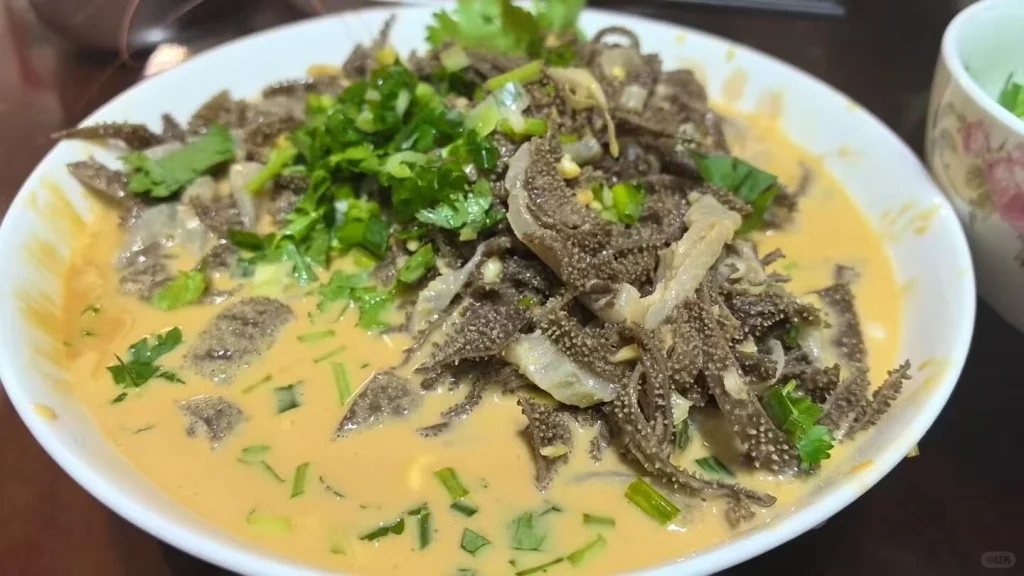
Bao‑du tests a chef’s timing. Thin slices of beef or lamb tripe flash‑cook in boiling water for just seconds, then meet a sesame‑chive‑and‑fermented‑bean dipping sauce. The result is tender‑crisp, nutty, and utterly addictive.
- Bao‑Du Feng (Qianmen): Their “du‑ren” and “san‑dan” cuts are legendary, served with a cilantro‑brightened sauce.
- Jinshenglong (Dewai): Specializes in lamb tripe, offering every stomach section—pick your favorite for a personalized crunch.
Hutong Desserts
Glutinous Rice Delights: Soft, Chewy, and Irresistible
Ai Wo Wo
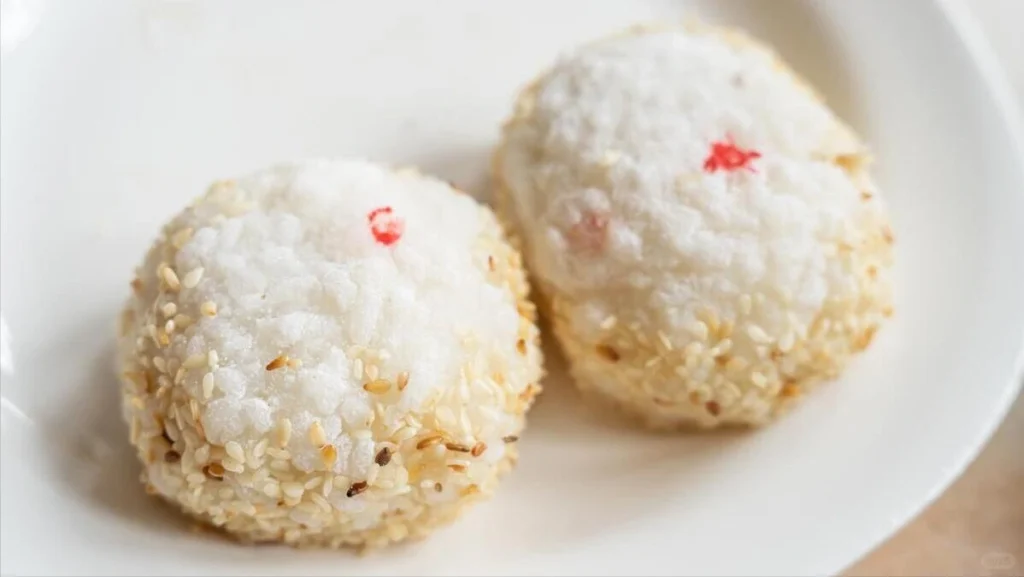
Snow‑white rice balls steamed until pillowy soft, hiding a gooey core of sesame, hawthorn bits, and red bean paste. One bite reveals a perfect dance of tangy, nutty, and gently sweet flavors—never sticky or heavy.
Donkey‑Roll (Lv Dagun)
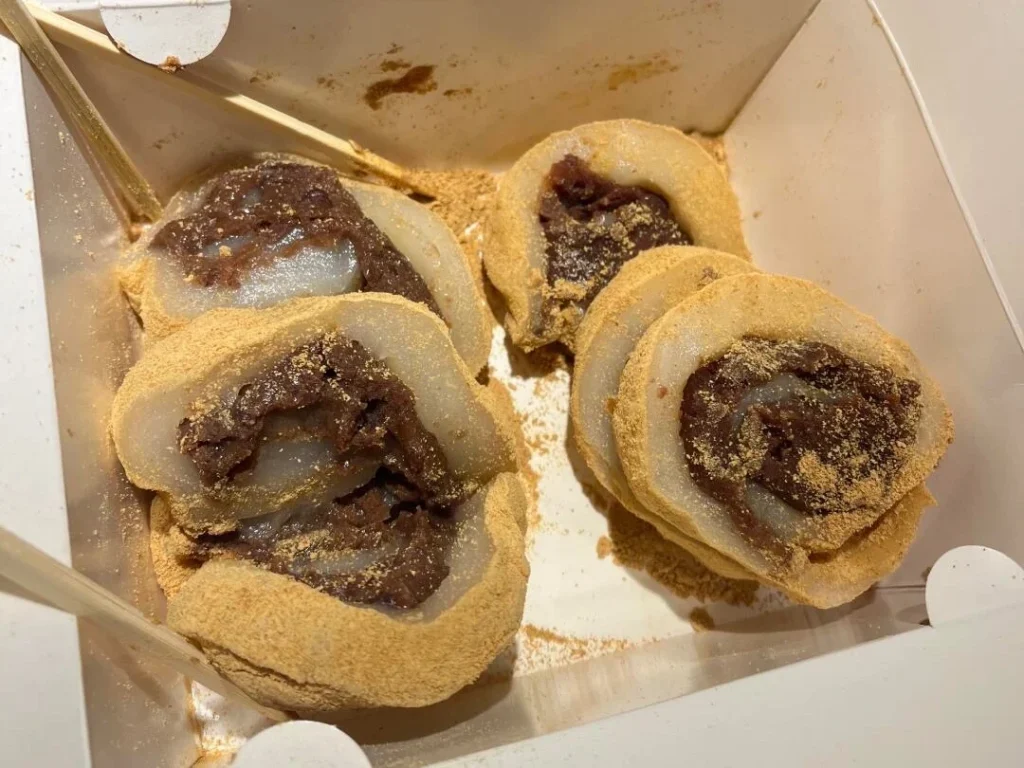
Sticky yellow‑rice dough enfolds smooth red bean paste, then rolls in nutty soybean powder. The “golden dust” coating adds a subtle crunch, layering sweet bean richness over chewy rice in every mouthful.
Bean‑Paste Flatbread (“Toad Spits Honey”)
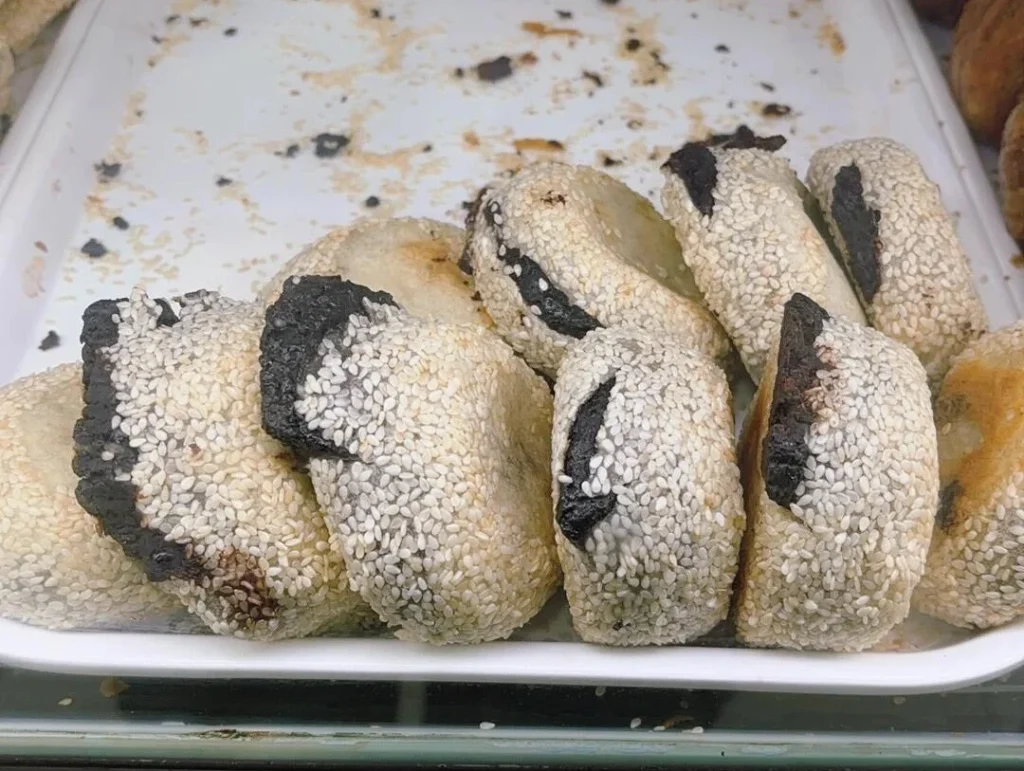
Crisp, flaky rounds cradle molten red bean filling. As they bake, the paste swells and oozes from tiny slits—just like a toad “spitting honey.” Best enjoyed piping‑hot for that first sticky, delicious eruption.
Fried Delicacies: Crispy Outside, Soft Inside
Cream‑Filled Fritters
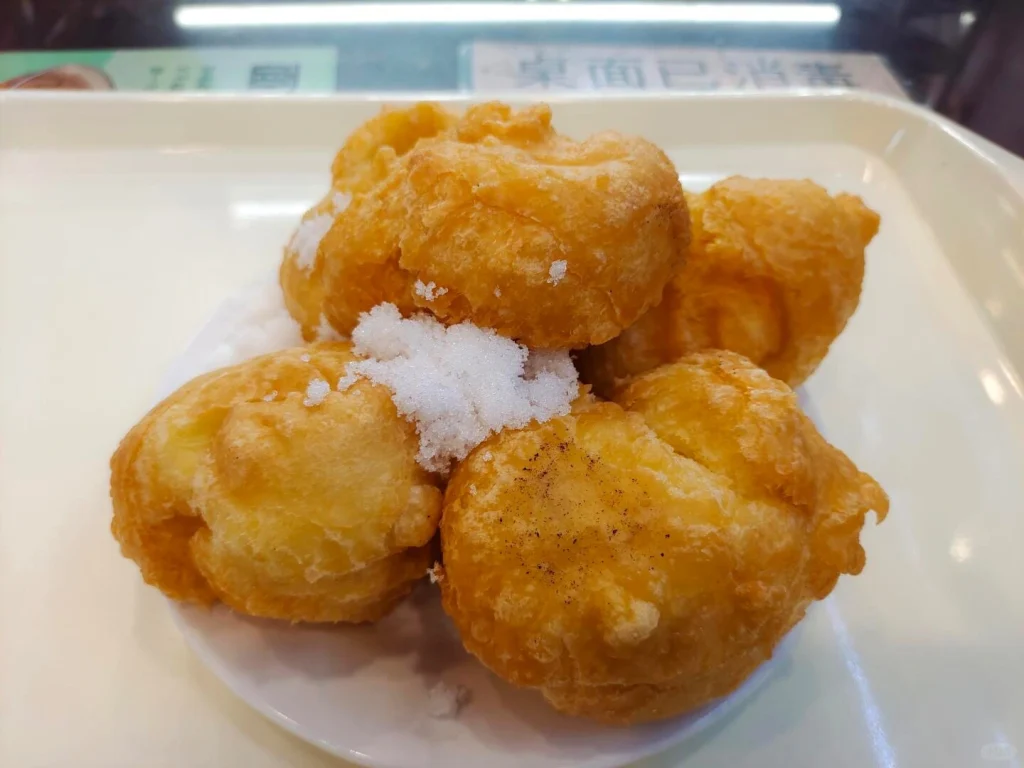
Golden and puffy, these fried cakes crackle with a tender, milk‑scented dough inside. A dusting of sugar adds a light sweetness—think a Chinese‑style doughnut that melts in your mouth.
Sugar “Ears” (Tang Erduo)
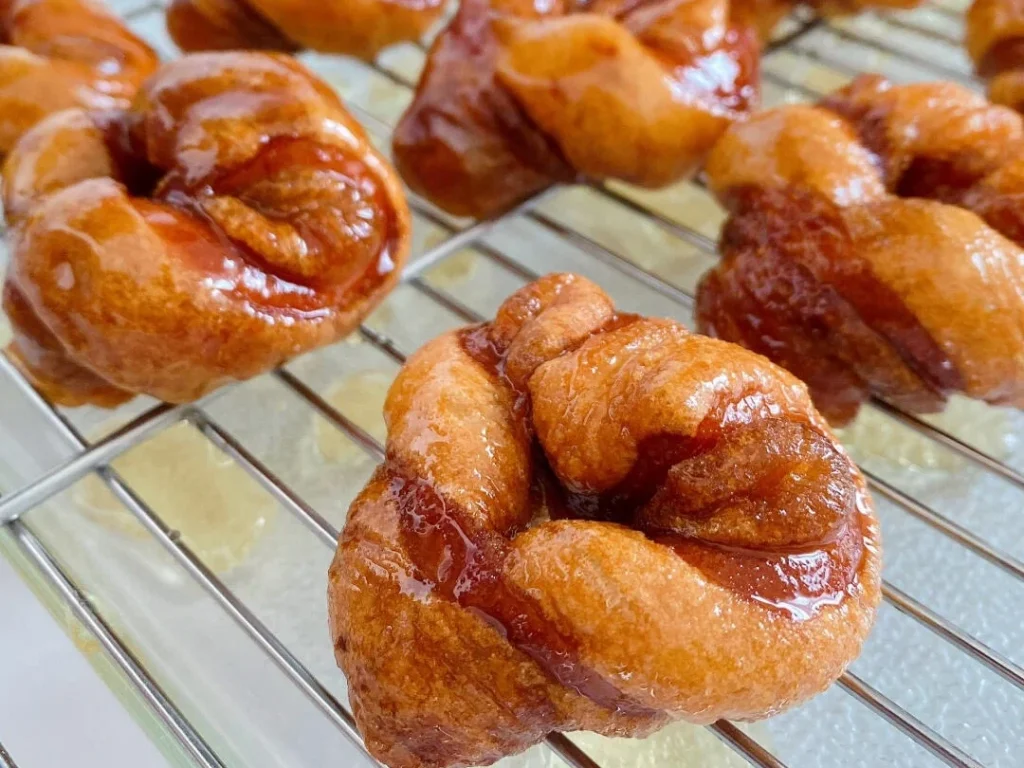
Shaped like oversized mahua twists, these honey‑glazed fritters offer a satisfying snap and chew. Their sticky sugar crust clings to the lips—perfect with a morning sip of warm soy or tea.
Fried “Rice Sausage” (Zha Guanchang)
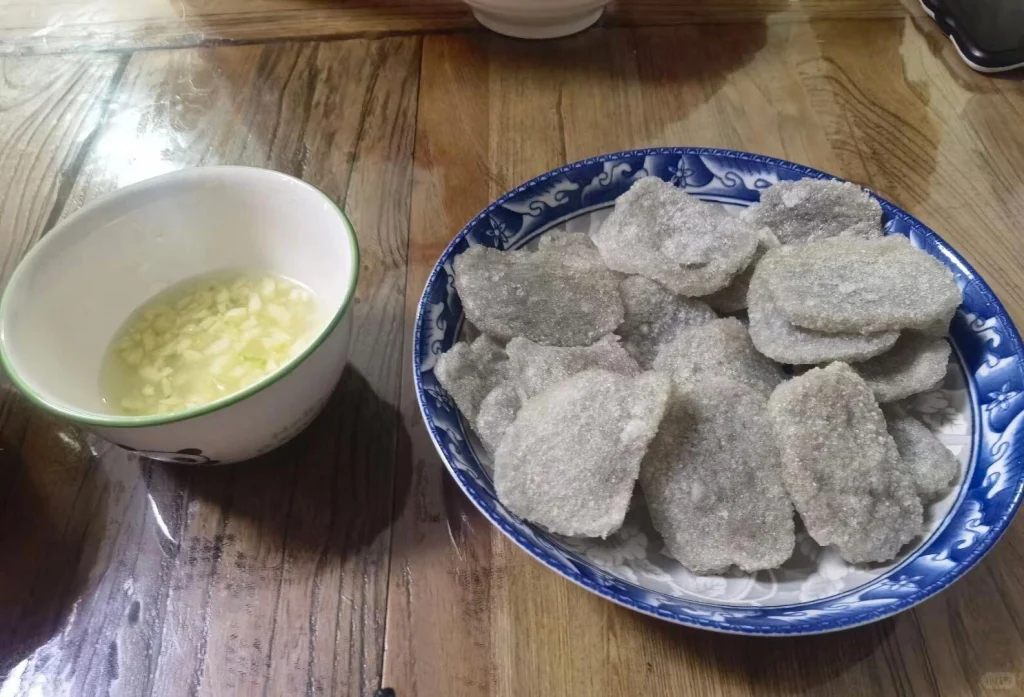
Cubes of starchy, vegetarian “sausage” fry to a golden crisp, retaining a soft, pillowy core. A drizzle of garlicky water cuts through the richness, creating a humble yet addictive snack.
Everyday Classics: Sweet Warmers
Sugar‑Fire Cake (Tang Huoshao)
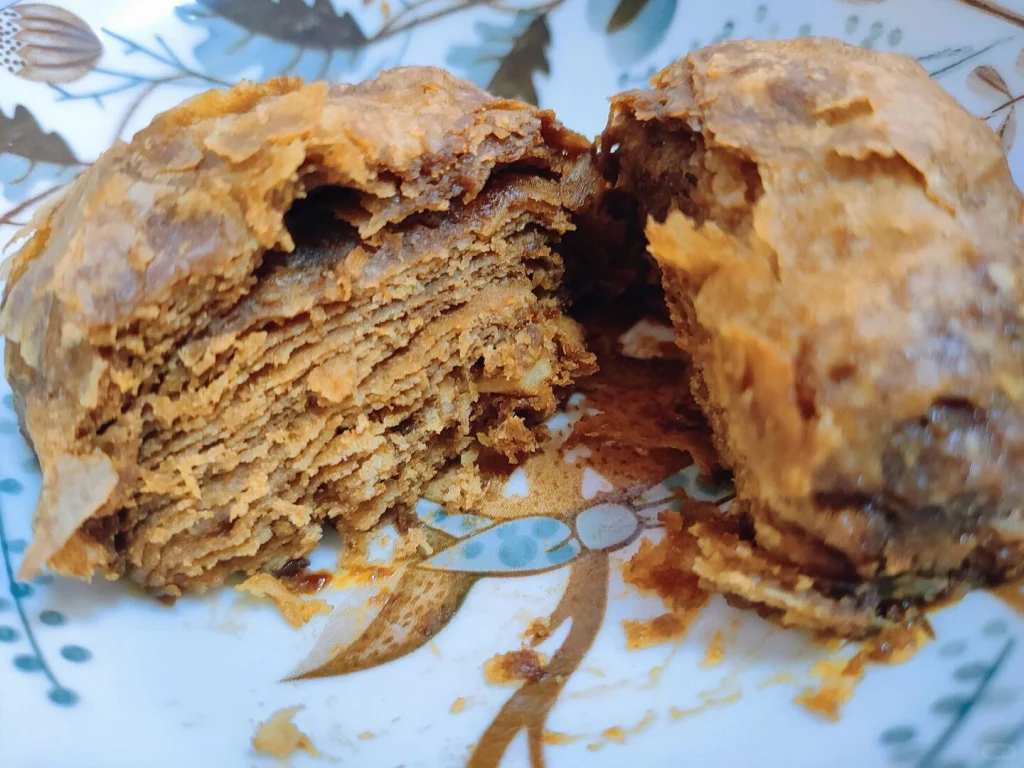
A sturdy flatbread swirled with sesame paste and brown sugar, baked until the crust crackles. Chewy, nutty, and deeply sweet—this is the go‑to gift from any hutong bakery.
Millet Porridge (Mian Cha)
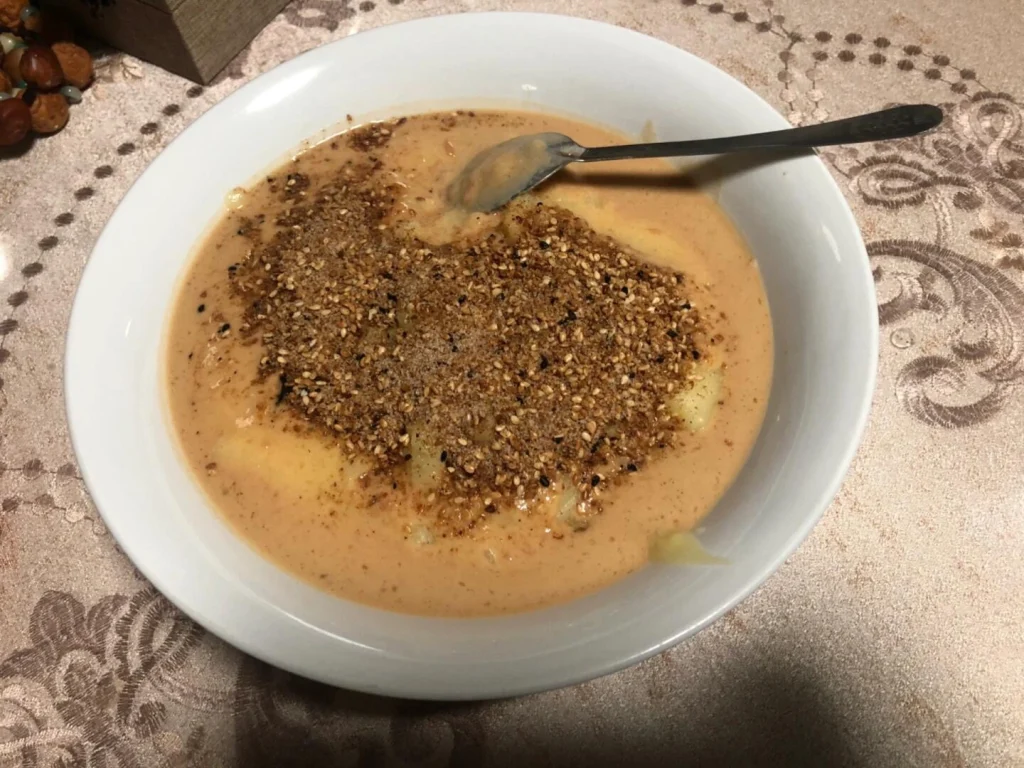
A thick, comforting gruel of millet or sorghum flour, topped with a spoonful of fragrant sesame paste and salt. Drink it straight from the bowl—its salty‑sweet warmth is Beijing’s winter lifeline.
Beijing Food Map
1. Core Scenic Areas (Tiananmen|Forbidden City|Wangfujing)
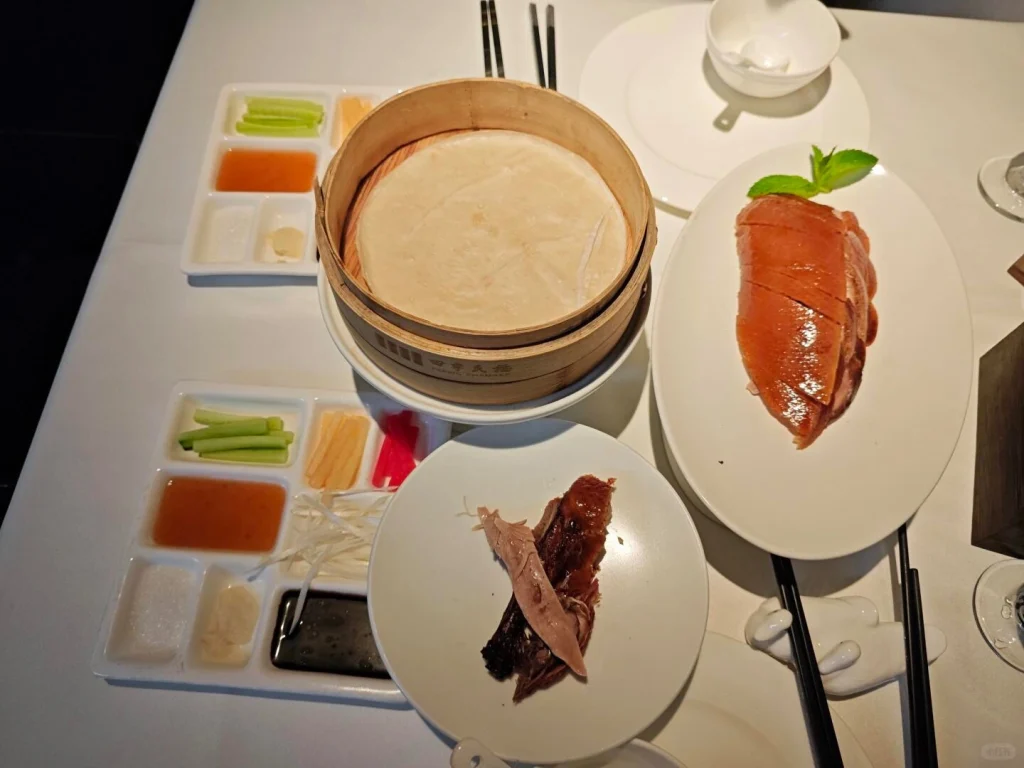
After exploring the Palace Museum and Tiananmen Square, recharge with iconic Beijing eats just steps away. You’ll fill up quickly without leaving the historic heart of the city.
Must‑Try Bites
- Siji Minfu Roast Duck (Forbidden City): Crisp skin, tender meat—and free duck‑bone soup—served with palace‑tower views.
- Duyichu Shaomai (Qianmen): Paper‑thin pork and crab shumai bursting with juice. Pair with a bowl of millet porridge.
- Tianxingju Fried Liver (Qianmen): Creamy chao‑gan and green onion buns make the perfect fuel for wandering Wangfujing.
Avoid These
- Overhyped Wangfujing “grilled squid” stalls—same menu nationwide at 30% higher prices.
- Packaged “Beijing candied fruits”—for genuine flavor, buy from a long‑standing deli or supermarket.
2. Hutong Food Hubs (Niujie|Huguosi|Nanluoguxiang)
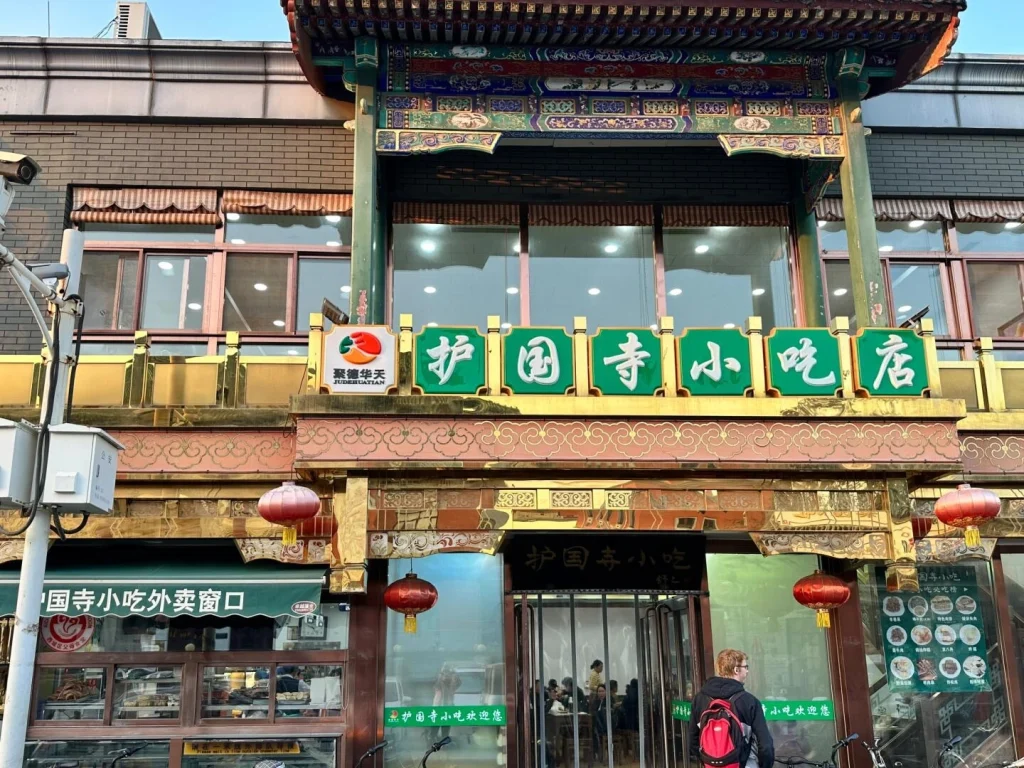
Venture down narrow alleys to discover the city’s best local secrets—from halal hot pot to sweet snacks.
Niujie (Halal Heaven)
- Jubaoyuan Hot Pot: Hand‑cut mutton, secret sesame sauce—arrive before 10 AM or queue for two hours!
- Niujie Halal Market Snacks: Grab ai wo wo, donkey‑rolls, and fresh zongzi in one stop.
Huguosi (Snack Central)
- Huguosi Snack Plaza: Sample a “snack platter” of lao dagun, ai wo wo, and sugar‑fire cakes.
- Qingfeng Steamed Buns: Fluffy pork buns paired with chao‑gan or millet porridge.
Nanluoguxiang / Drum Tower (Old Meets New)
- Wenyu Cheese: Creamy “solid yogurt” and silky double‑skin milk.
- Yaoji Fried Liver: Thick chao‑gan and pork buns, plus a side of lu‑zhu stew.
3. Time‑Honored Classics (Chongwenmen|Xidan)
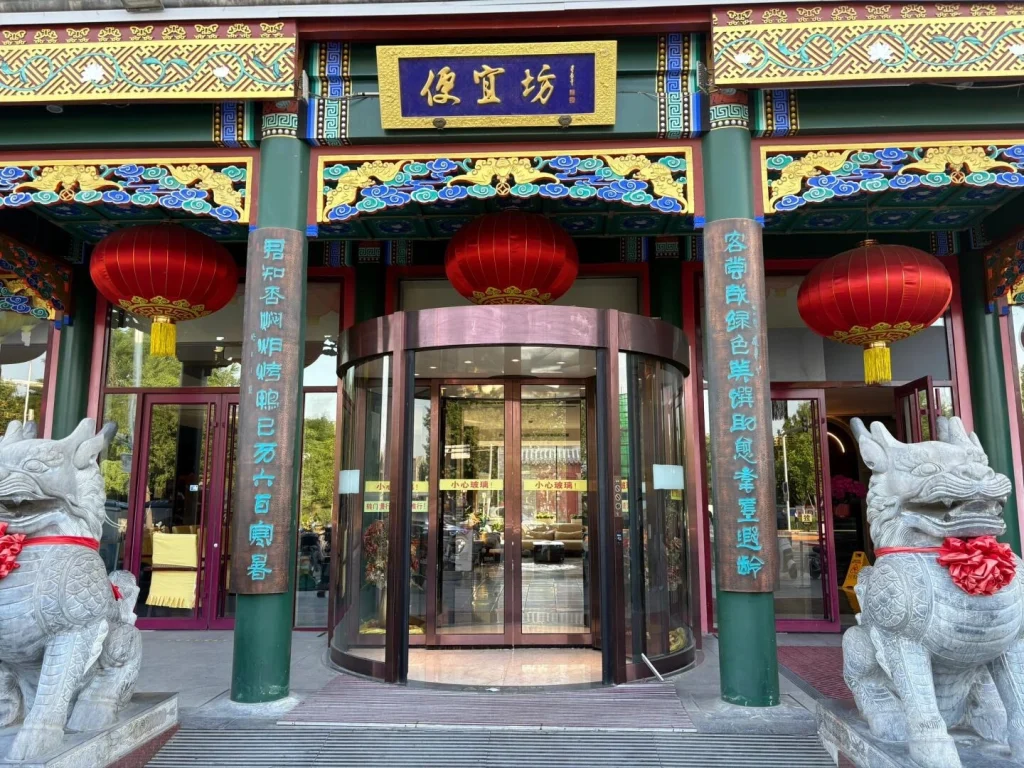
Step into living history at Beijing’s oldest food streets—each bite is a journey back in time.
Chongwenmen
- Bianyifang Roast Duck (Hademen): The original closed‑oven roast duck—lean, tender, and family‑friendly.
- Jinfang Snacks: Century‑old ai wo wo and donkey‑rolls, perfect for gifting.
Xidan
- Kaorouwan Grill (Xidan): Charred beef wraps with cilantro and onion in sesame flatbread.
- Guixiangcun Pastries: Soft sachima and traditional five‑nut mooncakes make ideal souvenirs.