 admin
admin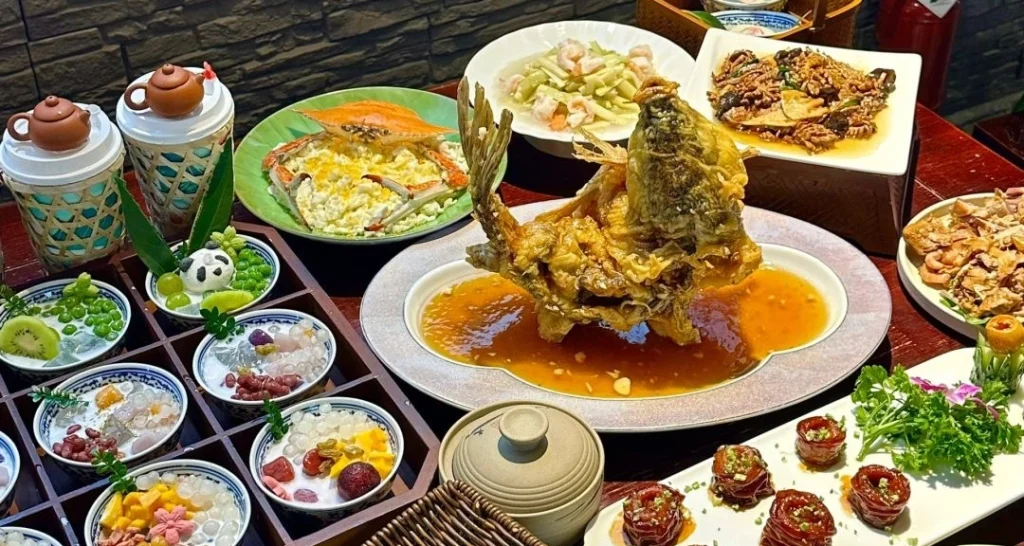
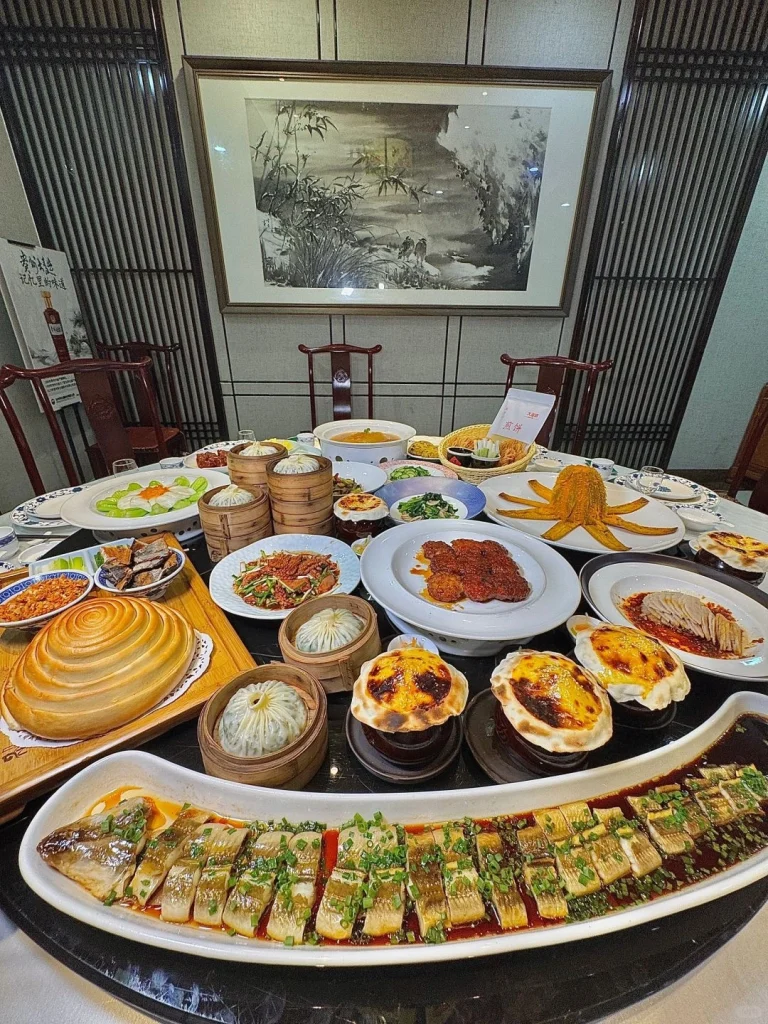
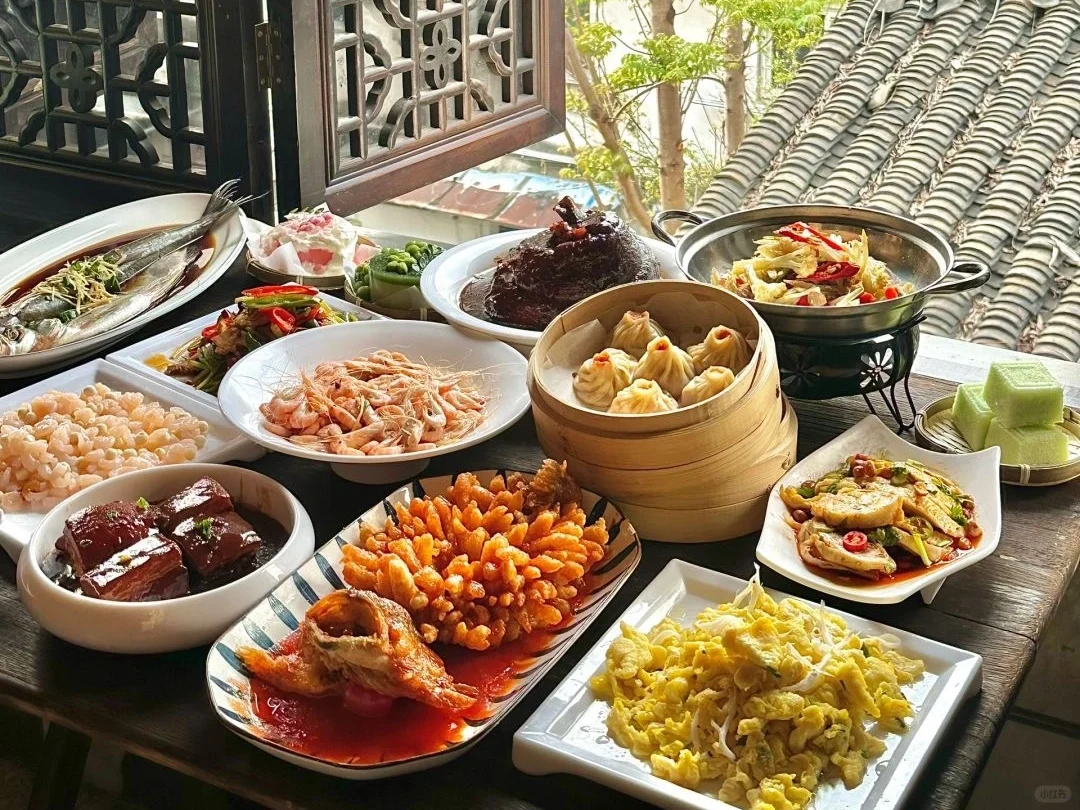
Discover the rich flavors of Shandong cuisine with iconic dishes like Braised Sea Cucumber,
Sweet and Sour Carp, highlighting authentic culinary traditions of China.
About Shandong Cuisine
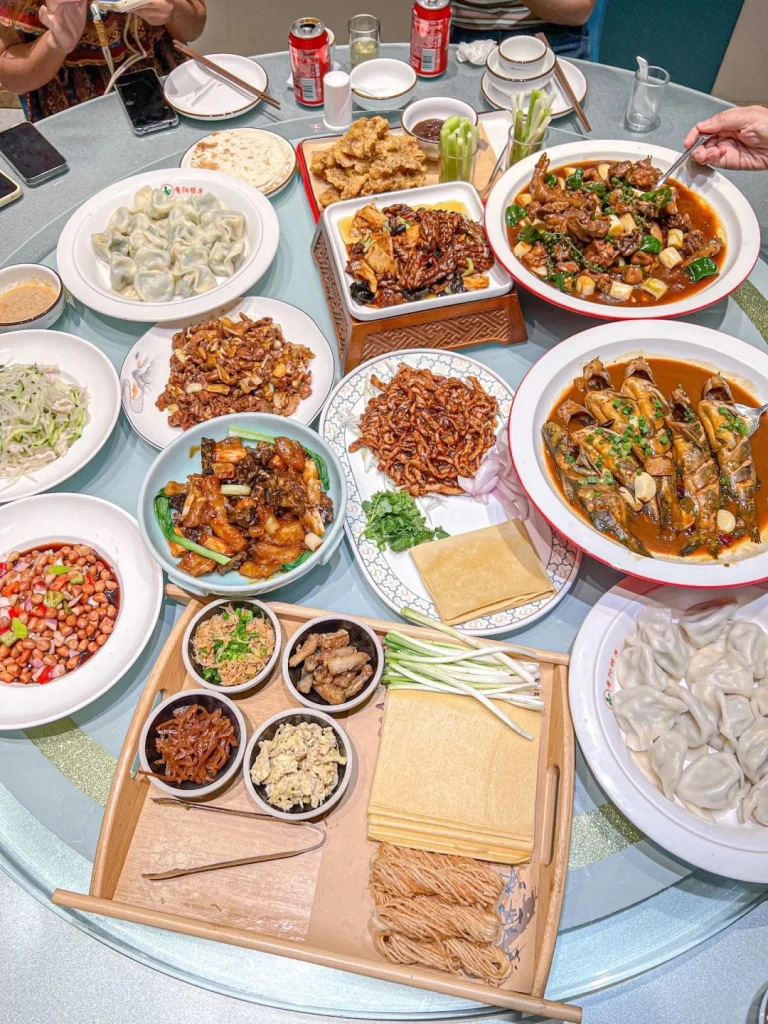
Shandong cuisine, known as Lu cuisine, is one of China’s Eight Great Culinary Traditions and the foundation of northern Chinese cooking.
It emphasizes refined techniques and harmonious flavors, with a focus on health and balance.
Renowned for its diverse methods, classic dishes include sweet and sour carp, braised sea cucumber, and nine-turn large intestines.
Shandong Culinary Flavor
Shandong cuisine emphasizes fresh, high-quality ingredients with a focus on enhancing natural flavors through the use of salt and broth.
Signature dishes often incorporate scallions, ginger, and garlic to elevate taste.
Known for its mastery in explosive cooking techniques like quick stir-frying, and producing rich soups, Shandong cuisine is both flavorful and refined.
Categories of Shandong Cuisine
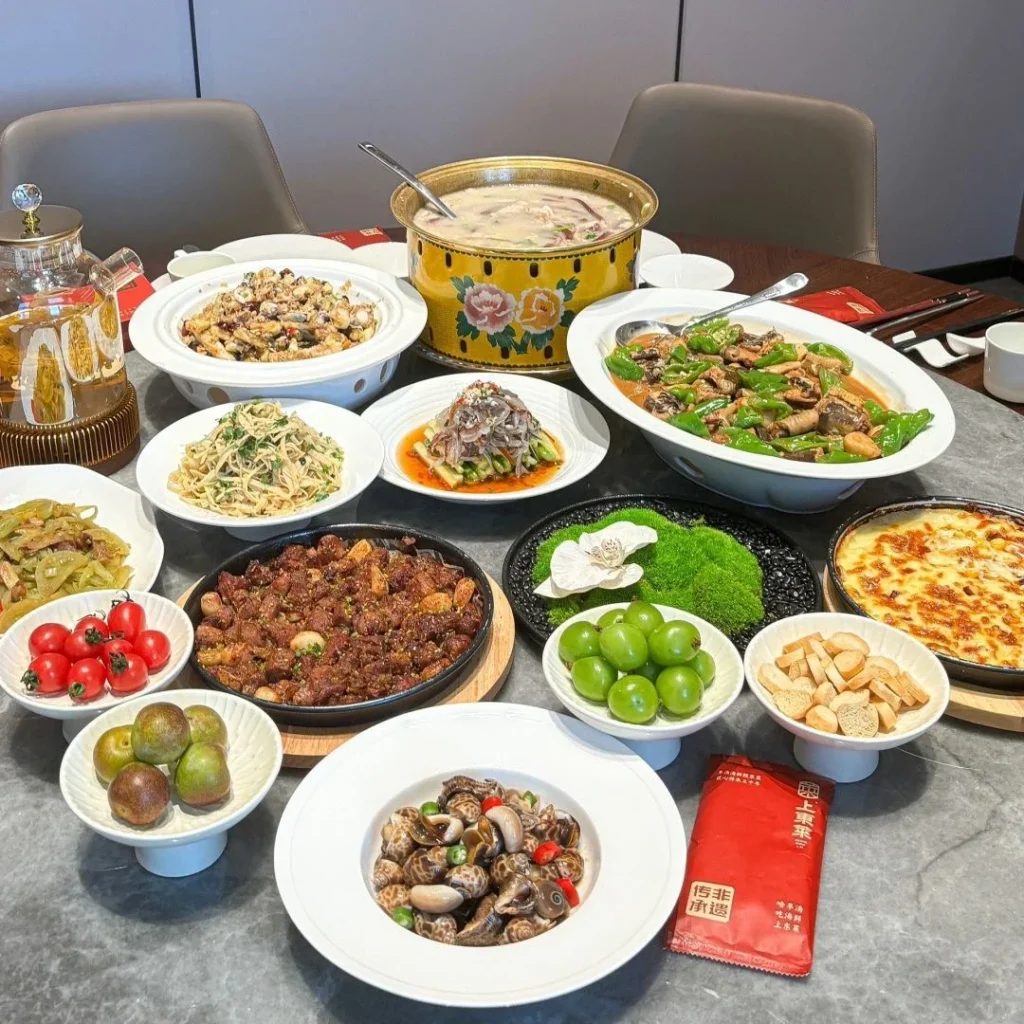
Jinan Cuisine
Known for its flavorful broths and diverse cooking techniques, featuring clear and creamy soups.
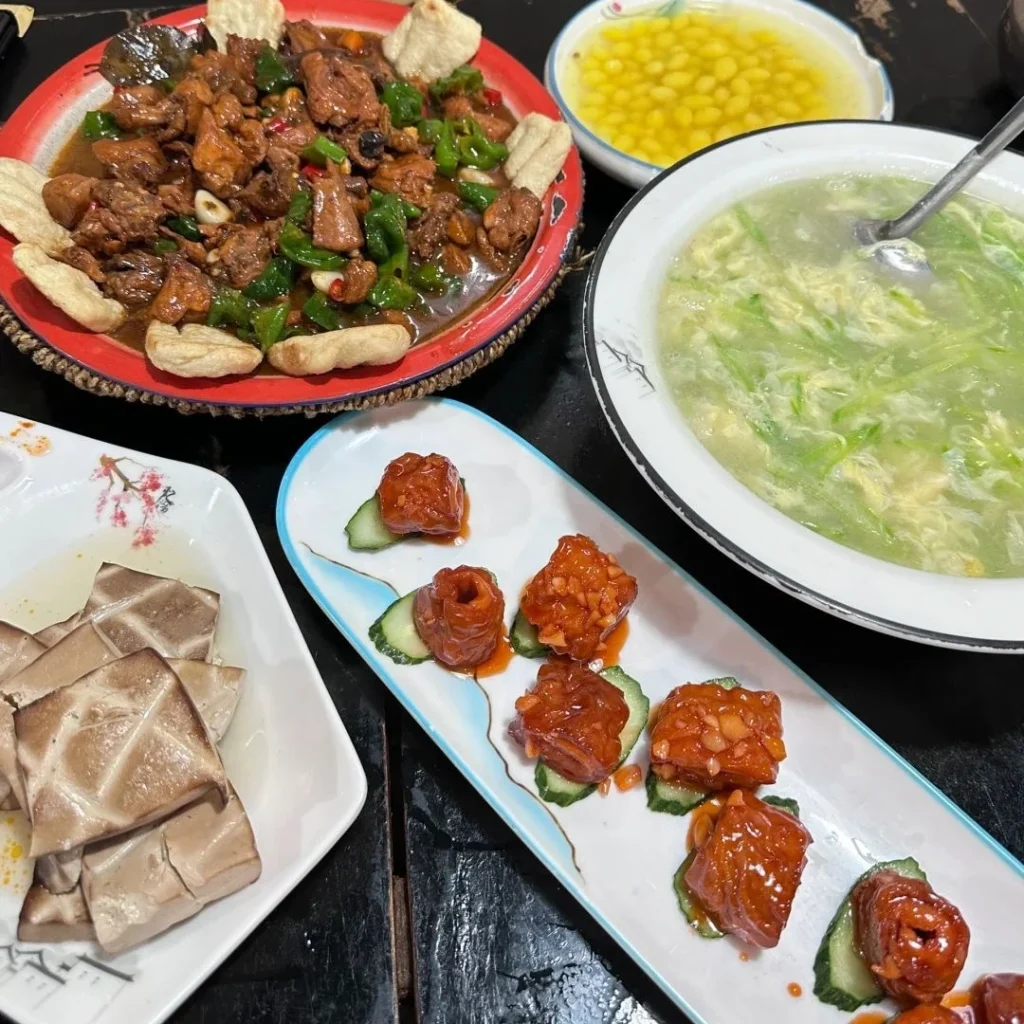
Jiaodong Cuisine
Focused on fresh seafood with light, crisp flavors, originating from coastal traditions.
Confucius Mansion Cuisine
Features elegant dishes with rich historical significance and refined, intricate flavors.
Categories of Shandong Cuisine
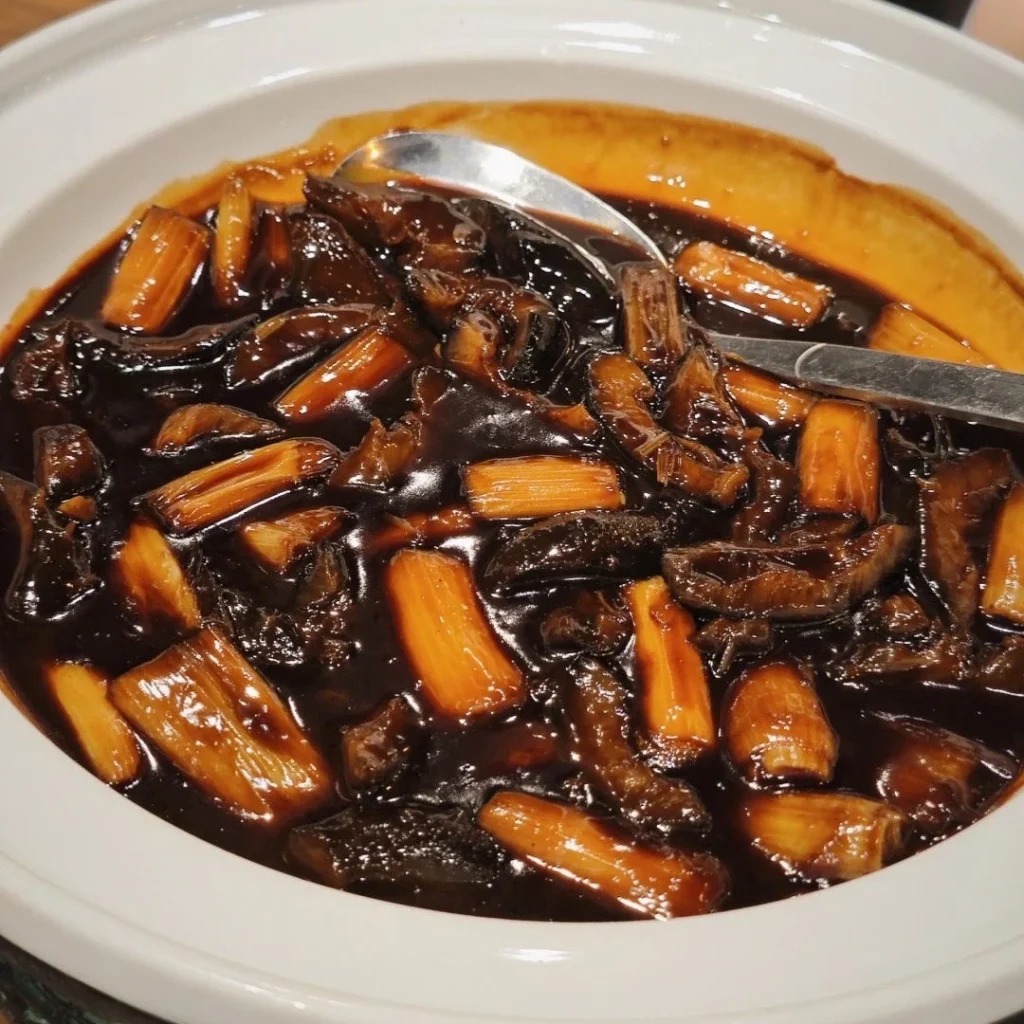
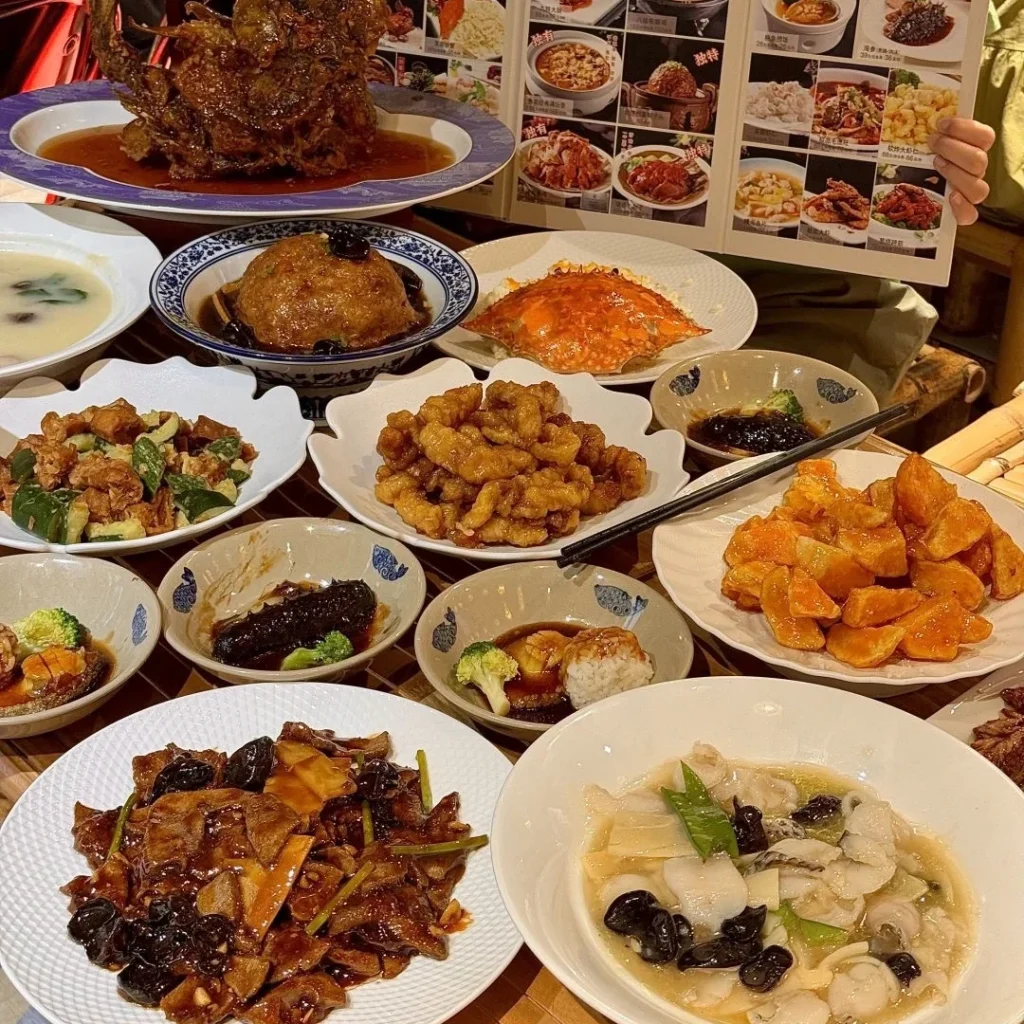
Braised Sea Cucumber with Scallions
Soft, tender sea cucumber braised in a flavorful scallion sauce, offering a delightful balance of textures and flavors.
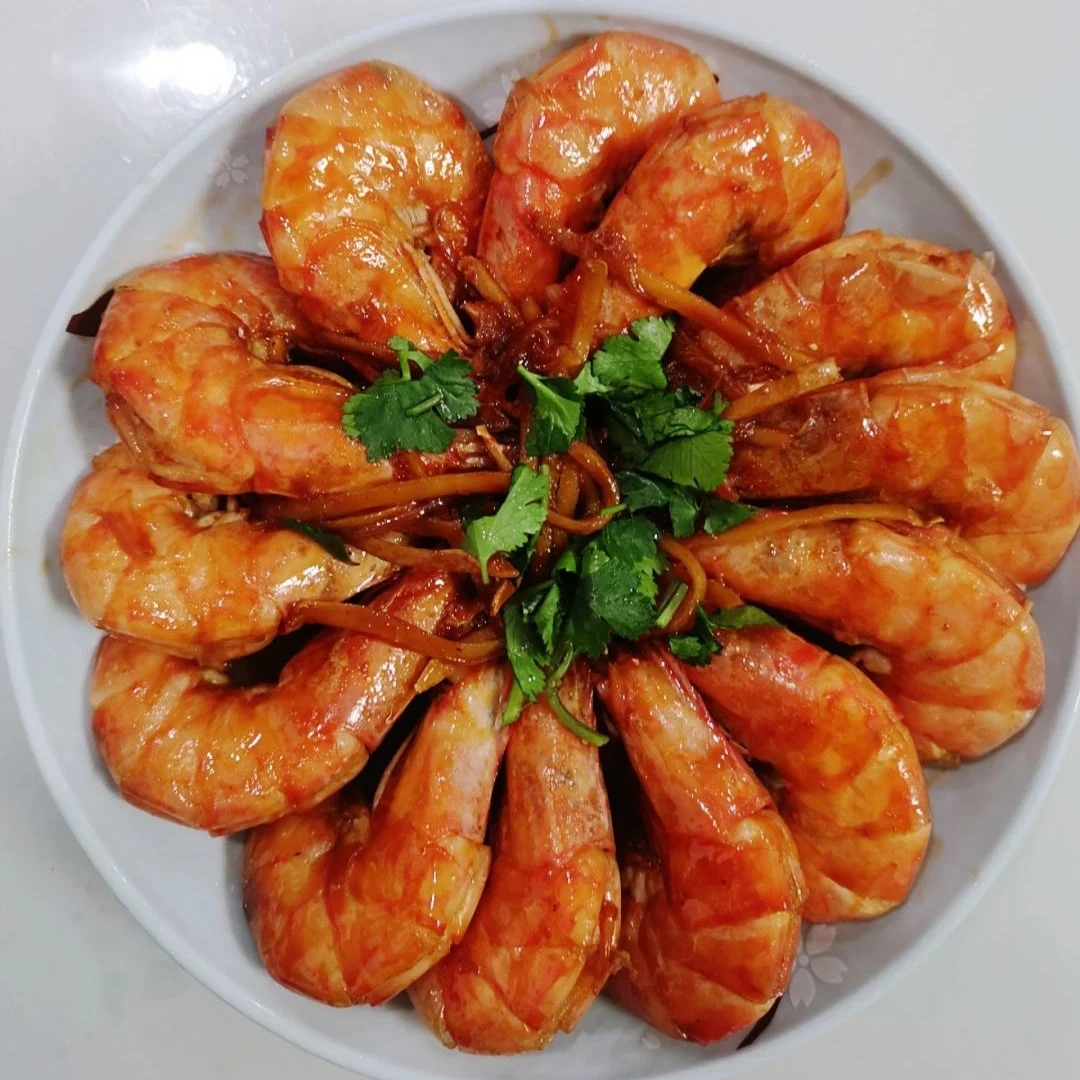
Braised Prawns
Succulent prawns braised to perfection in a rich, savory sauce that enhances the natural sweetness of the shrimp.
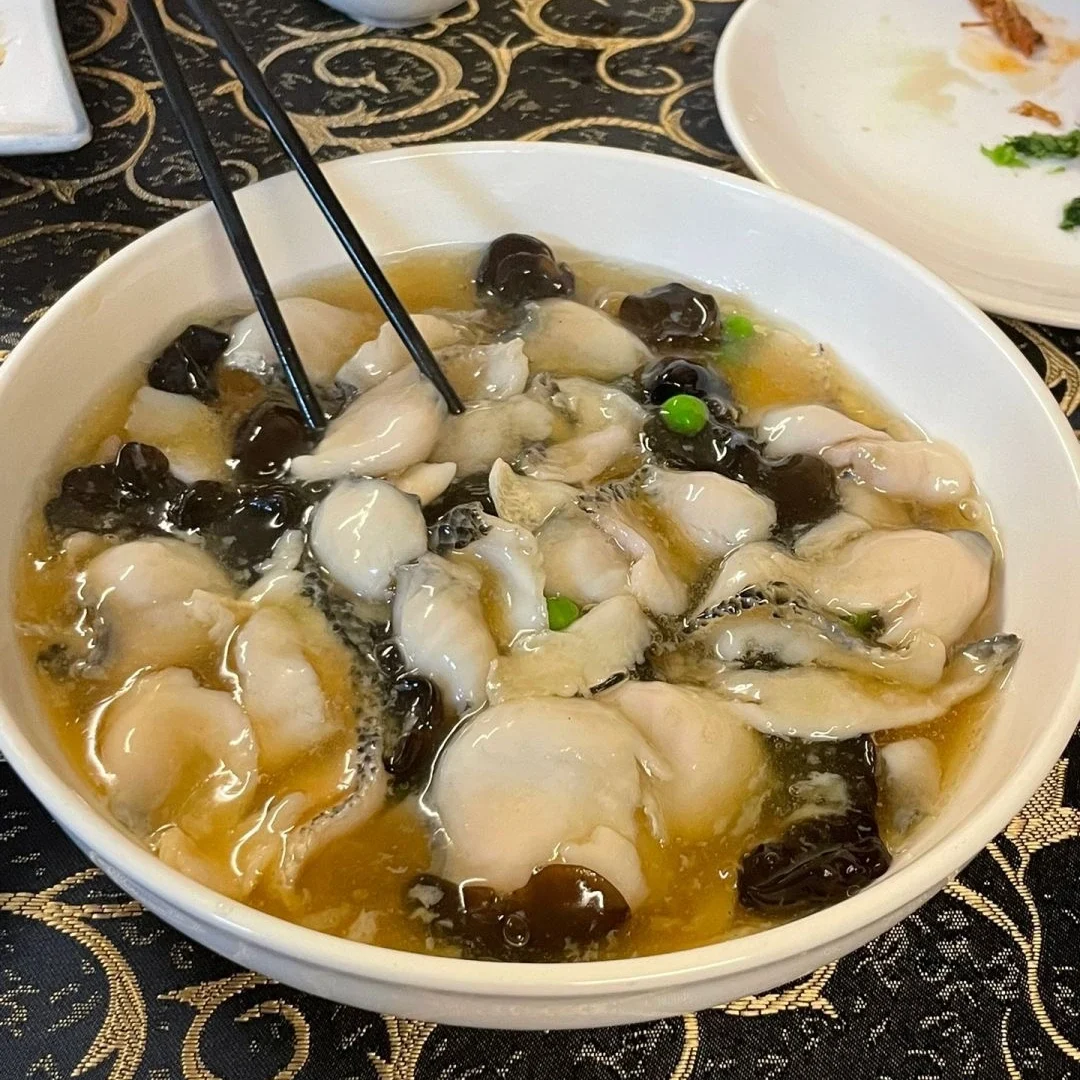
Marinated Fish Slices
Delicately marinated fish slices with a unique, fragrant aroma and tender texture.
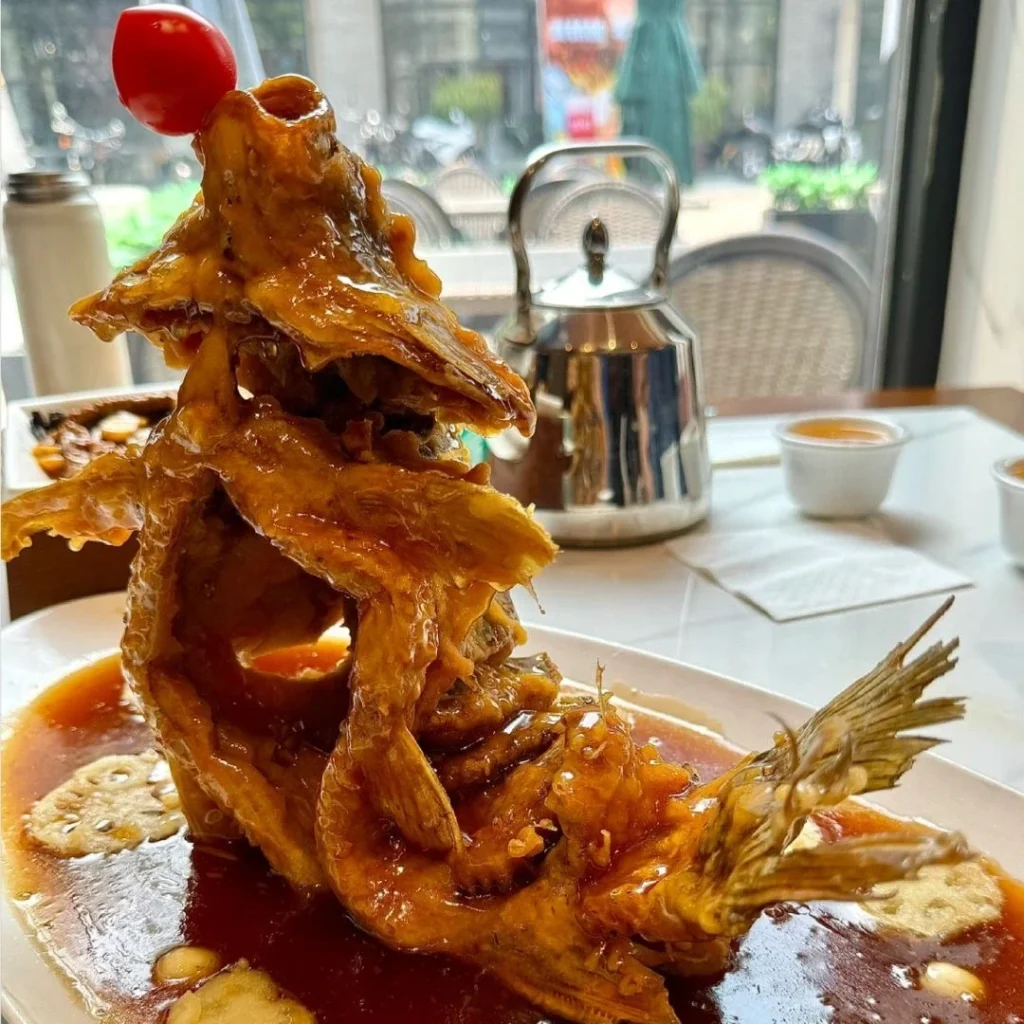
Sweet and Sour Carp
A beautifully presented whole carp, crispy on the outside and smothered in a tangy
sweet and sour sauce.
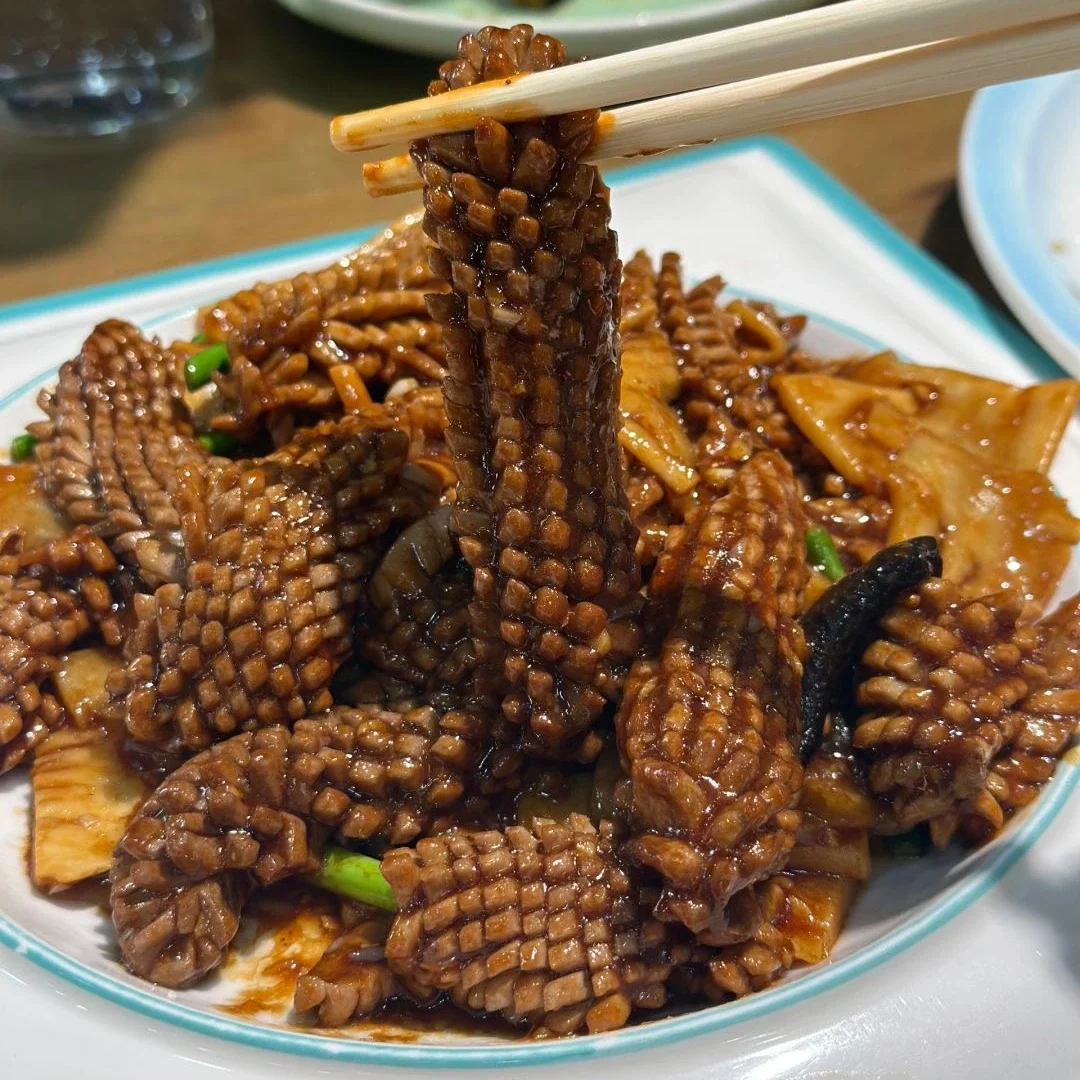
Stir-fried Pork Kidney
A savory stir-fried dish made with pork kidneys, known for its tender texture and robust flavors.
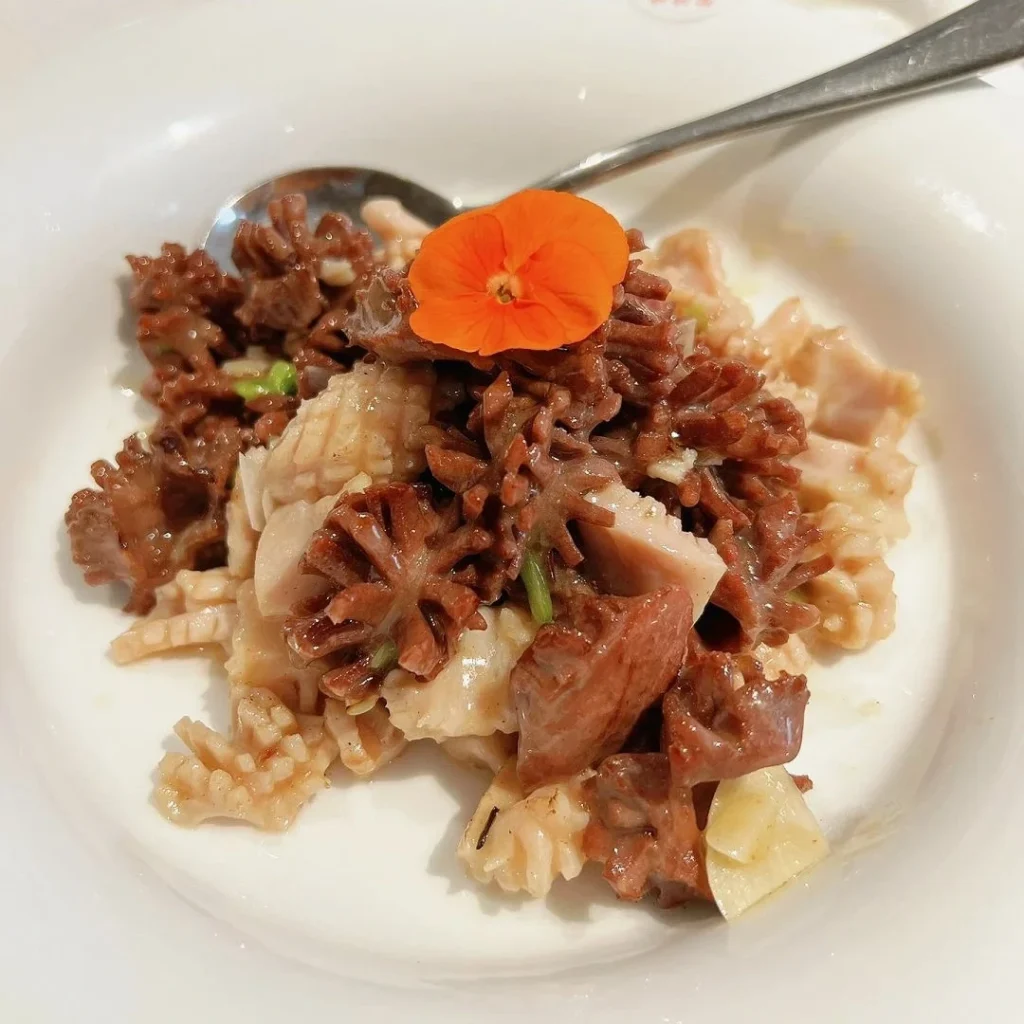
Fried Double Crisp
A classic crispy dish, carefully fried to perfection with a delightful crunch in every bite.
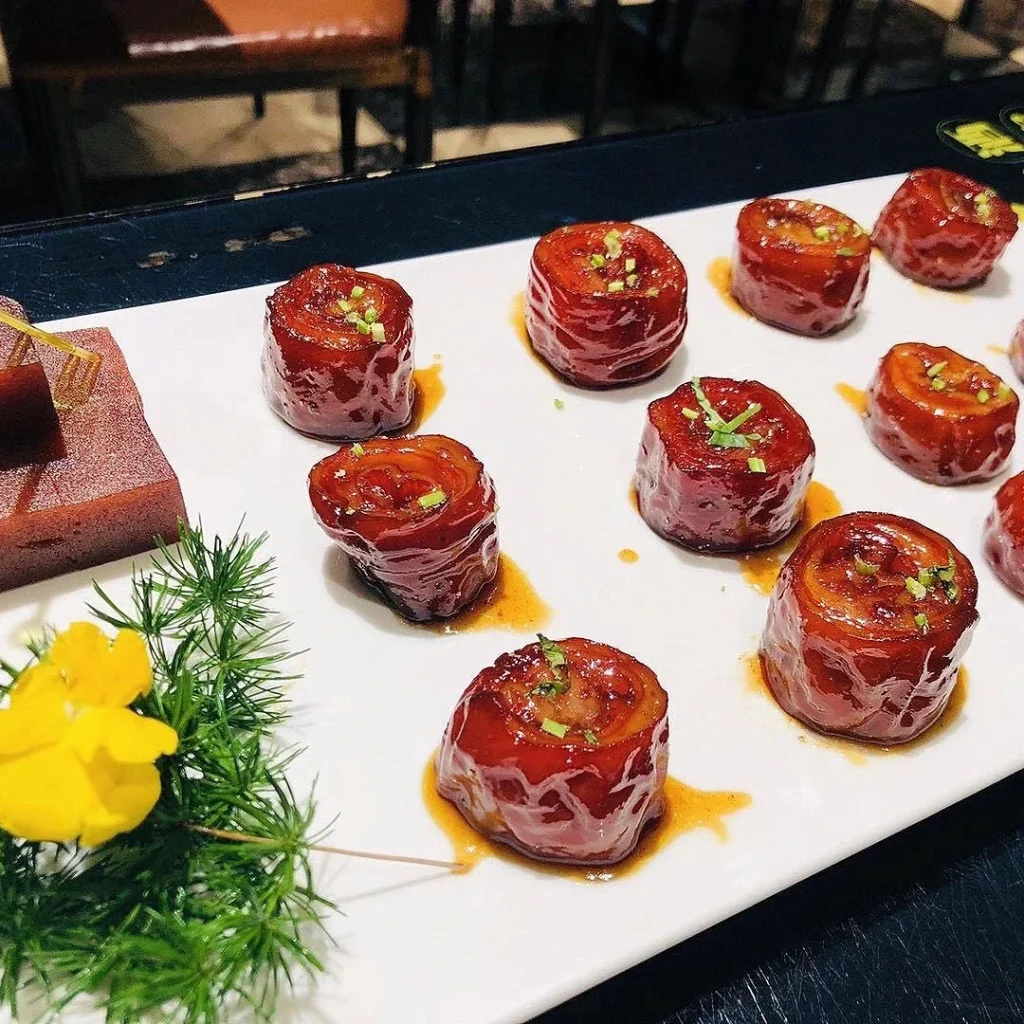
Braised Intestines in Brown Sauce
A rich, flavorful dish made with tender pork intestines, featuring a balance of sweet, sour, and spicy flavors.
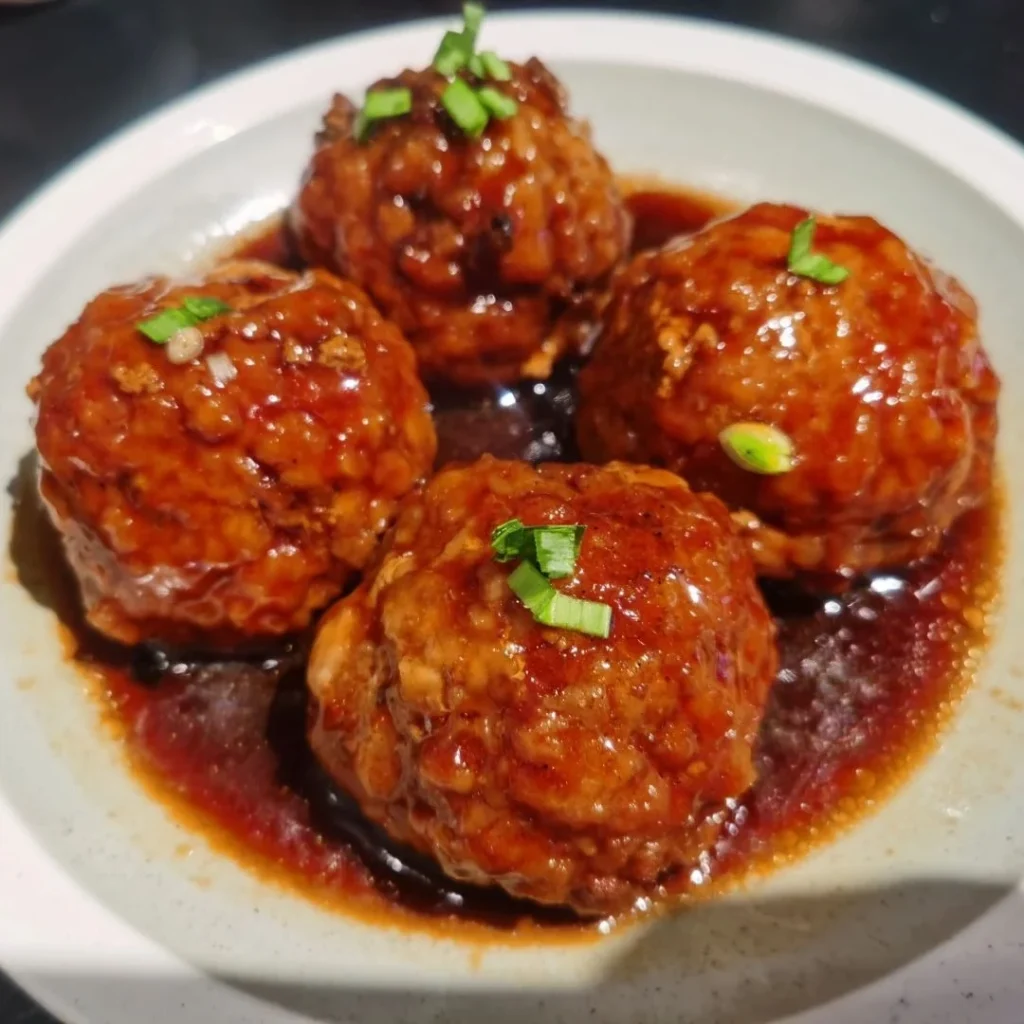
Braised Pork Balls in Gravy
Tender, flavorful pork balls in a savory gravy, representing good fortune and happiness.
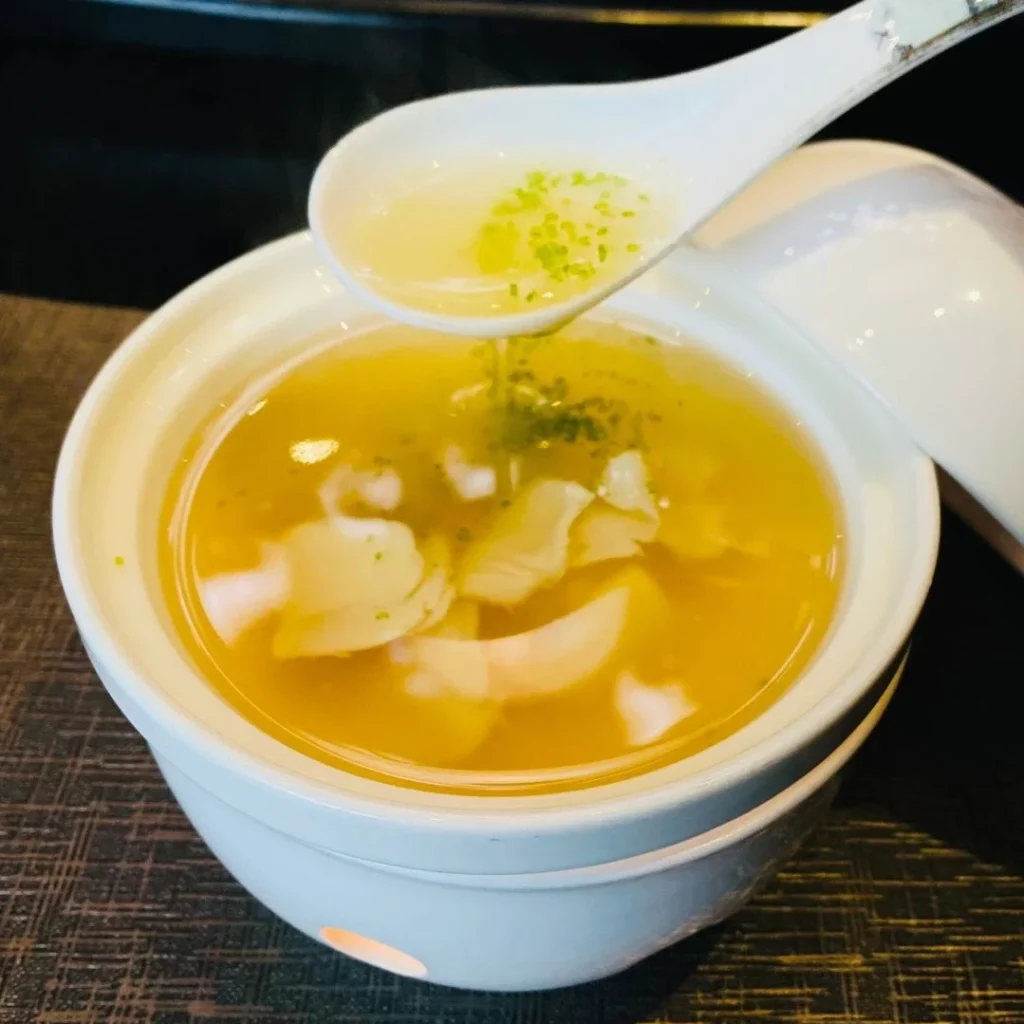
Black Fish Egg Soup
A light and flavorful soup with delicate black fish eggs, offering a smooth texture and nourishing taste.
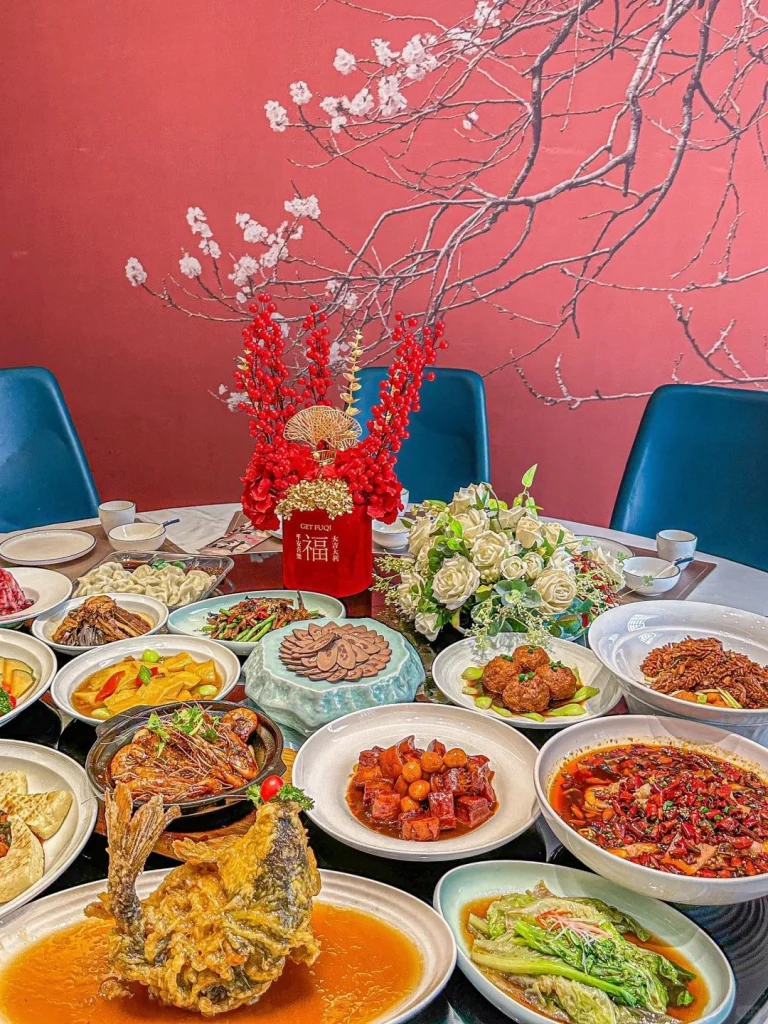
Shandong Cuisine History
Spring and Autumn Period (770–476 BC): Qi and Lu states’ cuisine emerged, focusing on meats and seafood. Guan Zhong promoted food economy, and early food carving appeared.Groceries
Confucius Era (551–479 BC): Confucius emphasized refined cooking and balanced flavors. His philosophy shaped Lu Cuisine’s focus on delicate preparation and etiquette.
Qin and Han Dynasties (221 BC–220 AD): Shandong’s culinary culture thrived. Han kitchen stone carvings and chef figurines showcased structured cooking techniques and food artistry.
Northern Wei Dynasty (386–534 AD): Jia Sixie’s “Qi Min Yao Shu” documented 100+ food techniques. It became the earliest known guide to Chinese culinary arts.
Tang and Song Dynasties (618–1279 AD): Lu Cuisine flourished. Duan Chengshi praised precise cooking. In the Song Dynasty, it dominated Northern Chinese imperial dining.
Ming and Qing Dynasties (1368–1912 AD): Shandong chefs entered the imperial court. Arabic spices influenced flavors, and Beijing relied on Shandong’s premium seafood supply.
Republic of China (1912–1949 AD): The Fushan culinary guild led Beijing’s top restaurants. Famous venues like Dongxinglou and Tongheju showcased refined Lu Cuisine.
Modern Era (1980s–Present): Lu Cuisine became a national culinary heritage. Its traditions are preserved, and it remains a staple in fine dining and global Chinese cuisine.
Shandong Cuisine Etiquette
Shandong cuisine is deeply rooted in Confucian dining etiquette, emphasizing order, respect, and hospitality.
Seating arrangements follow a strict hierarchy, with the most honored guest seated to the host’s right.
Table manners are essential—chopsticks must be placed neatly, and guests should avoid pointing or stirring dishes.
Dish serving follows a structured order, often starting with whole fish or poultry to symbolize abundance.
Toasting is ceremonial, with hosts and guests exchanging respectful gestures.
Dining etiquette encourages quiet chewing, guest-first serving, and orderly departures.
The atmosphere is warm yet dignified, fostering meaningful conversations with an emphasis on respect and tradition.