 admin
admin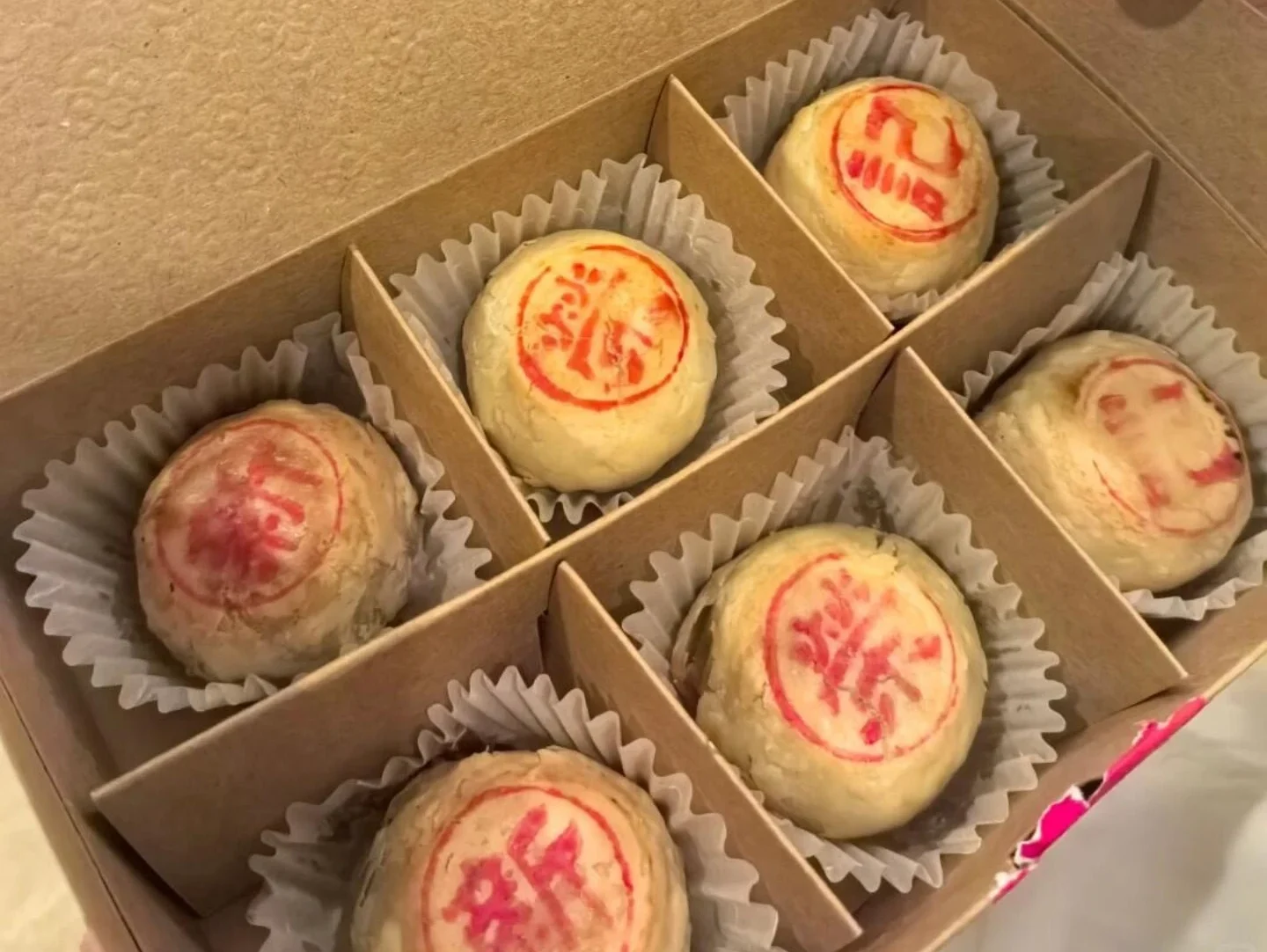
Mooncakes are traditional Chinese
pastries, round and rich, symbolizing reunion during Mid-Autumn Festival, often filled with sweet or savory fillings.
If you’ve ever seen beautifully crafted round pastries around September or October, chances are you’ve come across mooncakes — one of the most iconic foods in Chinese culture. But a mooncake isn’t just a dessert; it carries deep meaning, especially during the Mid-Autumn Festival, which is one of the most important traditional holidays in China and across many Asian communities.

At its core, a mooncake is a round pastry often filled with sweet or savory ingredients like lotus seed paste, red bean, or even salted egg yolks. But the true magic lies in what it represents. The round shape of the mooncake mirrors the full moon, which in Chinese culture symbolizes reunion, harmony, and completeness. Families gather under the bright full moon, share mooncakes, and express their wishes for unity and happiness.
For many, eating mooncakes is much more than just enjoying a sweet treat—it’s about staying connected with loved ones, honoring cultural roots, and celebrating the beauty of togetherness.
Cultural & Festival Significance
The Mid-Autumn Festival, also known as the Moon Festival, is all about family, gratitude, and of course, the moon. For thousands of years, people across China and other parts of Asia have gathered on this special night to admire the full moon and celebrate the harvest season.
Moon-Gazing Customs and Rituals

One of the most beautiful traditions is moon-gazing. On the 15th day of the 8th lunar month, when the moon is at its fullest and brightest, families gather outdoors or near windows to admire its glow. They light lanterns, enjoy mooncakes, sip tea, and spend time together. Some communities even host public lantern parades or cultural performances, making the night feel even more festive and magical.
The Legend of Chang’e and the Jade Rabbit

At the heart of the Mid-Autumn Festival is the famous legend of Chang’e. According to the story, Chang’e drank an elixir of immortality and floated to the moon, where she now lives with her companion, the Jade Rabbit, who is said to be constantly pounding herbs to create the elixir. This romantic and mystical tale adds a layer of wonder to the festival and explains why the moon has such a special place in Chinese culture.
Mooncake as a Symbol of Family Reunion
The mooncake itself reflects the spirit of the festival. Its round shape stands for wholeness, unity, and family reunion. Sharing mooncakes is a way of expressing love and best wishes for happiness and prosperity. For families separated by distance, the act of sending mooncakes to each other becomes a meaningful gesture of connection, even when they can’t be together.
Historical Evolution of Mooncakes
Ancient Origins: Harvest Rituals & Moon Worship

The story of mooncakes begins long before they became sweet treats. In ancient China, people held harvest festivals and moon worship ceremonies to give thanks for a successful harvest and pray for future prosperity. The full moon was seen as a symbol of abundance and balance in nature, and offerings like round fruits and cakes were placed on altars to honor the moon goddess.
Over time, these early rituals slowly evolved into what we now recognize as the Mid-Autumn Festival, and mooncakes became one of its most important offerings.
Tang–Song Era: Literary References

During the Tang (618–907 AD) and Song (960–1279 AD) dynasties, mooncakes started to appear in literature and art. Poets like Su Dongpo praised these small, round pastries in their writing. Back then, mooncakes were smaller and often called “moon balls” or “small cakes like the moon,” reflecting their shape and symbolism.
The practice of enjoying mooncakes while admiring the moon became more popular, spreading from the imperial court to the common people.
Ming–Qing: Mooncakes Become Mainstream Offerings

By the time of the Ming (1368–1644 AD) and Qing (1644–1912 AD) dynasties, mooncakes had become a household tradition during Mid-Autumn Festival. Families would make or purchase mooncakes to share with relatives and friends. The round shape took on even deeper meaning, symbolizing not just the full moon, but also family unity and reunion.
Political Legend: Secret Messages in Mooncakes
One famous legend adds a touch of mystery to mooncake history. During the late Yuan Dynasty (ruled by the Mongols), rebels are said to have hidden secret messages inside mooncakes to coordinate an uprising against their rulers. The coded notes helped organize a rebellion that eventually led to the rise of the Ming Dynasty. While historians debate the truth of this tale, it remains a popular story that adds extra intrigue to mooncake lore.
Mooncake Molds & Symbolic Presentation
Part of what makes mooncakes so special is not just their taste, but also their beautiful designs. Each mooncake often features intricate patterns pressed into the surface, and these designs carry deep meanings rooted in Chinese culture.
Wooden Molds with Auspicious Symbols

Traditionally, mooncakes are made using wooden molds carefully carved with various symbols. These designs are more than decoration — they express wishes for good luck, health, and happiness. Some of the most common images include:
- Lotus flowers, symbolizing purity and harmony
- Rabbits, linked to the Jade Rabbit from the Mid-Autumn legend
- Chang’e, the Moon Goddess, reminding people of the festival’s origins
- Chinese characters like 福 (good fortune), 寿 (long life), and 喜 (happiness), which send warm blessings to those who receive the mooncakes
Shapes: Round, Square, and More

While most people think of mooncakes as round, which represents completeness and reunion, they can come in many other creative shapes too. You might find:
- Square mooncakes, often used for more formal or commercial gifts
- Flower-shaped mooncakes, representing beauty and elegance
- Animal shapes, especially for children, adding a playful touch to the tradition
Today, many modern mooncakes still use these traditional molds, while others experiment with new designs to attract younger generations. But no matter the shape or pattern, each mooncake carries the same timeless message of love, reunion, and good wishes.
Nutritional Profile & Ingredients
While mooncakes are known for their rich flavors and beautiful designs, they also contain a variety of nutritious ingredients, especially in traditional fillings.
Seeds, Nuts, and Natural Goodness

Many mooncake fillings include seeds and nuts like walnuts, almonds, sesame seeds, melon seeds, and sunflower seeds. These ingredients are packed with unsaturated fats, which are healthier for the heart compared to saturated fats. They also provide important minerals such as magnesium, iron, zinc, and potassium.
In addition, nuts and seeds contain antioxidant vitamins, especially vitamin E, which supports healthy skin and may help slow the aging process. Some fillings, like lotus seed paste and red bean paste, also offer fiber and plant-based nutrients that contribute to better digestion and overall wellness.
Health Suggestions: Enjoy in Moderation

Even though mooncakes offer some nutritional benefits, they are still considered high-calorie treats due to the sugar, fat, and dense fillings. That’s why many nutritionists recommend enjoying mooncakes in moderation.
One helpful tip is to pair mooncakes with tea, such as green tea, oolong tea, or jasmine tea. The light, refreshing taste of tea helps balance the richness of the mooncake and may also aid digestion.
For people with certain health conditions—like diabetes, high cholesterol, or heart problems—it’s best to limit intake and choose smaller portions or low-sugar versions.
Mooncake Making Process
Making mooncakes may seem simple at first glance, but it’s a careful process that combines skill, tradition, and patience. Here’s how traditional mooncakes are made step by step.
1. Dough Preparation

The first step is to prepare the dough for the mooncake skin. Typically, two types of dough are used:
- Main dough (water dough): made by mixing flour, water, and some oil.
- Oil dough (shortening dough): made with flour and more fat (like lard or vegetable oil) to create the soft, flaky texture.
For larger mooncakes, the oil dough is wrapped inside the main dough. Then, the combined dough is gently rolled out into thin layers. Care must be taken not to roll it too short or too narrow, or the pastry will bake unevenly.
2. Making the Filling

Each mooncake filling has its own recipe, often prepared ahead of time:
- Date paste with pine nuts: Dates are steamed, pitted, and mashed into a smooth paste. Sugar syrup is added, then pine nuts and oil are mixed in until smooth and not sticky.
- Red bean paste (clean water method): Red beans are boiled, blended into a paste, and mixed with sugar, malt syrup, oil, and water.
- Lard bean paste: Red bean paste is combined with sugar, diced lard, rose petals, and osmanthus flowers for extra fragrance.
The fillings are mixed and kneaded until soft, shiny, and ready for wrapping.
3. Filling and Wrapping

The prepared filling is placed in the center of the rolled dough. The edges of the dough are folded around the filling and sealed tightly, forming a smooth ball.
4. Shaping

Each mooncake ball is gently flattened into a disc and placed into a wooden mold with intricate designs, such as flowers, animals, or auspicious Chinese characters. Pressing the mold shapes the mooncake and imprints the pattern on top.
5. Baking

The shaped mooncakes are baked at around 240°C (464°F). Once the patterns are set, the oven temperature is slightly lowered to ensure even baking. Each batch usually takes 6 to 7 minutes to bake fully. After baking, the mooncakes are cooled completely before packaging.
6. Quality Control
A well-made mooncake should meet these standards:
- Color: Golden brown on top, pale yellow on the sides, no burn marks underneath.
- Shape: Smooth, full, slightly domed with no cracks or leaking filling.
- Texture: The pastry should be crisp and flaky, not dry or hard.
- Filling: Even thickness, no air gaps, balanced chunks of nuts or fruit.
- Flavor: Fragrant, lightly sweet, with no bitterness or off-flavors.

Mooncake Categories
Today, mooncakes come in a wide variety of styles, flavors, and appearances. From traditional regional favorites to modern creative versions, there’s a mooncake for almost every taste. Let’s take a closer look.
Traditional Regional Styles
Over centuries, different regions of China have developed their own unique mooncake styles:
- Cantonese (Guangdong style):
The most popular worldwide. Features thin, soft pastry with rich fillings such as lotus seed paste, red bean paste, salted egg yolk, or five-nut mixes. Often beautifully stamped with decorative patterns.

- Suzhou (Su style):
Known for its flaky pastry, created by layering oil and dough. Fillings often include sweet red bean or savory minced pork. Suzhou mooncakes are crisp on the outside and rich inside.

- Beijing (Jing style):
Uses water-crust pastry, producing a tender and slightly chewy texture. Fillings typically include sweet hawthorn paste, mixed nuts, or fruit pastes.

- Teochew (Chaozhou style):
Features light, flaky layers like puff pastry. Popular fillings include taro paste or mung bean paste.

- Yunnan style:
Famous for its unique ham-filled mooncakes, combining sweet and savory flavors with rich, fragrant meat fillings.

Traditional Fillings

- Lotus Paste Mooncakes
One of the most classic fillings, lotus seed paste has a smooth, sweet taste. Often, it’s paired with salted egg yolks, which add a rich, slightly savory flavor that balances the sweetness.

- Five-Nut Mooncakes
Filled with a crunchy mix of walnuts, almonds, sesame seeds, melon seeds, and peanuts, this variety offers a nutty aroma and chewy texture. It’s one of the most traditional and nutrient-rich options.

- Meat-Filled Mooncakes
In some regions, savory fillings like minced pork or ham are used, often mixed with nuts or sweet ingredients for a sweet-salty combination.

- Red Bean Paste Mooncakes
A classic and beloved filling, red bean paste offers a smooth, sweet, and slightly earthy flavor. Its creamy texture pairs beautifully with both traditional and modern mooncake crusts, making it a popular choice for all ages.

- Pork Floss Mooncakes
This savory-sweet filling combines soft, shredded pork floss with a touch of sugar, creating a light, fluffy texture inside the mooncake. Often paired with salted egg yolk, it delivers a rich and satisfying bite.

Modern Adaptations

In recent years, new types of mooncakes have become increasingly popular, especially among younger generations looking for new flavors and healthier options:
- Ice-skin (snow skin) mooncakes:
Made with glutinous rice flour, served chilled. Fillings may include fresh fruit, custard, matcha, or chocolate.

- French-style mooncakes:
Blend traditional shapes with Western pastry techniques, using ingredients like mousse, cheesecake, or creamy fruit fillings.

- Fruit and vegetable mooncakes:
Use ingredients like pineapple, mango, taro, or sweet potato for a lighter, fresher taste.

- Health-themed mooncakes:
Lower sugar, high-fiber, or fortified with supplements like collagen, calcium, or ginseng.

- Mini-bite mooncakes:
Smaller portions for lighter enjoyment, often beautifully packaged for gifting.

Creative Trends & Pairings
In recent years, mooncakes have gone beyond tradition and entered a new world of creativity and fusion. Bakers, brands, and food lovers continue to experiment with flavors, pairings, and even record-breaking sizes!
Sweet & Savory Fusion Flavors

Modern mooncakes are no longer limited to just sweet lotus or red bean paste. Today’s creative fillings offer a wide range of exciting combinations:
- Savory fillings: ham, salted egg yolk, barbecued pork, or seafood
- Fusion flavors: matcha green tea, coffee, chocolate, tiramisu, mango, and even durian
- Western-inspired options: cream cheese, custard, blueberry, or cranberry
- Healthy alternatives: low-sugar, low-fat, or plant-based versions with added nutritional value
These new flavors attract younger generations and global audiences, making mooncakes more than just a once-a-year treat.
Mooncakes & Tea Pairings

Mooncakes & Tea Pairings
Because mooncakes can be quite rich and sweet, pairing them with tea is a long-standing tradition. The right tea helps balance the flavors and aids digestion. Here are some popular pairings:
- Oolong tea: strong and aromatic, perfect for rich, sweet fillings
- Jasmine tea: light and floral, great for fruit or custard mooncakes
- Pu-erh tea: earthy and smooth, ideal for dense, nut-filled varieties
- Green tea (Longjing, Biluochun): refreshing and mild, pairs well with lighter fillings
A cup of hot tea brings out the best in every bite of mooncake.
Record-Breaking Giant Mooncakes

In addition to creative flavors, some places have pushed mooncake-making to record-breaking levels:
- In Changchun, a giant mooncake weighing 1,200 pounds (over 540 kg) was made with a 3-meter diameter.
- In Lanzhou, a world-record mooncake weighing 900 pounds (over 400 kg) featured a beautiful lily-shaped design with premium ingredients.
- In Hefei, a half-ton mooncake was created for public celebrations, allowing hundreds of people to share one mooncake together!
These enormous mooncakes not only showcase the skill of the bakers but also highlight the spirit of sharing and community behind the Mid-Autumn Festival.
Serving, Storage & Leftover Tips
How to Serve Mooncakes

Mooncakes are best enjoyed at room temperature, which allows their texture and flavor to shine. Traditional baked mooncakes usually don’t need reheating. However, some fillings — like custard or snow skin mooncakes — can be lightly chilled or gently warmed depending on personal preference.
For snowskin or ice cream mooncakes, it’s best to let them sit at room temperature for a few minutes after removing them from the fridge or freezer. This helps soften the texture while keeping the flavors balanced.
How to Store Mooncakes

Proper storage keeps mooncakes fresh and tasty:
- Traditional baked mooncakes (with lower moisture fillings like lotus seed paste or nuts): store in a cool, dry, ventilated place. Avoid direct sunlight and humidity.
- High-moisture mooncakes (like fresh fruit, ice skin, or custard fillings): store in the refrigerator and consume within a few days for the best quality.
- Avoid stacking mooncakes or exposing them to strong odors, as their delicate flavors can absorb surrounding smells.
Always check the expiration date, and when in doubt, eat sooner rather than later.
Creative Ways to Use Leftover Mooncakes
If you find yourself with extra mooncakes after the festival, don’t let them go to waste! Here are some fun and delicious ways to repurpose leftovers:
- Add to congee or rice porridge: Chop mooncake pieces into small cubes and stir into warm congee for a sweet-savory twist.
- Blend into smoothies or yogurt: Mix small mooncake chunks with yogurt or smoothies for added texture and flavor.
- Use in stir-fries or steamed buns: Dice savory mooncakes (like those with meat fillings) and toss into fried rice, stir-fries, or use as a filling for steamed buns.
These creative methods give new life to leftover mooncakes and prevent unnecessary waste — while adding unique flavors to everyday meals!
Health Warnings & Smart Buying
Who Should Limit Mooncake Intake
While mooncakes are delicious and deeply meaningful, they are also high in sugar, fat, and calories. Some people should enjoy them with extra care or avoid overindulging:
- People with diabetes: High sugar content can cause blood sugar spikes.
- Individuals with high cholesterol or heart conditions: The fat and cholesterol levels, especially in traditional egg yolk fillings, may not be suitable.
- Elderly individuals: Older adults with slower digestion should eat smaller portions.
- Infants and very young children: Their developing digestive systems may not handle the rich ingredients well.
For those who need to watch their intake, smaller portions or low-sugar, low-fat mooncake options may be better choices.
How to Choose Quality Mooncakes

When buying mooncakes, appearance can tell you a lot about freshness and quality:
- Color: The top should have a shiny golden-brown finish, with light yellow sides and no dark or burned spots.
- Shape: The mooncake should be round, plump, and free from cracks or leakage.
- Pattern imprint: Clear, sharp designs on the top show skilled baking and good molds.
Trustworthy Brands & Label Reading

To ensure safety and quality:
- Buy from well-known brands or reputable bakeries that follow proper food safety standards.Groceries
- Always check the expiration date and storage instructions.
- Read ingredient labels carefully if you have allergies or dietary restrictions.
- Be cautious with very cheap or unbranded products, especially if packaging looks damaged or unclear.
Choosing good mooncakes means not only enjoying great taste but also protecting your health and giving thoughtful gifts to family and friends.
Mooncakes in Global Culture and Modern Business
In today’s world, mooncakes have become more than a traditional holiday treat — they are now part of global culture, creative business trends, and even luxury branding.
Mooncakes Go Global
As Chinese communities have spread worldwide, the tradition of eating mooncakes during the Mid-Autumn Festival has followed. In many countries, you can now find mooncakes in:
- Chinatown bakeries across North America, Europe, Australia, and Southeast Asia
- Asian supermarkets and online stores catering to international buyers
- Cultural events and festivals hosted by schools, universities, and businesses to promote cultural exchange
Through these channels, more people from different cultures are learning about the meaning behind mooncakes and joining in on the celebration.
Creative Commercial Crossovers

In recent years, well-known global brands have entered the mooncake market, blending Eastern tradition with modern creativity:
Chinese tea sets
- Haagen-Dazs Ice Cream Mooncakes:
These frozen mooncakes feature creamy ice cream fillings inside a chocolate shell, offering a cool twist for younger and international consumers. - Starbucks Mooncake Gift Boxes:
Starbucks creates elegant mooncake gift sets each year, combining Western-style packaging with Asian flavors like coffee, green tea, and chocolate. - Luxury Brand Collaborations:
High-end fashion and jewelry brands like Gucci, Bulgari, and even hotel chains have designed limited-edition mooncake gift boxes, often packaged in beautifully crafted boxes with collectible designs.
A New Form of Cultural Soft Power
By blending tradition with modern design, mooncakes have become not only a symbol of Chinese culture but also a powerful soft power tool. Through global business, luxury collaborations, and creative marketing, mooncakes now help share Chinese culture with the world in a way that feels fresh, elegant, and approachable.