 admin
admin
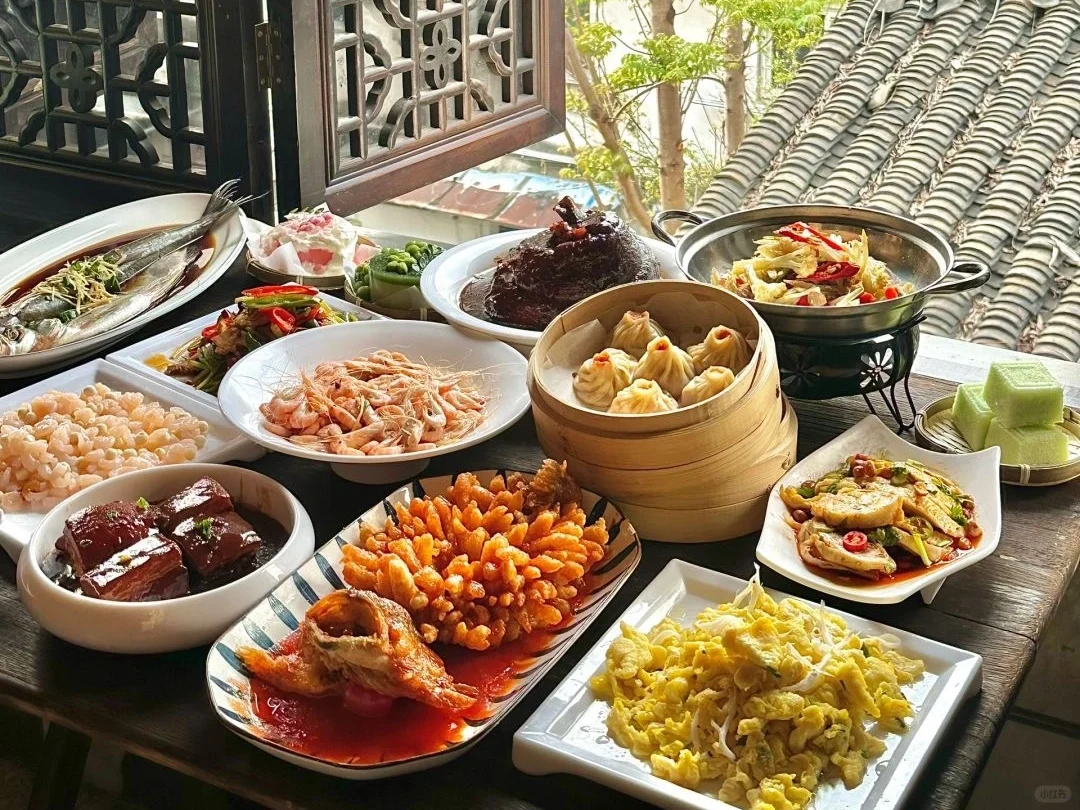
Discover the rich flavors of Fujian cuisine, famous for its fresh
seafood, delicate
soups, and unique cooking techniques, offering a true taste of southern China.
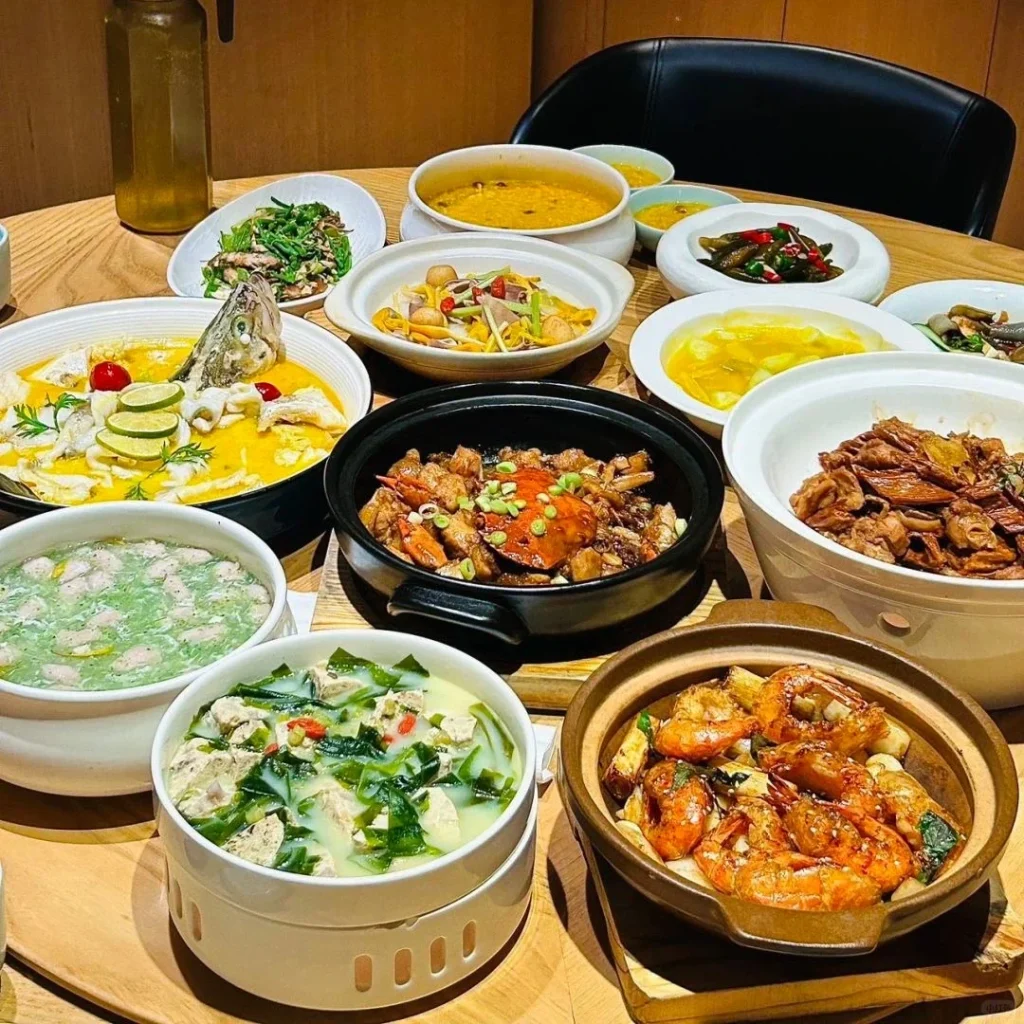
About Fujian Cuisine
Fujian cuisine, one of China’s Eight Great Cuisines, combines flavors from Fuzhou, Minhou, and beyond.
Known for its light, fresh, and umami-rich taste, Fujian dishes excel in soups, seafood, and the use of red yeast rice for flavoring.
Signature dishes include Buddha Jumps Over the Wall, Fuzhou Fish Balls, and
Oyster Omelette.
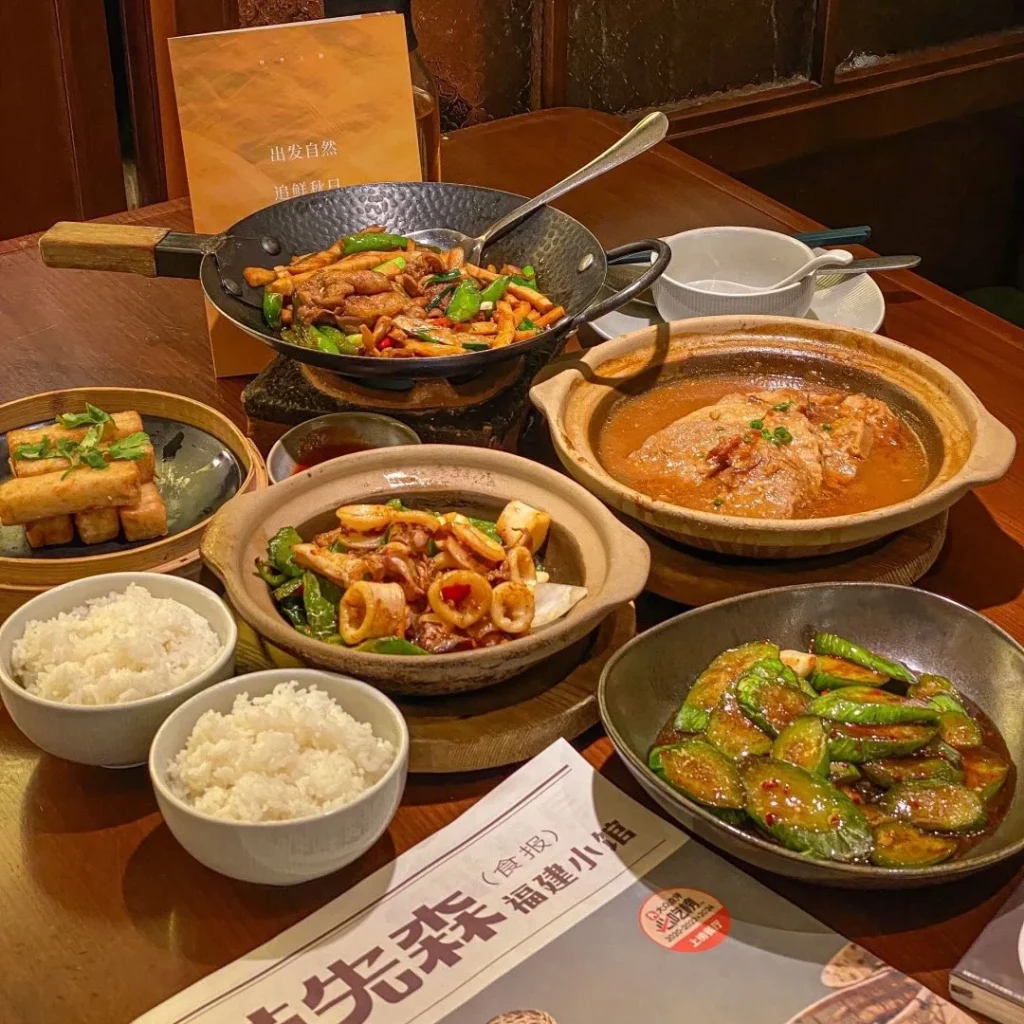
Features of Fujian Cuisine
Fujian cuisine emphasizes light flavors, crisp stir-frying, and clear soups, excelling in seafood dishes.
The region’s rich natural resources, from mountain delicacies like mushrooms and bamboo shoots to coastal seafood, provide an abundant variety of ingredients.
Master chefs of Fujian cuisine are renowned for their unique knife skills and precise seasoning techniques, ensuring dishes are flavorful and visually appealing.
Categories of Fujian Cuisine
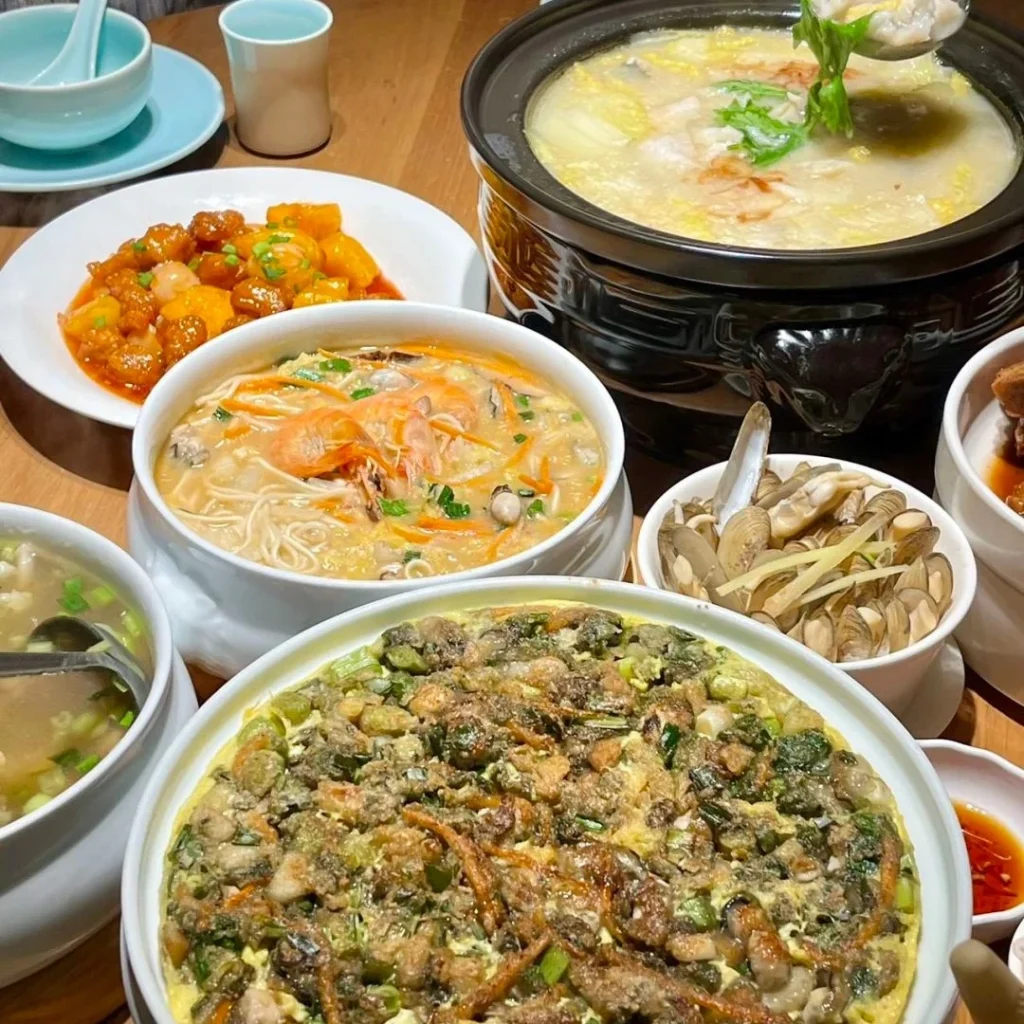
Fuzhou Cuisine
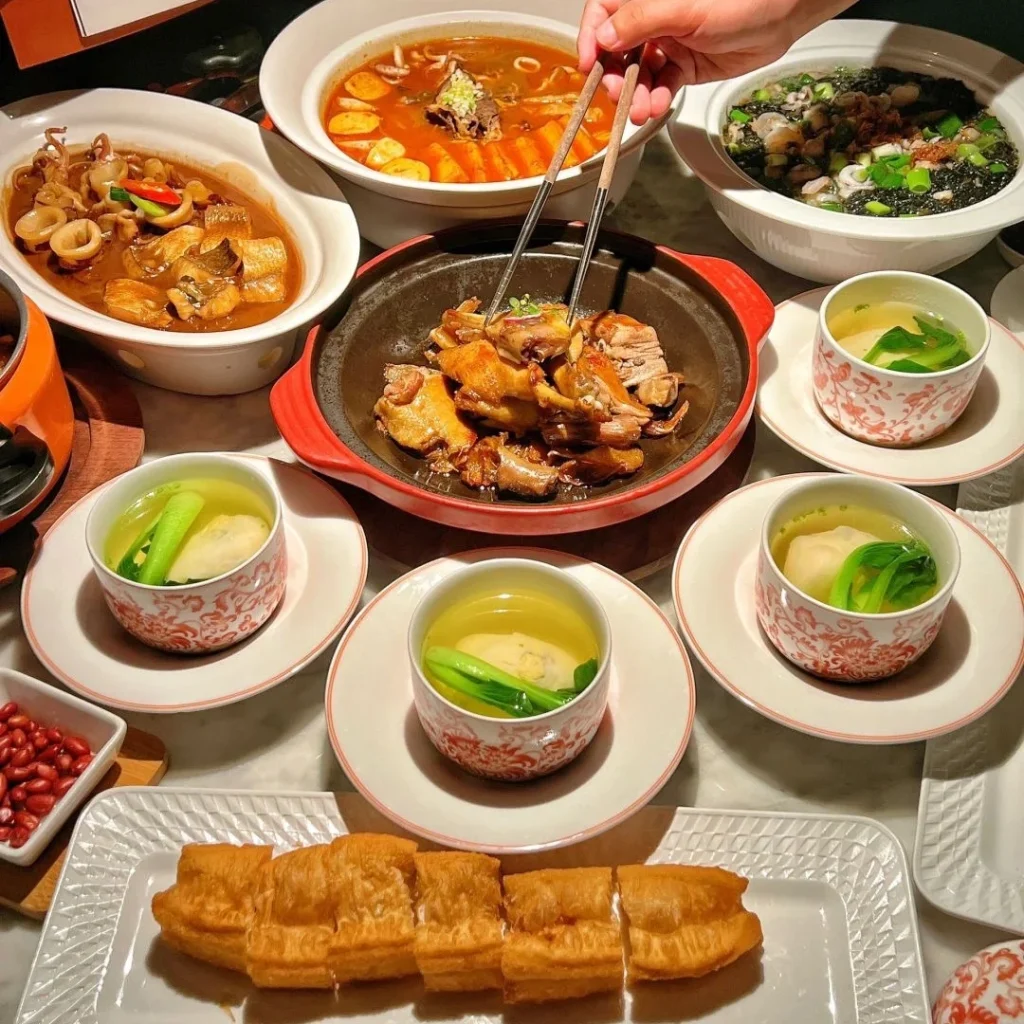
Fuzhou cuisine focuses on soups and seafood, known for light and fresh flavors.
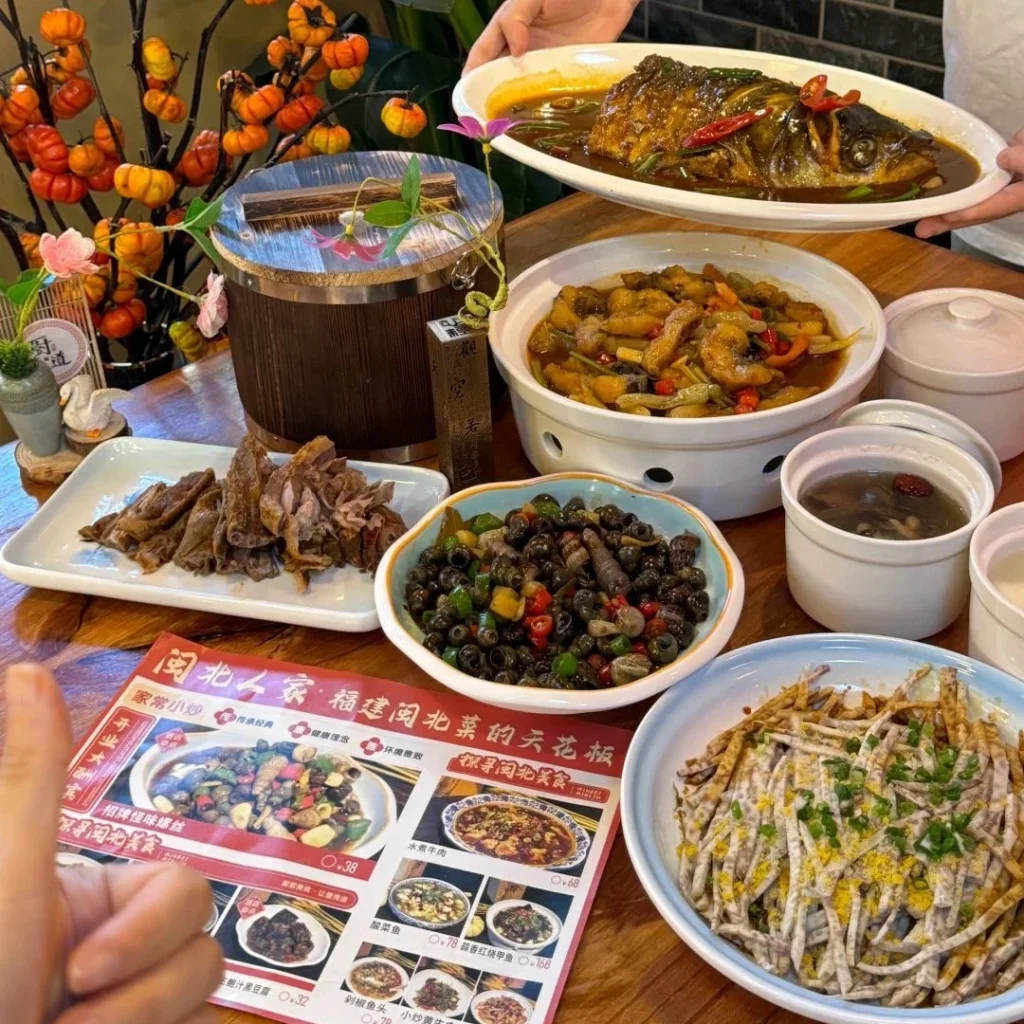
Minbei Cuisine
Minbei cuisine highlights mountain delicacies, mushrooms, and bamboo shoots.
Minnan Cuisine
Minnan cuisine emphasizes seafood and seasonal pairings with a focus on fresh, natural flavors.
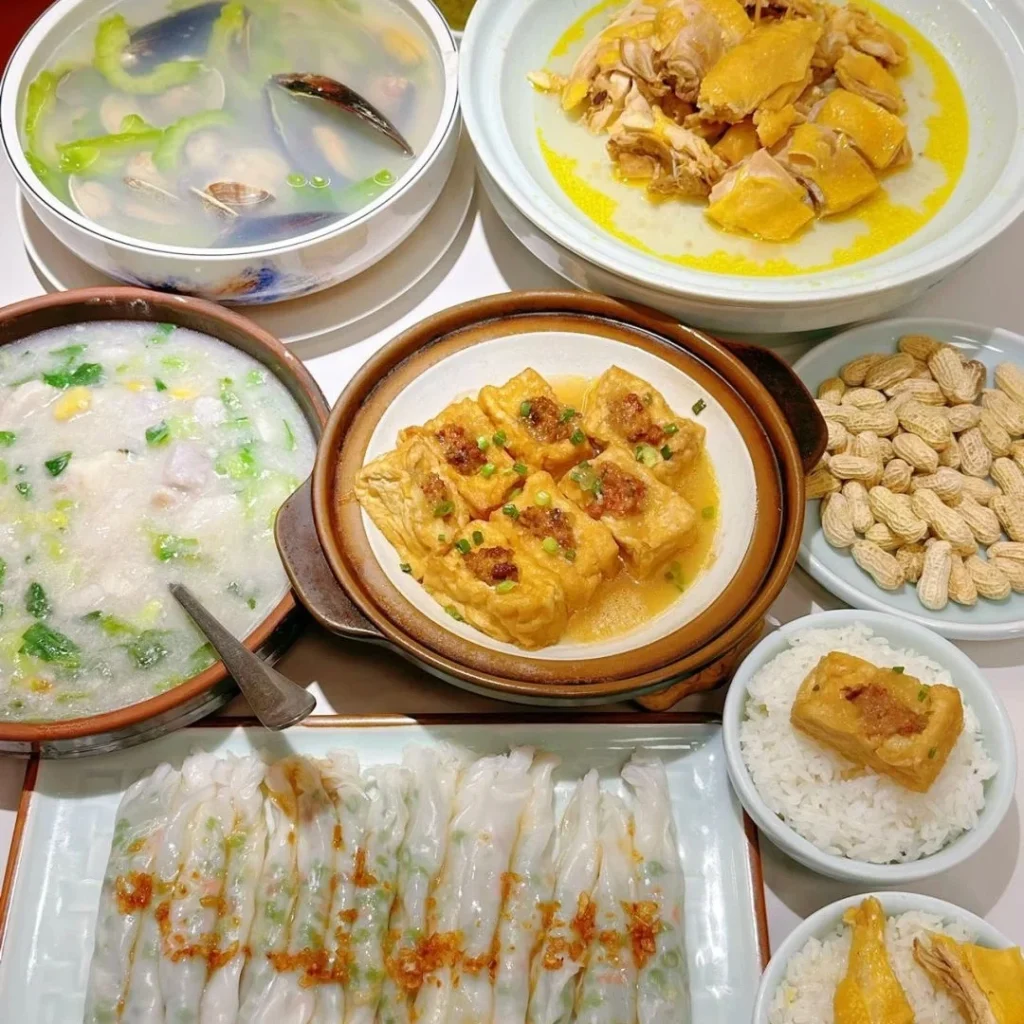
Minxi Cuisine
Minxi cuisine, rooted in Hakka traditions, incorporates unique mountain ingredients.
Minzhong Cuisine
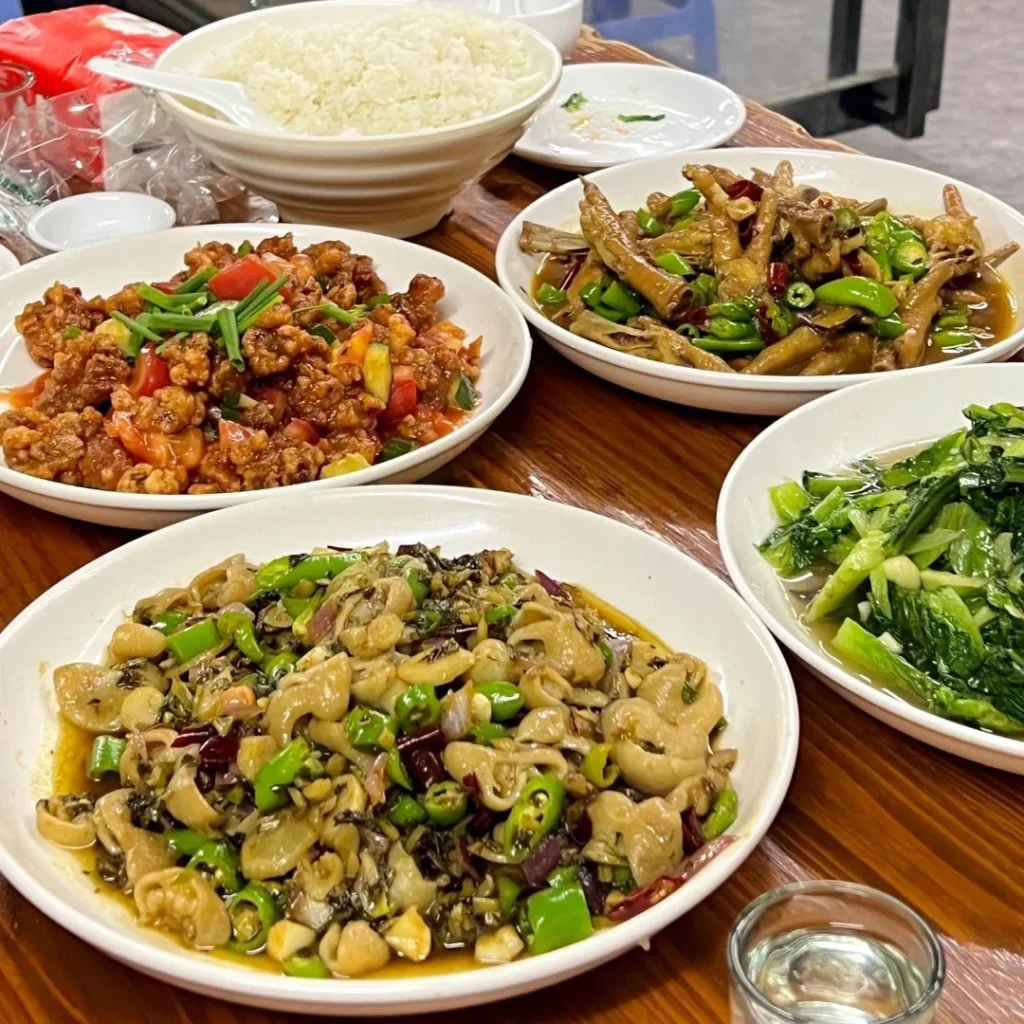
Minzhong cuisine is famous for its small eats, offering rich and affordable flavors.
Puxian Cuisine
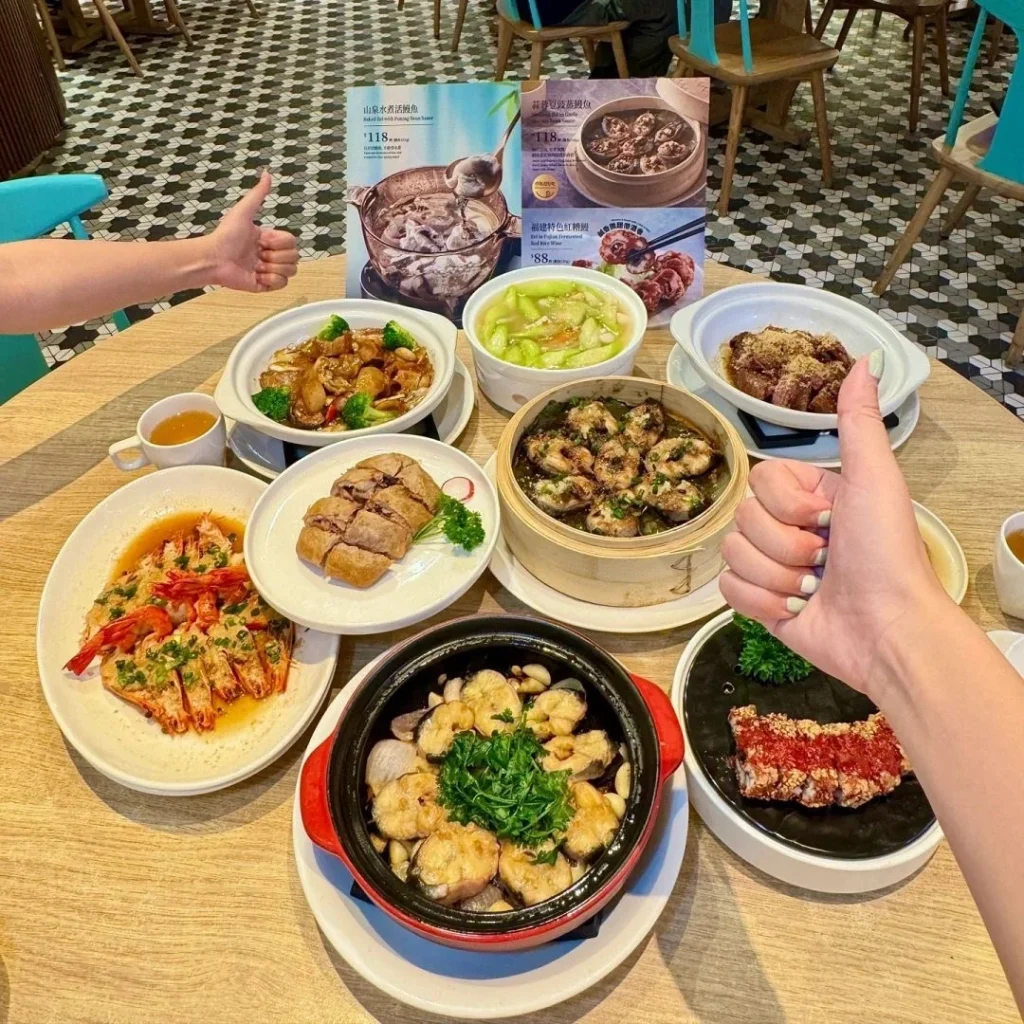
Puxian cuisine is known for its rustic charm, featuring dishes like rice noodles and stews.
Typical Fujian Dishes
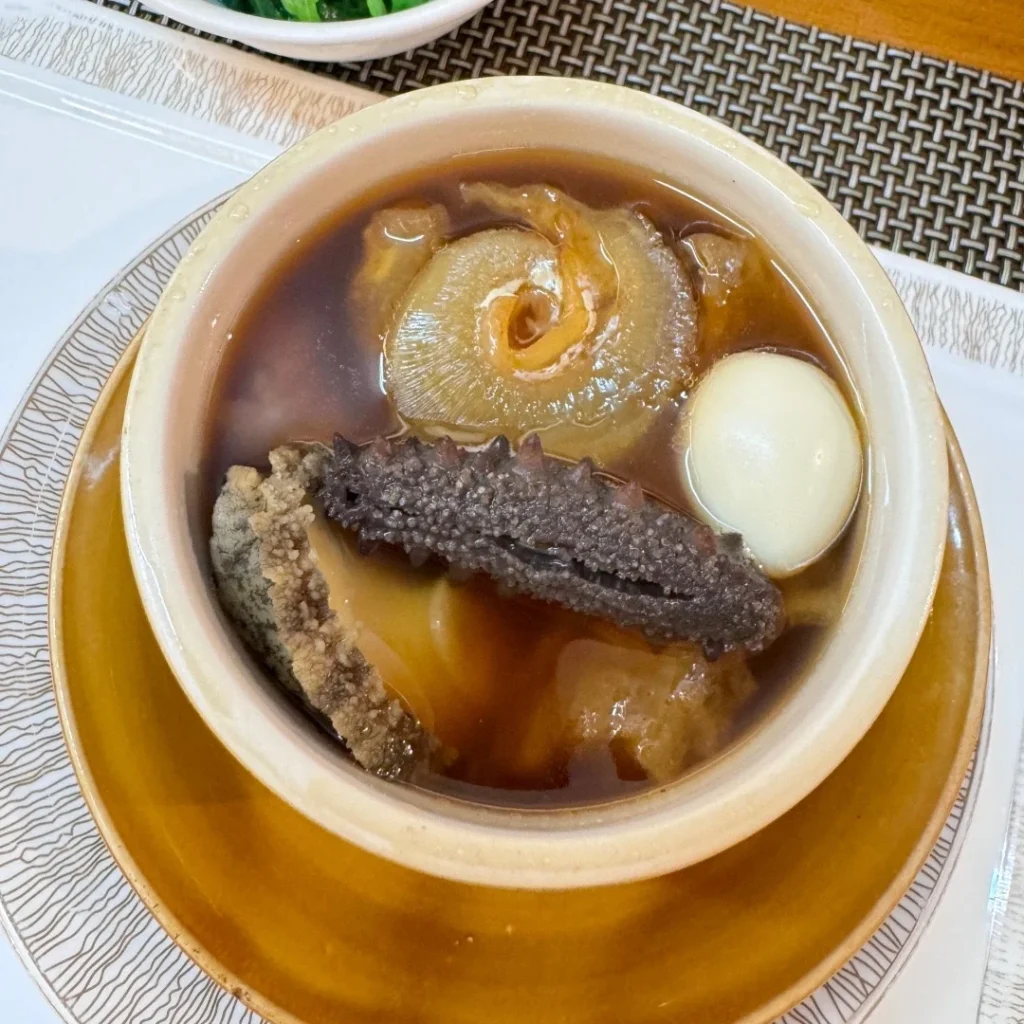
Buddha Jumps Over the Wall
A rich, nourishing soup combining premium seafood and meats, stewed with aromatic herbs and wine.
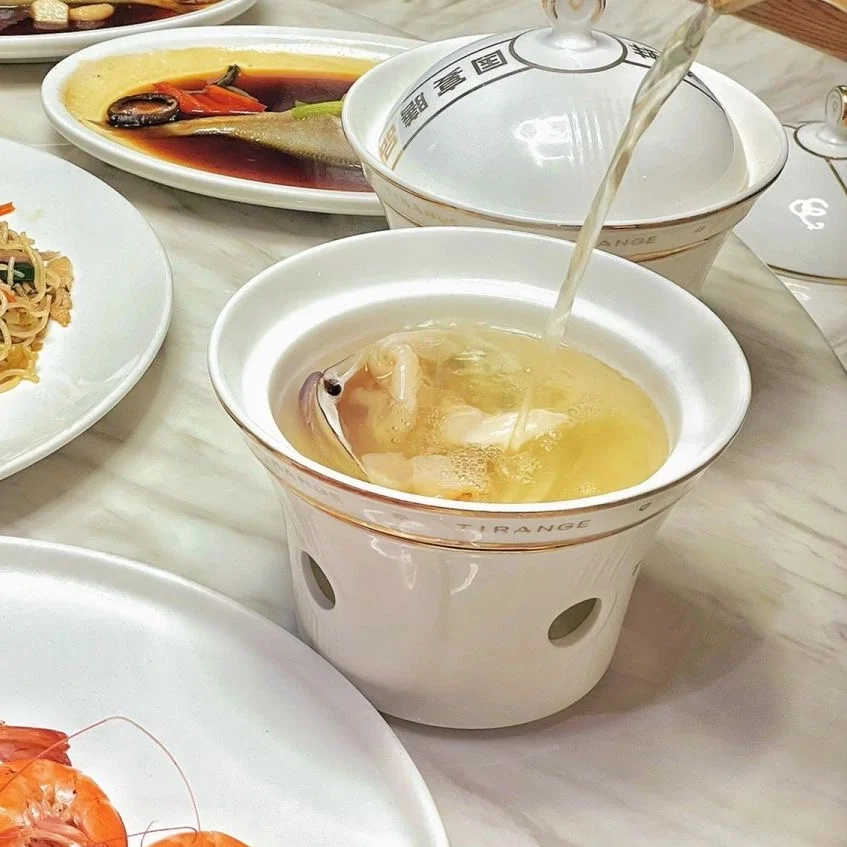
Chicken Soup with Clams
Fresh clams cooked in rich chicken broth, offering a savory and refreshing taste.
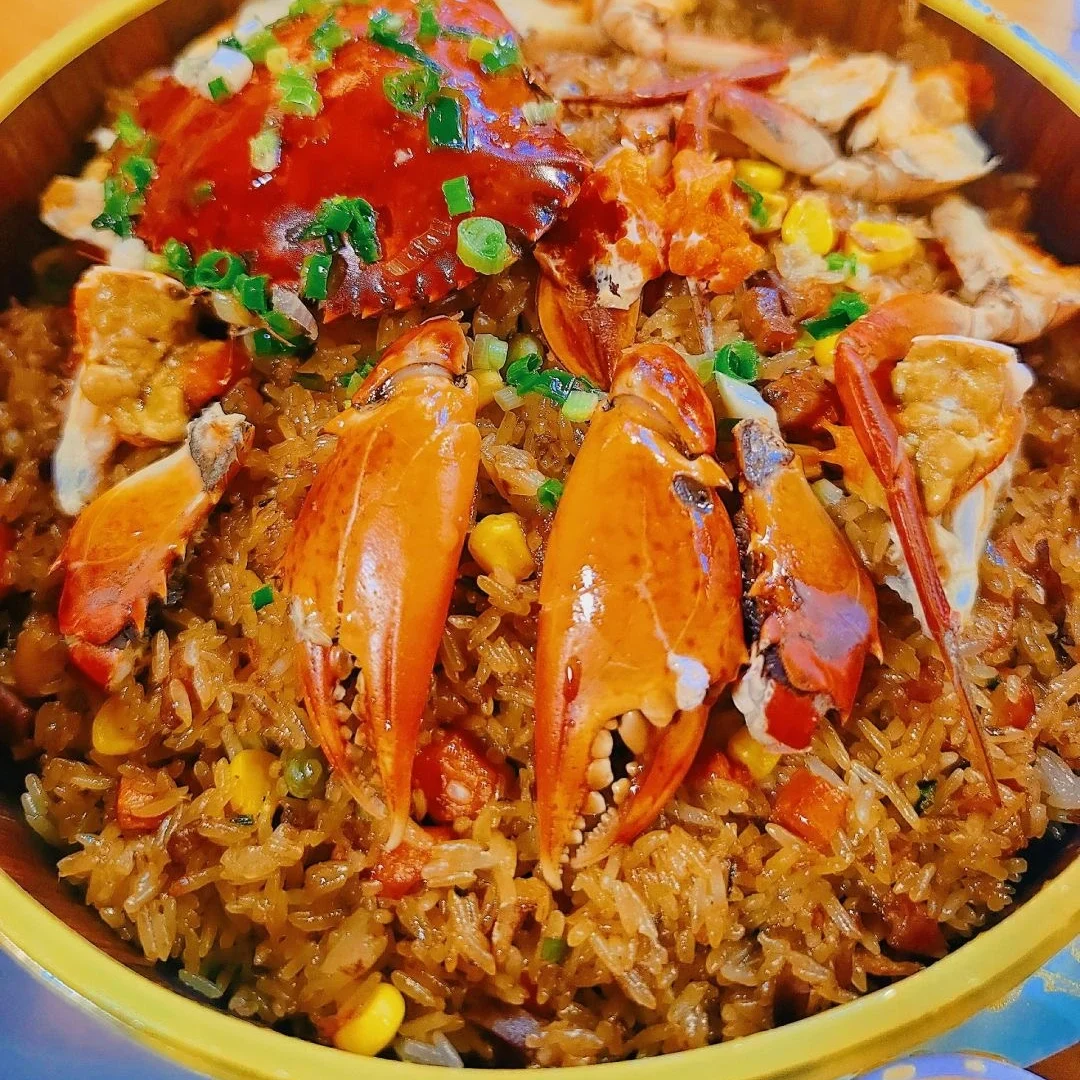
Eight Treasures Crab Rice
A rich, flavorful dish combining steamed glutinous rice with crab and various savory ingredients.
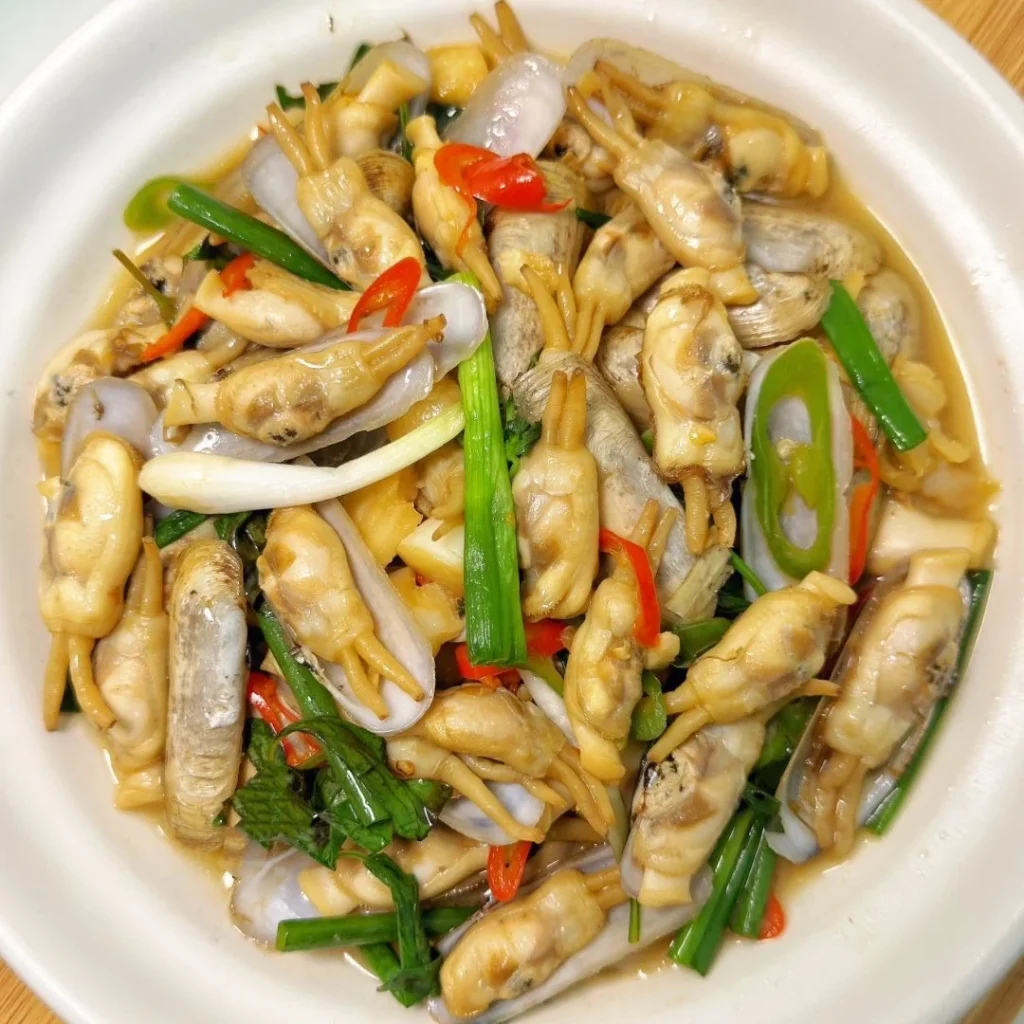
Stir-Fried Razor Clams
Razor clams stir-fried with vegetables, offering a delicious blend of freshness and umami flavors.
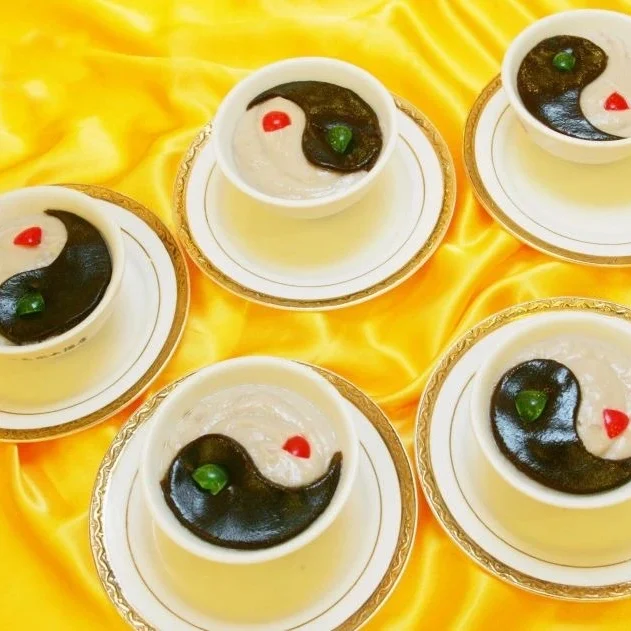
Taiji Taro Paste
Smooth taro paste with a delicate balance of sweetness and texture, beautifully presented.
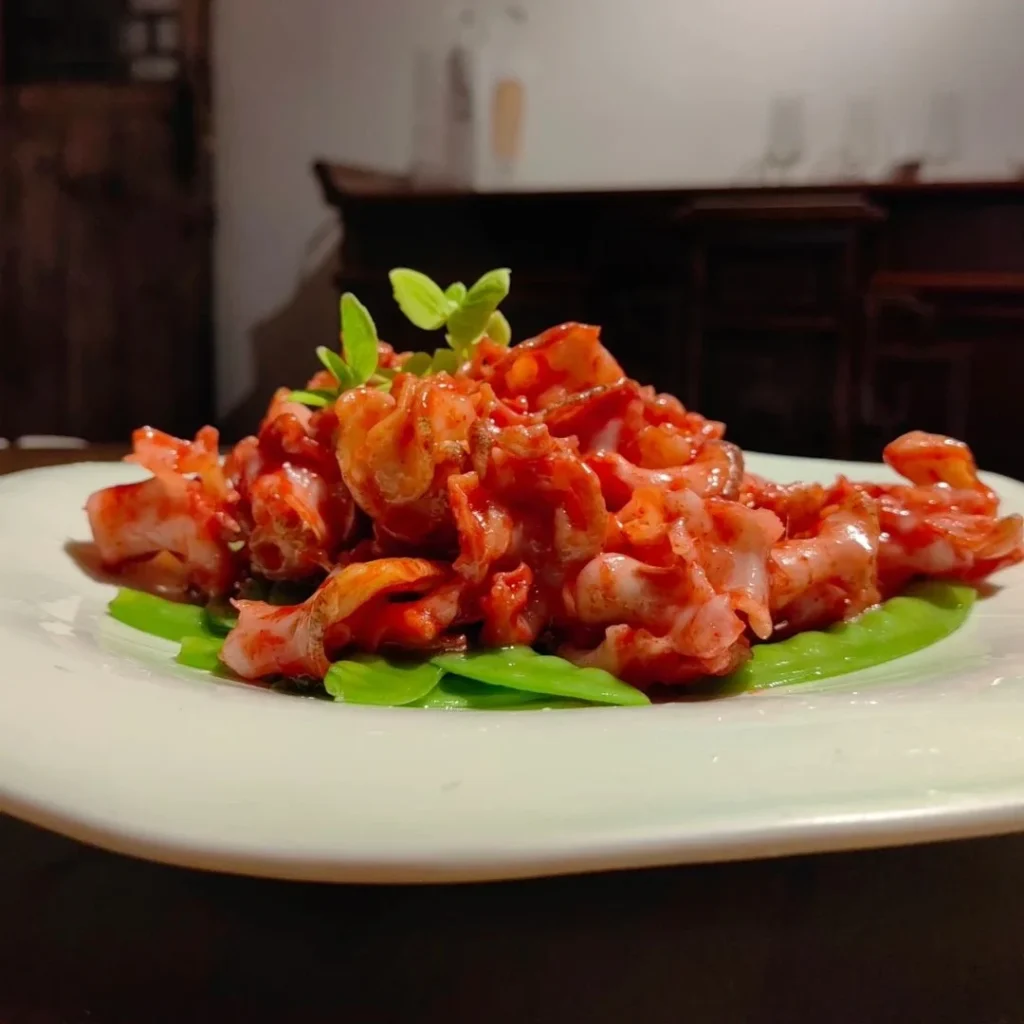
Drunken Conch Slices
Thinly sliced conch marinated in red yeast wine, offering a fresh and tangy flavor experience.
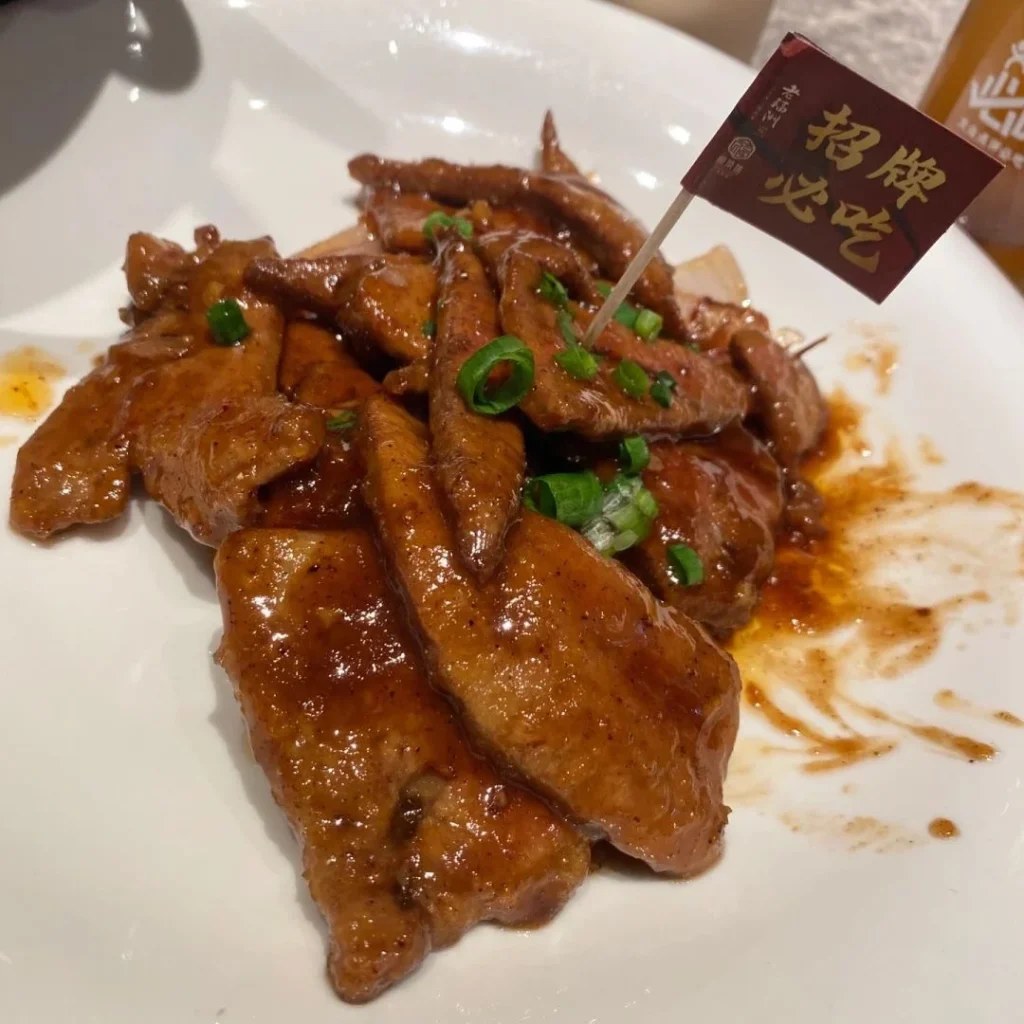
Pan-fried Pork Liver
Thinly sliced pork liver, quickly stir-fried to retain tenderness and rich, savory flavor.
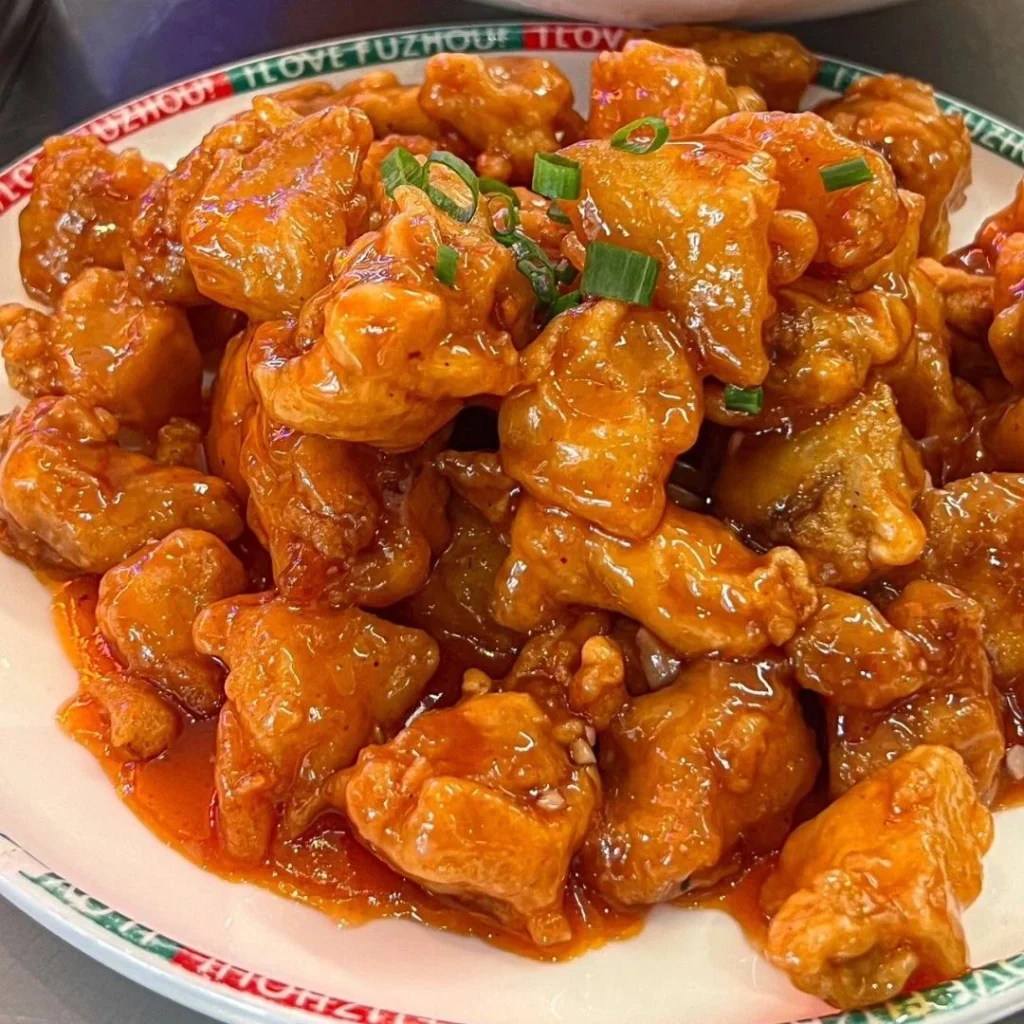
Lychee Pork
Deep-fried pork in a sweet and sour sauce, with a distinctive lychee-like appearance.
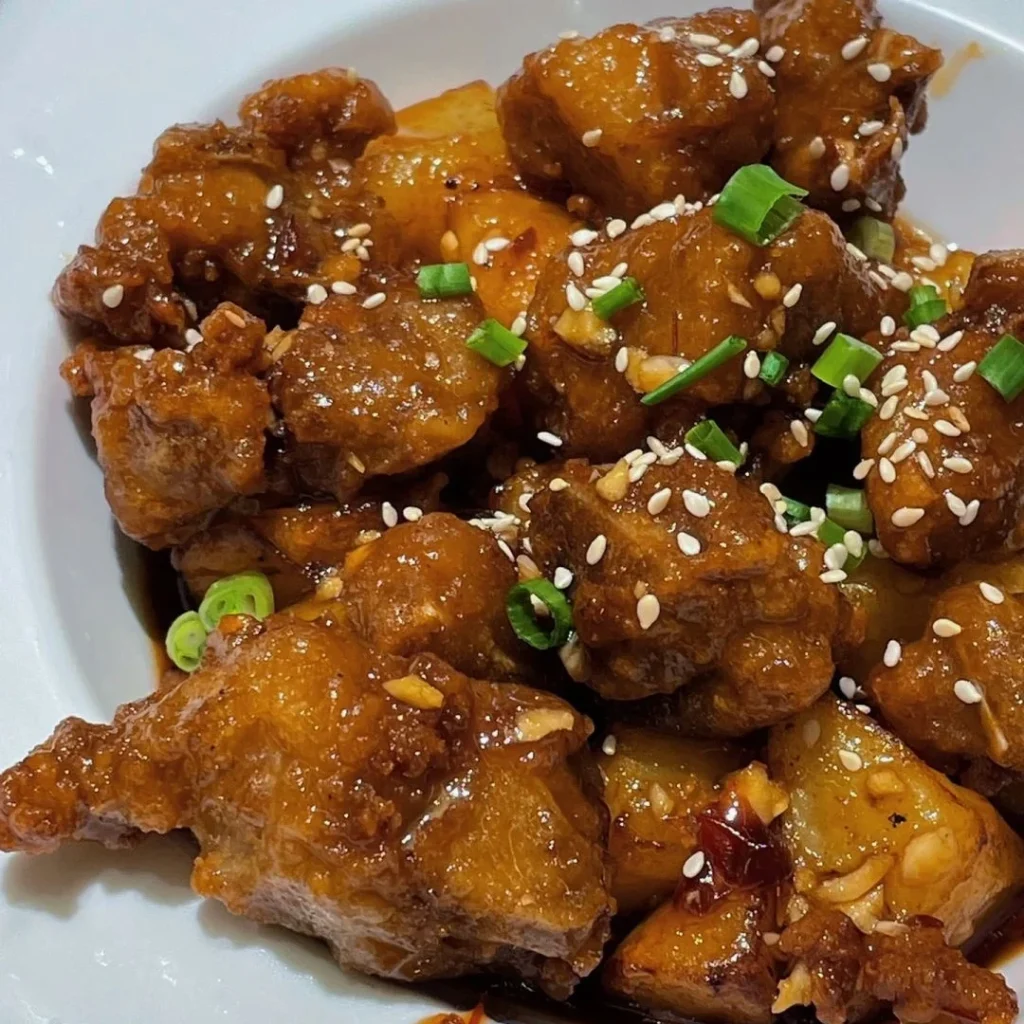
Drunken Spare Ribs
Tender pork ribs marinated in yellow wine and cooked in a sweet and tangy sauce.
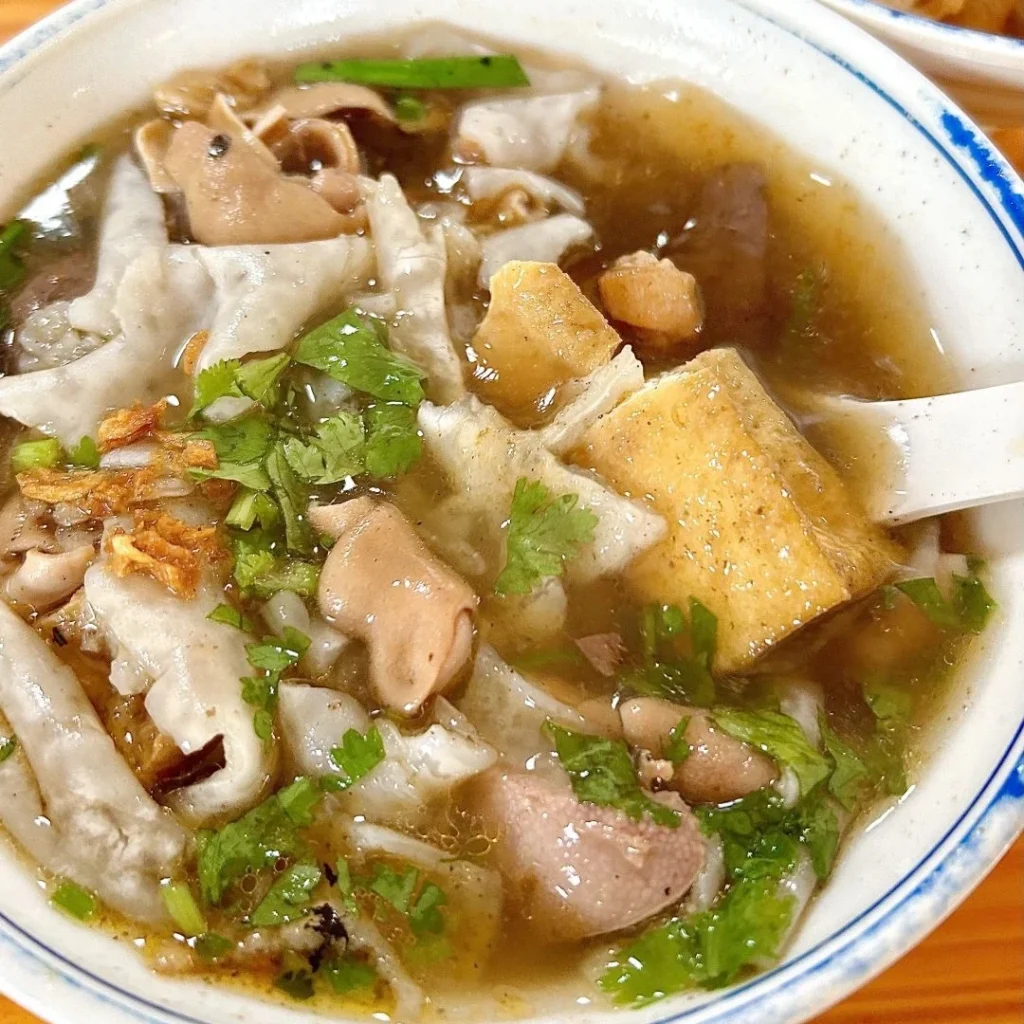
Ding Bian Hu
A savory rice batter soup cooked on the pot’s edges, paired with seafood and vegetables.

Oyster Omelette
Fresh oysters mixed with a batter of sweet potato starch, then pan-fried until crispy.
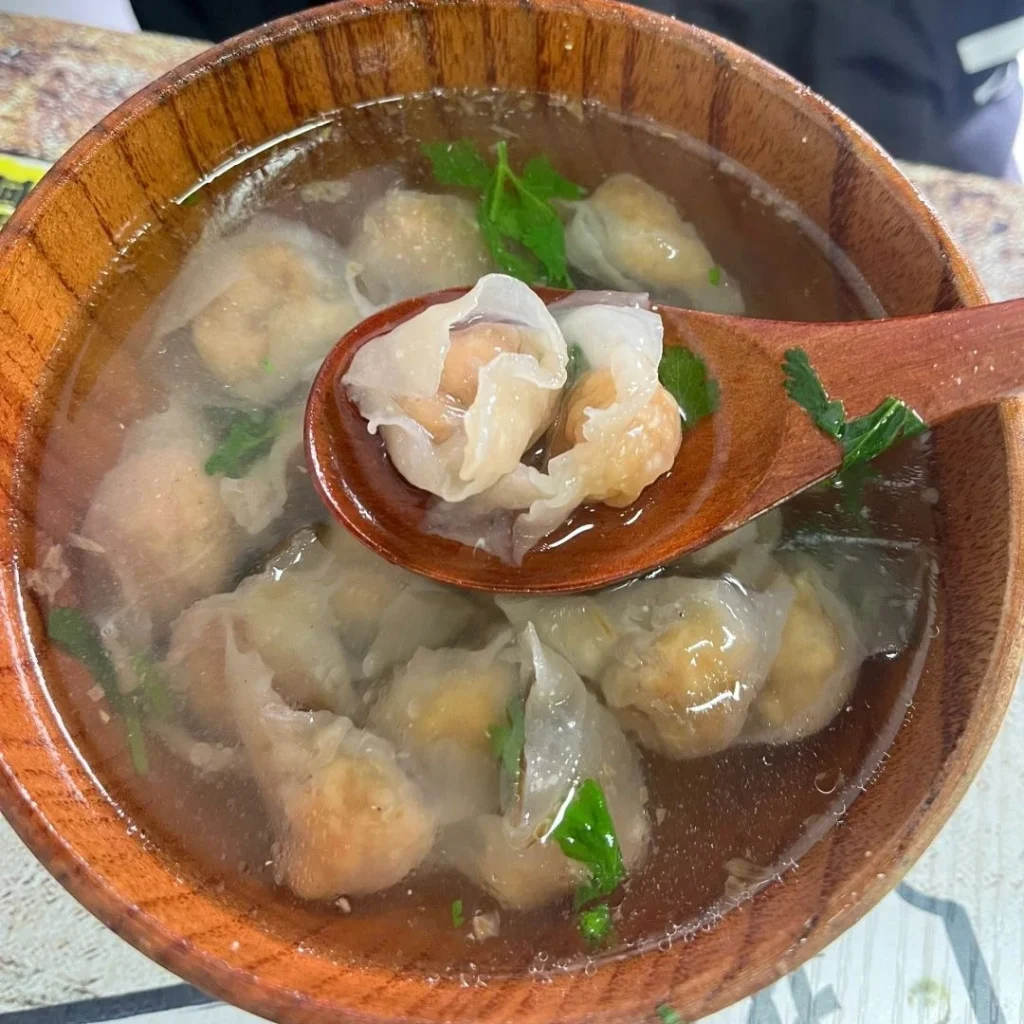
Meat Swallow Dumplings
Thin-skinned dumplings made of pork, symbolizing peace and celebration in traditional Fuzhou cuisine.
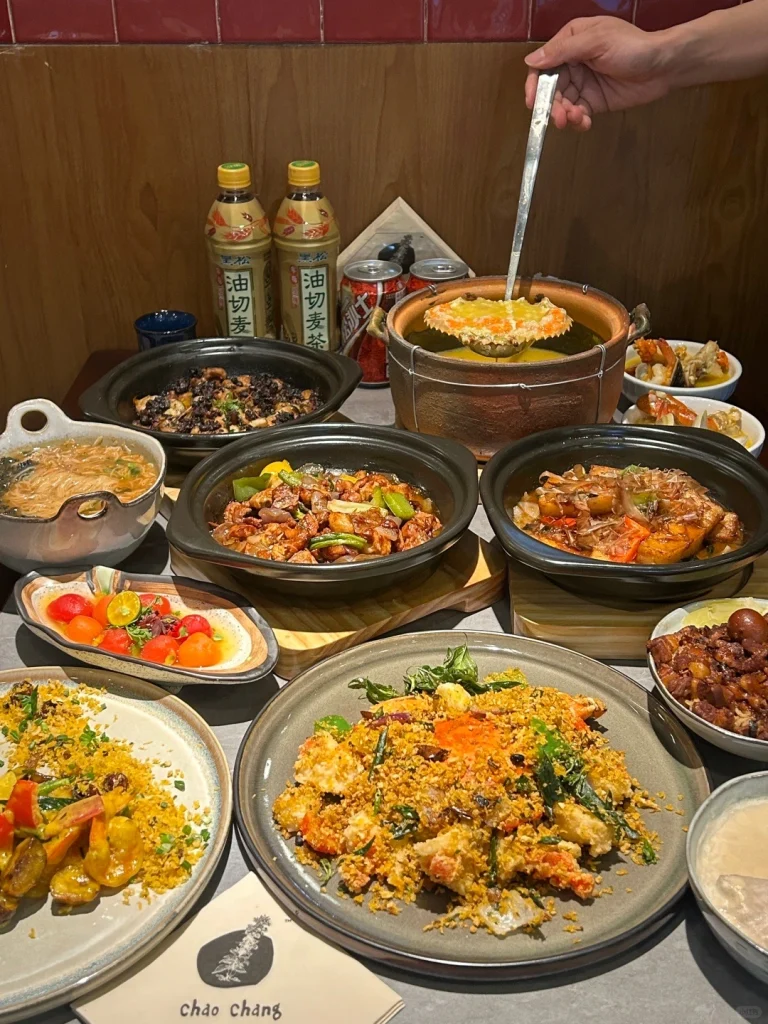
History of Fujian Cuisine
Fujian cuisine, originating over 2,000 years ago, is deeply rooted in the cultural exchange between ancient Minyue traditions and Central Plains influences.
Its development flourished during the Tang and Song dynasties, incorporating red yeast rice into cooking, creating vibrant and aromatic dishes like red wine chicken and red wine fish.
With regional influences from Fuzhou, Minnan, and Minxi, Fujian cuisine emphasizes fresh, light, and flavorful dishes.
Signature techniques like delicate soups, creative use of local ingredients, and refined preparation methods have earned Fujian cuisine a prestigious place among China’s eight major culinary traditions.
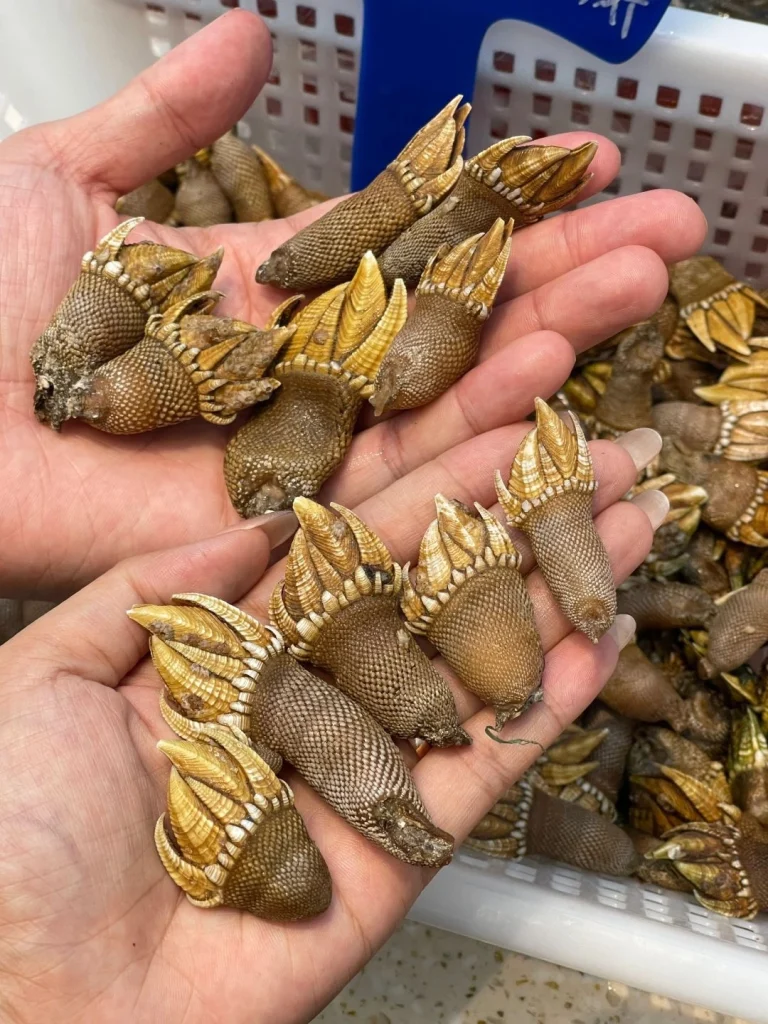
Ingredients of Fujian Cuisine
Nestled between mountains and the sea, Fujian‘s geography provides an abundant variety of ingredients that define its cuisine.
The northern mountains yield delicacies like mushrooms, bamboo shoots, and lotus seeds, while the southern coastline offers a year-round bounty of seafood, including fish, shrimp, and clams.
The fertile plains produce renowned rice, sugar, vegetables, and fruits.
These natural treasures have inspired generations of skilled chefs, celebrated for their expertise in preparing seafood and mastery of cooking techniques such as steaming, braising, stir-frying, and deep-frying.