 admin
admin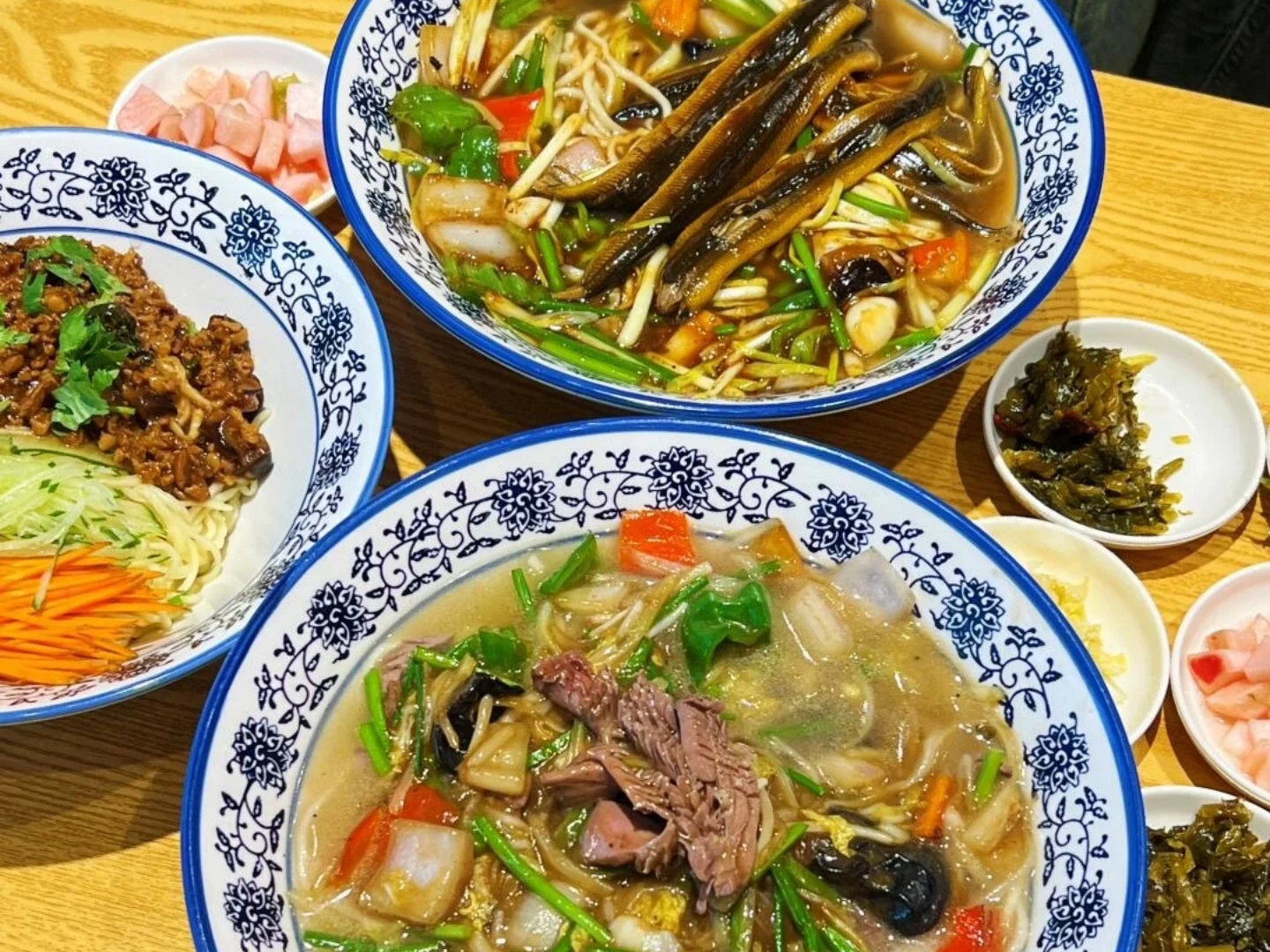
Chinese noodles are a beloved staple with 4,000+ years of history, offering diverse shapes, flavors, and cooking styles across regions—from hand-pulled to
rice noodles.
When you think of Chinese food, there’s a good chance noodles come to mind—and for good reason. Noodles have been part of Chinese life for thousands of years. In fact, archaeologists discovered a 4,000-year-old bowl of noodles at the Lajia site in Qinghai Province, making China one of the earliest places in the world to enjoy this timeless dish.
But Chinese noodles are more than just an ancient recipe—they’re a beloved part of daily life. From the snowy north to the tropical south, from emperors to everyday families, noodles have been served in countless kitchens and street stalls across the country.

In China, noodles stand proudly alongside rice and steamed buns as one of the nation’s essential staples. In the north, hearty wheat noodles often take the lead, while in the south, they offer a flavorful balance to rice-based meals. Whether eaten hot or cold, in broth or dry, spicy or mild—noodles offer endless variety and comfort.
More than just food, noodles are a cultural bond. They bring people together across generations and regions, tying tradition, taste, and identity into every delicious strand.
Origins and Evolution: From Flat Cakes to Long Strands
Chinese noodles didn’t just appear overnight—they have a long and flavorful history that stretches back thousands of years. The story begins in prehistoric China, where early forms of dough-based food were already part of daily life. By the time of the Zhou Dynasty (around 3,000 years ago), historical texts like The Book of Rites described “tang bing,” a boiled dough dish that many consider a proto-noodle.

Han Dynasty
Fast forward to the Han Dynasty, and we see the first real noodle take shape: “shui sou bing,” a water-mixed dough that was stretched or pulled into strands. This is likely the earliest written reference to a noodle-like form. Later, during the Jin Dynasty, the term “suo bing” emerged—meaning coiled or rope-like dough, clearly pointing to long, strand-shaped noodles.
Tang Dynasty
Chinese noodles truly began to flourish during the Tang Dynasty. Cold noodles, or leng tao, became a popular summer dish among poets and nobles alike. Famous Tang-era poems even praised how refreshing they were—“colder than snow on the tongue.”

Song Dynasty
The Song Dynasty marked the golden age of noodle innovation. Street-side noodle shops popped up across cities, offering a wide range of choices. Records from that time mention over 20 different noodle styles, including chicken sliver noodles, pork rib noodles, and even vegetarian varieties.
Ming and Qing dynasties
During the Ming and Qing dynasties, noodle-making became more accessible to common people, thanks to the wider cultivation of wheat in the north. This era saw the rise of many famous regional noodles still loved today—like Shanxi knife-cut noodles and Sichuan dandan noodles.
Noodle Geography: A Flavor Map of China
Northern Kingdoms of Wheat
In northern China, wheat is king—and so are wheat-based noodles. Unlike the rice-heavy south, the colder, drier climate of the north made wheat the staple grain for centuries. That’s why northern noodles are all about bold texture, hearty broth, and rich, savory toppings. Here are some of the most iconic northern noodle dishes you need to know:
Lanzhou Beef Noodles

Perhaps the most famous noodle dish in China, Lanzhou Beef Noodles (Lanzhou niurou mian) are both an art and a science. Each bowl follows the classic five-color rule:
“One clear, two white, three red, four green, five yellow.”
- One clear: the beef broth, slow-cooked to a shimmering clarity
- Two white: sliced radish
- Three red: chili oil
- Four green: fresh cilantro and scallions
- Five yellow: hand-pulled wheat noodles, firm and chewy
What makes this dish stand out is the noodle itself—made fresh to order by skilled hands pulling and folding the dough into perfect strands. You can even choose your noodle thickness, from super thin to wide flat ribbons.
Shanxi Knife-Cut Noodles

In Shanxi Province, noodles are a daily staple and a point of local pride. One of the region’s most unique offerings is Dao Xiao Mian, or knife-cut noodles. These thick, irregular strips are sliced directly from a block of dough into a boiling pot using a sharp blade.
They’re chewy, rustic, and usually served with a rich meat sauce, often made from pork or beef, seasoned with vinegar, garlic, and sometimes tomato or soy paste. The bold flavors match perfectly with the hearty noodles, making this dish a true comfort food.
Henan Stewed Noodles (Huìmiàn)

In central China’s Henan Province, Huìmiàn is the go-to bowl during colder months. These noodles are wide, pulled by hand, and simmered in a flavorful lamb bone broth.
The soup is hearty and aromatic, with added quail eggs, glass noodles, tofu skin, and Chinese dates. It’s often slow-cooked for hours to bring out deep layers of flavor. Locals say this dish “warms the bones”—and it truly does.
Beijing Zhajiangmian

Beijing’s most iconic noodle dish is Zhajiangmian, or “fried sauce noodles.” The heart of the dish is its rich, salty-sweet yellow bean paste, stir-fried with diced pork belly.
It’s traditionally served with eight colorful side toppings—like shredded cucumber, soybeans, radish, and bean sprouts—arranged like a rainbow around the noodles. Locals love it “guo tiao” style, where hot noodles are scooped directly from the pot into your bowl, giving a fresher, more elastic bite.
Yanji Cold Noodles

Up in China’s northeastern city of Yanji, which borders North Korea, Cold Buckwheat Noodles (liang mian) are a summer favorite. Inspired by Korean naengmyeon, this dish uses springy buckwheat noodles in a chilled, tangy beef broth.
It’s topped with sliced beef, half a boiled egg, pickled radish, and even apple or pear for a hint of sweetness. Spicy mustard or vinegar is often added for a refreshing, wake-you-up kick.
Southern Bowl Aesthetics
While northern China is known for bold, chewy wheat noodles, the south has its own noodle magic—light, delicate, and full of layered flavor. Southern noodle dishes often feature clear or spicy broths, aromatic oils, and rice-based noodles. Here’s a taste of the south’s most beloved bowls:
Wuhan Hot Dry Noodles (Re Gan Mian)

This iconic street food from Wuhan may sound like a contradiction—hot dry—but it’s all about balance. Alkaline wheat noodles are cooked, cooled, then tossed with creamy sesame paste, garlic water, soy sauce, chili oil, and topped with pickled vegetables like radish and long beans.
Locals eat this dish for breakfast as part of Wuhan’s “guo zao” (morning eats) tradition. There’s no soup here—just rich, nutty flavor in every bite. Toss it well, and slurp it fast!
Shanghai Yangchun Noodles

In Shanghai, elegance lies in simplicity. Yangchun noodles are all about minimal ingredients and maximum comfort. The name “Yangchun” means “early spring,” a poetic nod to how light and clean this dish feels.
These noodles are served in a clear pork bone broth, often topped with a splash of scallion oil and a few strands of green onion. No fancy toppings. Just a bowl of warmth that’s humble and deeply satisfying.
Chongqing Xiao Mian

If you like spice, welcome to the world of Chongqing Xiao Mian. These fiery noodles from the mountains of southwest China come swimming in red chili oil broth, and each vendor has their own secret blend of 20+ seasonings and toppings.
Common ingredients include pickled mustard greens, minced beef, crispy soybeans, scallions, and Sichuan peppercorns for that signature numbing heat. It’s spicy, it’s bold, and it’s wildly addictive.
Cantonese Wonton Noodles

In Guangzhou and across southern China, Wonton Noodles are a beloved comfort dish. The noodles, made from egg and high-gluten flour, are famously thin and springy—often called “bamboo noodles” because they’re traditionally pressed with a bamboo pole.
They’re served in a light shrimp or pork bone broth and topped with freshly made shrimp wontons. The broth is clear but deeply umami, and every bite is a perfect balance of bounce and delicacy.
Yunnan Crossing-the-Bridge Rice Noodles

This dish is not just a meal—it’s an experience. Crossing-the-Bridge Noodles (guoqiao mixian) come with a big bowl of steaming hot chicken broth, and a tray of raw ingredients: sliced meat, vegetables, quail eggs, tofu skin, and rice noodles.
Each ingredient is added to the bowl in a specific order, cooking instantly in the hot broth. The name comes from a local legend about a woman crossing a bridge daily to bring hot soup to her husband—thus, the layered ritual began.
Guilin Rice Noodles (Guilin Mifen)

From Guangxi Province, Guilin rice noodles are famous for their sour, savory broth, made from slow-cooked pork or beef bones and fermented bamboo shoots. You can eat them dry (ganban) with spicy gravy and toppings, or in soup with fresh herbs and chili oil.
Typical toppings include peanuts, sliced beef, pickled vegetables, and fried tofu puffs. It’s a dish packed with flavor, texture, and local pride.
Minorities & Borderland Flavors
China’s border regions are home to rich cultural diversity—and that includes their noodles. Influenced by local ingredients, ethnic traditions, and nomadic lifestyles, these noodle dishes offer bold flavors, hearty portions, and stories that go beyond the bowl.
Xinjiang Laghman (Pulled Noodles)

In the far northwest, Xinjiang’s Uyghur community brings us Laghman, a dish that’s all about strength and spice. The noodles are hand-pulled and stretched into thick strands, then stir-fried with lamb, tomatoes, bell peppers, garlic, and cumin.
The flavor is bold and earthy, often with a slight chili kick. It’s typically served dry or with a small ladle of broth. This dish reflects the fusion of Central Asian and Chinese culinary traditions—and it’s as satisfying as it is flavorful.
Tibetan Thukpa-style Noodles

On the high-altitude Tibetan Plateau, warmth is key—and that’s exactly what Tibetan-style noodles deliver. Inspired by the Himalayan dish Thukpa, Tibetan noodles are served in a rich yak bone broth, often flavored with ginger, garlic, and herbs.
The noodles themselves are hand-cut and slightly alkaline, giving them a firm bite. Common toppings include yak meat, Tibetan sausage, or dried turnip greens, creating a deeply nourishing and energy-packed meal perfect for life at altitude.
Guizhou Lamb Rice Noodles

In the lush mountains of southwest China, Guizhou is famous for its love of sour and spicy flavors. Lamb rice noodles from this region are a perfect example. These noodles are served in a bright, chili-infused bone broth, topped with slices of lamb, pickled greens, tofu, and sometimes boiled eggs.
The secret lies in the fermented sour broth, often made with local vegetables. A spoonful of roasted chili oil finishes the bowl, creating a bold, tangy, and warming noodle experience like no other.
Across East and Southeast Asia
Chinese noodles didn’t stay within China’s borders—they traveled, evolved, and took root across Asia. From Japan and Korea to Vietnam and Indonesia, Chinese noodle traditions inspired countless local versions, each with its own twist.
Japanese Ramen

Believe it or not, Japan’s beloved ramen has Chinese roots. It was originally introduced in the 19th century by Chinese immigrants as “shina soba,” a simple wheat noodle soup.
Today, Japanese ramen has become a world-famous dish with countless regional styles—soy sauce (shoyu), miso, tonkotsu (pork bone), and salt-based (shio) broths are just the beginning. While the flavors and presentation have evolved, the technique of alkaline wheat noodles and savory broth still reflect its Chinese lamian heritage.
Korean Myeon & Japchae

In Korea, the word “myeon” simply means noodles, but it covers a wide variety of styles. Cold noodles like naengmyeon, made from buckwheat or sweet potato starch, are often enjoyed during hot summers with icy broth and mustardy spice.
Another favorite is japchae, a stir-fried glass noodle dish made from sweet potato starch, mixed with vegetables, meat, and a sweet-savory soy sauce glaze. Though Korean in identity today, these noodles trace back to historical Chinese influence via trade and cultural exchange.
Southeast Asian Adaptations

Across Southeast Asia, Chinese noodles merged with local flavors to create something new—and delicious.
- Mee Pok (Singapore & Malaysia): Flat egg noodles tossed in a savory soy-vinegar sauce with minced pork, fish balls, and fried shallots.
- Pho (Vietnam): Though now a Vietnamese icon, pho’s flat rice noodles and clear beef broth show clear roots in Chinese and French culinary influence.
- Mee Pangsit (Indonesia): A dry or soupy noodle dish served with wontons, roast chicken, and sweet soy sauce—clearly inspired by Cantonese wonton noodles.
Craftsmanship: The Alchemy of Dough and Broth
Chinese noodles aren’t just food—they’re craftsmanship in motion. Behind every bowl is a perfect balance of dough, technique, broth, and toppings. Let’s pull back the curtain and see what makes each strand so magical.
1. The Dough Matters

It all starts with the dough—and not all doughs are created equal. In the north, noodles are made from wheat flour, often high in gluten for that strong, chewy bite. In the south, where rice grows in abundance, noodles are more often made from rice or buckwheat, producing a smoother, slippery texture.
In minority and border regions, you’ll even find noodles made from millet, sorghum, corn, or even sweet potato starch. The ingredients reflect not just taste preferences, but also the local geography and lifestyle.
So whether you’re slurping firm Lanzhou lamian or light Yunnan rice noodles, the dough tells a story of place.
2. Types of Noodle-Making Techniques
Chinese noodles come in all shapes—and those shapes come from time-honored techniques:
- Pulled (Lamian): Think Lanzhou beef noodles. The dough is pulled, stretched, and folded repeatedly until it becomes dozens of thin strands. In Xinjiang, the dough is slapped and whipped on a counter for elasticity.

- Shaved (Dao Xiao): A block of dough is held close to a boiling pot, and thin slices are shaved directly into the water using a sharp knife or iron blade. Each piece is thick, uneven, and satisfyingly chewy.

- Pressed or Extruded: In Cantonese kitchens, “bamboo noodles” are made by pressing dough under a thick bamboo pole. In Hebei and elsewhere, dough is pushed through machines to form uniform strands.

- Knife-Sliced, Hand-Cut, or Rolled: Traditional techniques that require practiced hands. These noodles might not look perfect, but their rustic texture and handmade feel are part of their charm.

Each method produces a different texture—from delicate and slurpable to thick and toothsome.
3. The Broth and Sauce Philosophy

What goes around the noodles matters just as much as the noodles themselves. In the north, the focus is often on “lu”—dry sauces or braised toppings. You’ll find hearty combinations like zhajiang (fried bean paste with pork), tomato and egg, or savory minced meat ladled over noodles.
In the south, it’s all about the soup. Whether it’s a clear, clean broth like in Suzhou’s red soup noodles or a rich, layered one like Yunnan’s crossing-the-bridge mixian, the soup is the soul of the bowl.

Signature stocks often use a blend of pork bones, chicken, and beef, simmered slowly for 6 to 8 hours. Some broths are clean and bright; others are deep and milky. Either way, the result is always full of flavor.
4. Toppings & Garnishes

No bowl is complete without its finishing touches. In Chinese cuisine, these are called “jiao tou”—the toppings that give a noodle dish its final flavor and personality.
Some are hot and bold, like stir-fried eel, pork liver, or spicy ground meat. Others are cool and refreshing, like tofu skin, pickled veggies, or braised gluten.
Different regions have their own topping traditions:
- Shaanxi’s oil-splash noodles use garlic and chili flakes topped with hot smoking oil to release their full aroma.

- Anhui’s spicy noodles are dressed in red chili oil, pickled radish, and braised egg or tofu for a balanced bite.

Each bowl is a canvas—and the toppings are the final brushstrokes.
Noodle as Culture: Symbolism and Social Ritual
In China, noodles aren’t just something you eat—they’re full of meaning. From birthdays to farewells, they carry deep cultural messages about life, health, family, and respect. A bowl of noodles can say more than words ever could.
Longevity Noodles: A Birthday Tradition

One of the most cherished noodle customs in China is the “longevity noodle” (shou mian). These are extra-long noodles served during birthdays—especially for elders—as a symbol of long life and good fortune. The idea is simple: the longer the noodle, the longer the life.
This tradition dates back to the Tang Dynasty, where “suo bing” (long, rope-like dough) was used in royal birthday banquets. Even today, you’ll see bowls of longevity noodles at birthday dinners, often topped with an egg (symbolizing rebirth) or red dates (for good luck).
Just don’t break the noodles—it’s considered unlucky!
Noodles in Social Etiquette

Noodles also play a role in hospitality. In many parts of China, it’s common to serve noodles to welcome guests or bid them farewell. A warm bowl means “you’re always welcome” or “we wish you a smooth journey.”
In northern China, there’s even a saying: “Dumplings for welcome, noodles for goodbye.” So if someone offers you noodles before you travel—it’s more than just food. It’s a heartfelt send-off.
In Poetry and Folklore
Noodles have inspired more than recipes—they’ve made their way into Chinese poetry and legends.

The famous poet Du Fu once described eating cold noodles in summer as being “colder than snow on the tongue.” And many folk tales explain the origin of certain noodles: for example, knife-cut noodles (dao xiao mian) are said to have been created during Mongol rule, when metal blades were banned, so cooks used flat iron to slice dough instead of knives.
From ancient verses to local legends, noodles have been woven into the very fabric of Chinese storytelling.
Taste the Tradition: A Guide for Global Food Lovers

So, you’re ready to dive into the world of Chinese noodles—but where should you start? With hundreds of styles across the country, trying them all might feel overwhelming. Don’t worry—we’ve got you covered.
Whether you’re a first-time slurper or a seasoned foodie, this guide will help you explore Chinese noodles like a local.
Beginner-Friendly Entry Paths
Here are three delicious paths to begin your noodle journey—each offering something different in texture, flavor, and spice:
🥢 Northern Textural Series

If you love a good bite and chew:
- Lanzhou Beef Noodles: Smooth and springy, perfect for broth loversTravel planning services
- Shanxi Knife-Cut Noodles: Wide, uneven slices with hearty sauces
- Shaanxi Hand-Torn Noodles (Biang Biang Mian): Bold, rustic, and satisfying
🍜 Southern Soup Series

Light, layered flavors in cozy broths:
- Suzhou Red Soup Noodles: Clear broth with subtle sweetness
- Guilin Rice Noodles: Sour, savory, with lots of texture
- Yunnan Crossing-the-Bridge Noodles: A fun DIY experience in one bowl
🌶️ Spicy Adventure Track

For chili lovers who like it hot:
- Chongqing Xiao Mian: Spicy but balanced—start here
- Guizhou Lamb Noodles: Medium heat with a sour twist
- Sichuan Dan Dan Noodles: Intense numbing spice and peanuty richness
Pick one route or mix them all—there’s no wrong way to noodle.
Eating Etiquette & Practical Tips

Enjoying Chinese noodles isn’t just about taste—it’s also about how you eat them. Here are a few insider tips:
- Slurping is welcome: Making noise shows appreciation. Don’t be shy—it’s not rude!
- Mix dry noodles well: Use the “3-twist technique”—lift, swirl, and toss three times to spread the sauce evenly.
- Regional pairings matter:
- In the north, raw garlic is often eaten alongside strong, meaty noodles.
- In the south, a dash of vinegar is added to brighten the broth.
It’s the little things that make the meal.
Cultural Taboos and Respect

If you want to enjoy noodles like a local, a little cultural awareness goes a long way:
Zodiac fate readings
- Never cut noodles during celebrations: Especially on birthdays or weddings. Long noodles symbolize long life and happiness—cutting them is considered unlucky.
- Be mindful of dietary customs:
- Hui Muslims (common in northwest China) do not eat pork.
- In Tibetan regions, raw or undercooked meat is avoided for religious reasons.
If you’re eating in someone’s home or a local restaurant, showing this kind of respect is always appreciated.
Beyond Taste: Modern Debates and Global Trends
Chinese noodles have stood the test of time—but they’re still evolving. In today’s fast-moving world, noodles aren’t just a comfort food; they’re part of larger conversations around health, culture, convenience, and craftsmanship. Let’s explore some of the hot topics stirring the noodle pot.

1. “The Best Noodle” Debate
Ask five people what the best noodle is, and you’ll get five very different answers.
- Do you prefer your noodles chewy or silky smooth?Groceries
- Are you team thick and hand-cut or thin and delicate?
- Love a spicy broth that kicks, or a light, clean soup?
There’s no universal winner—and that’s the beauty of it. Noodles reflect personal taste, local tradition, and even childhood memories. So instead of looking for the “best,” it’s better to explore and enjoy the diversity.
2. Health and Innovation

Traditionally, Chinese noodles are made with refined wheat flour, which means they’re high in carbs and low in fiber. But with modern diets shifting, new versions have entered the scene:
- Whole wheat and multigrain noodles for more fiberChina travel guides
- Vegetable-infused noodles (like spinach or carrot) for color and nutrients
- Low-carb options like konjac or oat-based noodles for diabetics or keto diets
You can now enjoy noodles without the guilt—just check the ingredients and cooking style.
3. Handmade vs. Machine-Made

These days, about 90% of noodles on the market are machine-made—a practical solution to feed busy, modern lives. But that doesn’t mean handmade noodles are going away.
In fact, many traditional noodle techniques—like hand-pulled lamian or knife-shaved dao xiao mian—have been recognized as intangible cultural heritage by UNESCO or local governments.
Machine-made noodles may be fast and uniform, but handmade noodles carry texture, tradition, and soul. When possible, it’s worth tasting both.
4. Instant Noodles & Industrialization

We can’t talk about modern noodles without mentioning the global game-changer: instant noodles.
Invented in 1958 by Momofuku Ando of Nissin (yes, the Cup Noodles guy), instant noodles were inspired by traditional Chinese fried wheat noodles. They’re cheap, quick, and available in every corner store—from Beijing to Boston.
They’ve helped spread Asian noodle culture worldwide, especially among students, travelers, and busy professionals. But there’s a downside too:
Instant noodles often mask the depth and diversity of real regional noodle dishes, offering convenience over craft.
That said, they’ve played a huge role in turning noodles into a global icon—and for that, they deserve some respect (and maybe a soft-boiled egg on top).

Glossary of Noodle Terms
- Mian (面) – Mandarin word for noodles, typically wheat-based.
- Lamian (拉面) – “Pulled noodles” made by stretching dough by hand; famous in Lanzhou.
- Fun (粉) – Generic term for rice noodles in southern China (e.g., ho fun, he fen).
- Mein – Cantonese pronunciation of “mian,” used in dishes like “wonton mein.”
- Mee – Used in Malaysia, Singapore, and Indonesia to describe Chinese-style noodles (e.g., mee goreng).
- Naengmyeon – Korean cold buckwheat noodles.
- Udon / Soba / Ramen – Japanese adaptations of Chinese noodles, now culturally distinct.
- Pho – Vietnamese flat rice noodle soup, influenced by southern Chinese and French cuisine.
Comparison Table: Chinese Noodles at a Glance
| Noodle Type | Main Ingredient | Shape | Cooking Style | Famous Region |
|---|---|---|---|---|
| Lamian (Pulled Noodles) | Wheat Flour | Thin strands | Hand-pulled, cooked in broth | Lanzhou, Xinjiang |
| Knife-Cut Noodles | Wheat Flour | Thick, irregular ribbons | Sliced into boiling water | Shanxi |
| Rice Noodles (Fun) | Rice Flour | Flat or round | Boiled or stir-fried | Guangxi, Yunnan, Guangdong |
| Wonton Noodles | Egg + Wheat | Thin, springy strands | Boiled in broth | Guangdong, Hong Kong |
| Dan Dan Noodles | Wheat Flour | Thin strands | Dry mix with chili and sesame sauce | Sichuan |
| Crossing-the-Bridge Noodles | Rice Flour | Round, smooth strands | Assembled in hot broth | Yunnan |