 admin
admin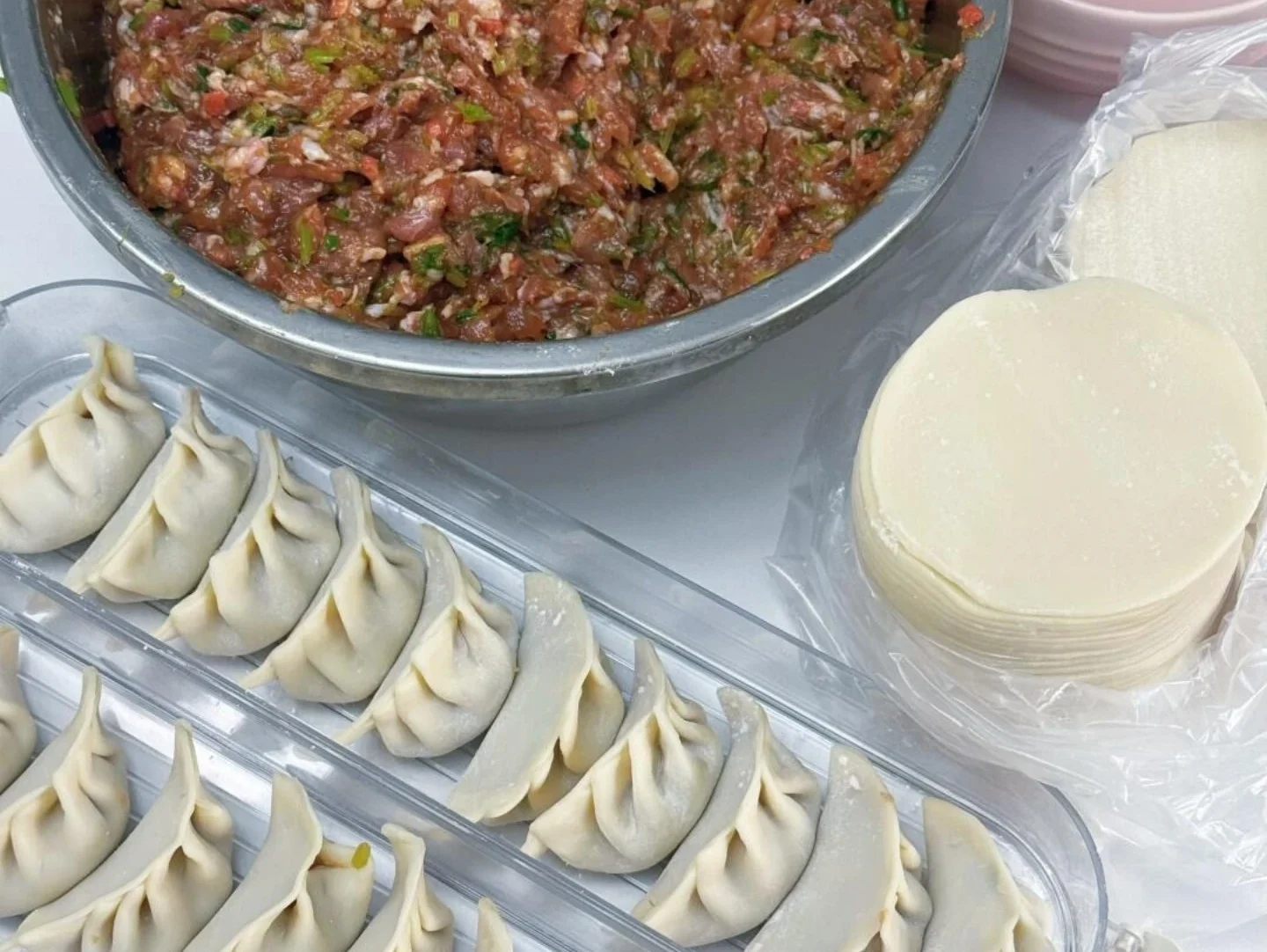
Dumplings, a traditional Chinese dish, are made by wrapping
minced meat or vegetables in
dough, then boiling, steaming, or frying.
What Are Chinese Dumplings?
Chinese dumplings, known as jiaozi (饺子), are more than just food—they’re a taste of tradition, a symbol of family reunion, and a staple at holiday gatherings like Chinese New Year. Shaped like ancient gold ingots, they carry the meaning of luck, wealth, and togetherness.

So iconic are dumplings that they’ve even made it onto UNESCO’s tentative list for Intangible Cultural Heritage, showing just how deeply they’re woven into Chinese life and identity.
Origins and History of Chinese Dumplings
Legendary Beginnings
Chinese dumplings have a heartwarming origin story. According to legend, they were invented over 1,800 years ago by Zhang Zhongjing, a famous doctor from the Eastern Han Dynasty. To help villagers suffering from frostbitten ears in winter, he wrapped lamb, herbs, and chili in dough, boiled them, and gave them out as medicine. These early dumplings were called Jiao’er, meaning “tender ears”—and they warmed both bodies and hearts.

Archaeological Evidence
This isn’t just legend. Archaeologists found real dumplings dating back over 1,300 years in a Tang dynasty tomb in Xinjiang. Amazingly, they look very similar to today’s dumplings—proof that this comfort food has stood the test of time.
Historical Evolution
Dumplings have evolved through China’s long history:
- Tang Dynasty: Known as laowan, dumplings were steamed and served in soups.
- Song Dynasty: The name jiaozi became popular. They were especially enjoyed during the Spring Festival, symbolizing blessings for the year ahead.
- Ming and Qing Dynasties: Dumplings became the star of New Year’s Eve. Families stayed up late to wrap dumplings together, marking the transition from old year to new.
From ancient medicine to holiday tradition, dumplings grew into a beloved food that’s deeply tied to Chinese identity and celebration.

A Dumpling Map of China
Chinese dumplings aren’t just one dish—they’re a whole world of flavors. Depending on where you are in China, dumplings look and taste very different. Let’s take a tour through China’s regional dumpling styles!
1. Northern Dumplings: Bold and Savory
In the north, dumplings are hearty and wheat-based. The skin is thicker, the fillings are rich, and vinegar with garlic is a must for dipping.
- Northeast Suan Cai Dumplings: These feature fermented cabbage (suan cai) mixed with pork. Tangy and savory, they’re a perfect winter comfort food.

- Shandong Mackerel Dumplings: Made with minced fish, chives, and a touch of lard, these coastal dumplings are soft, juicy, and full of ocean flavor.

- Beijing Three-Treasure Dumplings: A festive favorite combining shrimp, pork, and leek. Locals say, “one bite, three flavors.”

2. Southern Dumplings: Creative with Texture
Southern dumplings are all about delicate skins and creative ingredients—often served in soup or with dipping sauces.
- Cantonese Shrimp Dumplings (Har Gow): Made with a crystal-clear skin from wheat starch and tapioca, these dim sum classics are filled with whole shrimp and bamboo shoots.

- Shanghai Wontons: Known locally as big dumplings, these are stuffed with pork and leafy greens, served in a light broth with seaweed and egg ribbons.

- Sichuan Zhong Dumplings: Soft and juicy, these dumplings are bathed in a sweet-and-spicy red chili oil, topped with minced garlic.

3. Ethnic & Regional Variations
China’s 56 ethnic groups bring their own dumpling traditions—each telling a cultural story.
- Mongolian Steamed Dumplings (Buuz): These thick-skinned dumplings are filled with beef or mutton and eaten with milk tea. They’re steamed, not boiled.

- Tibetan Drebu Dumplings: Shaped like gold ingots and filled with yak meat and radish. These are festival must-haves in Tibet.

- Hakka Taro Dumplings: Soft, chewy skins made from mashed taro and tapioca flour, wrapped around a savory mix of pork and mushrooms.

How Dumplings Are Made: From Dough to Delicious
Making dumplings is part kitchen craft, part family tradition, and all delicious. Whether you’re in a bustling Chinese kitchen or trying it at home, here’s how dumplings come to life—from flour to feast.
1. Dough Techniques

The dough is the foundation—and it changes based on region and cooking style.
- North China uses cold water to make a firm dough, perfect for rolling thin skins that hold up during boiling.
- South China prefers hot water or boiling water to create soft or crystal-clear dough, great for steaming dumplings like har gow.
- Festive twists include using natural juices like spinach (green), beetroot (pink), or dragon fruit (red) to make colorful dumpling skins—popular during holidays or parties.
2. Filling Rules

Great dumplings start with balanced fillings—juicy, flavorful, and sealed just right.
- Protein + veggie combo: A classic ratio is 70% lean pork to 30% fat for juiciness, mixed with vegetables like napa cabbage or leeks.
- Regional secrets:
- Shandong adds soy sauce to give the meat a rich color.
- Shaanxi uses peppercorn water to remove any gamey taste and add fragrance.
- Northeast dumplings with suan cai (pickled cabbage) are carefully drained so the wrappers don’t break.
- Vegetarian favorites: A mix of scrambled eggs, wood ear mushrooms, glass noodles, and sesame oil for flavor.
3. Wrapping Styles

There’s more than one way to wrap a dumpling, and each shape has its own flair.
- Crescent pleats: The most common, with 12–15 small folds.
- Willow leaf shape: Pointed at both ends, often seen in soup dumplings.
- Triangle folds: Great for sweet dumplings to keep the filling secure.
4. Cooking Methods

How dumplings are cooked changes their flavor and texture. Try them all!
- Boiled: Classic northern method—soft, juicy, and served hot from the pot.
- Pan-fried: Known as potstickers, with a crispy golden bottom and soft top.
- Steamed: Keeps the wrapper chewy—common in southern dishes like shrimp dumplings.
- Baked: In Xinjiang, dumplings are baked in clay ovens like bread, filled with lamb and spices.
Culture Behind Dumplings
Dumplings aren’t just food—they’re tradition, celebration, and togetherness wrapped in dough. Across China and beyond, these little pockets of flavor carry big meaning.

1. Dumplings in Celebrations
Dumplings are a must during major festivals and life events. Their shape, like ancient Chinese silver ingots, symbolizes wealth and good fortune.
- New Year’s Eve: Families gather to wrap dumplings and eat them at midnight. It’s called “crossing into the new year,” and some hide a coin inside one for good luck.
- Winter Solstice: In northern China, there’s a saying: “Eat dumplings so your ears won’t freeze.” This ties back to the legend of Zhang Zhongjing, who made ear-shaped dumplings to treat frostbite.
- Weddings: Special fillings like peanuts (for fertility) and red dates (for happiness) are used in dumplings shared with the bride and groom.
2. Symbol of Family and Harmony

Making dumplings is often a group activity, where generations come together—grandparents roll the dough, parents fill, and kids pinch the edges.
- It’s more than food—it’s family bonding.
- In northern hospitality:
- Guests are greeted with dumplings.
- Departing friends are served noodles.
- This shows both warmth and respect through food.
3. Dumplings in Art & Literature

Dumplings are everywhere in Chinese culture—from books to big screens.
- In the film Eat Drink Man Woman by Ang Lee, dumpling-making is a symbol of love, connection, and unspoken emotion.
- Poet Lu You wrote verses about sharing dumplings in the cold, highlighting how they bring comfort and joy.
- And in Tianjin, the famous handmade dumpling brand Goubuli Baozi is recognized as a national intangible cultural heritage for its craftsmanship.
Modern Innovations and Global Reach
Chinese dumplings have come a long way—from family kitchens to freezer aisles and fusion menus around the world. Let’s take a bite into how these tasty treasures have adapted to modern times.

1. Industrialization & Convenience
Today, dumplings aren’t just made at home—they’re mass-produced and sold worldwide.
- Frozen dumplings from brands like Sanquan and Synear are now kitchen staples in China and beyond.Zodiac fate readings
- In 2024, the market for frozen dumplings hit 87 billion RMB, proving their popularity and convenience.
- Health trends are shaping new versions:
- Whole-wheat wrappers for more fiber
- Low-GI skins made with konjac flour
- Plant-based fillings for vegetarians and eco-conscious eaters
Quick, tasty, and modern—dumplings have become both a comfort food and a convenient snack.
2. Global Variations

Dumplings have inspired fun twists around the world, blending local taste with Chinese roots:
- Fortune cookies (USA): While not technically dumplings, their “hidden message” idea comes from the tradition of hiding coins in dumplings during Chinese New Year.
- Jiaozi Pizza (UK): Dumpling fillings like pork and cabbage are spread on a pizza crust—a creative East-meets-West combo.
- Dumpling Rice (Nigeria): Local Chinese restaurants pair dumplings with cassava mash, adapting the meal to regional tastes.
These international versions may look different, but they share the same dumpling spirit—flexibility, comfort, and fun.
3. Challenges & Cultural Misunderstandings

As dumplings go global, some confusion comes along too.
- Machine-made vs. hand-wrapped: Purists say machines can’t match the love and texture of hand-pinched dumplings, while others prefer the speed and price of factory-made ones.
- Wontons are not dumplings: Though similar, they differ in:
- Skin thickness: Dumpling skins are thicker and more elastic.
- Shape: Dumplings are usually crescent-shaped, while wontons are often square or folded loosely.
- Filling & cooking: Wontons are often boiled in broth; dumplings can be boiled, steamed, pan-fried, or even baked.
Understanding these details helps preserve the true flavors and meanings of Chinese dumplings across cultures.
A Dumpling Guide for International Visitors
Curious about trying real Chinese dumplings or maybe making your own? Whether you’re traveling in China or cooking at home, this guide will help you enjoy dumplings like a local.

1. Where to Try
Want to taste authentic flavors? These are some famous places to explore:
- Northern China
- 🥟 Si Shi Tong Tang in Beijing — classic pork and cabbage dumplings in a traditional setting
- 🥟 Lao Bian Jiaozi in Shenyang — famous for its flavorful fillings and delicate dough
- Southern China
- 🥟 Dian Du De in Guangzhou — try crystal-skin shrimp dumplings as part of dim sum
- 🥟 Er Guang Wonton in Shanghai — big, soupy dumplings served with seaweed and egg
- Unusual Finds
- 🥟 Haierbag Restaurant in Xinjiang — baked lamb dumplings with a naan-like crust
- 🥟 Buryat dumpling stalls in Inner Mongolia — thick-skinned beef dumplings paired with milk tea
No matter the region, you’ll find a version that fits your taste.
2. How to Eat

Eating dumplings the right way makes the experience even better:
- Dipping Sauce Tips
- North: Vinegar + mashed garlic for a punchy kick
- South: Light soy sauce + ginger strips
- Sichuan: Chili red oil for heat and aroma
- Mind Your Bite
Always eat the whole dumpling in one bite—biting in half is considered impolite (and messy!). - Watch for a Surprise
During the Spring Festival, some families hide a coin inside a dumpling. If you find it, it means good luck for the year!
3. Home-Cooking Tips

Want to make dumplings yourself? Start simple and have fun!
- Easy Fold for Beginners: Use the triangle fold—no pleating, just pinch and seal
- Avoid Breakage: Make sure your filling is drained well to keep the skin from tearing
- Make It Fun: Use cookie cutters to shape wrappers into stars or hearts—perfect for kids or festive meals
Nutritional Facts and Healthy Dumplings
Dumplings may be comfort food, but they don’t have to weigh you down. With the right choices, they can fit into a healthy lifestyle.
Calorie Breakdown (per 5 dumplings)
| Cooking Method | Calories | Notes |
|---|---|---|
| Boiled | ~200–250 kcal | Lightest option, no added fat |
| Steamed | ~220–270 kcal | Retains more moisture, slightly chewy |
| Pan-Fried | ~300–350 kcal | Crispy bottom, extra oil adds calories |
Tip: Choose boiled or steamed if you’re watching your calorie intake.
Low-Fat, High-Fiber Options
- Wrapper Tips:
- Go for whole-wheat wrappers for added fiber
- Avoid crystal skin if you’re limiting starch (it’s made from refined starches)
- Filling Ideas:
- Lean meats like chicken or turkey
- Fiber-rich veggies such as mushrooms, cabbage, and spinach
- Add a spoon of chia seeds or tofu bits for protein and texture
Dumplings for Diabetics and Vegetarians
- Diabetic-Friendly Picks:
- Use low-GI wrappers made from konjac or buckwheat flour
- Go light on soy sauce and skip sugary dipping sauces
- Vegetarian Favorites:
- Egg + mushroom + vermicelli
- Tofu + bok choy + sesame oil
- Sweet potato + kale with garlic
These combinations are not only nutritious but also rich in flavor.
Balance Your Dumpling Meal
To make your dumpling meal healthier:
- Add a Side of Greens: Steamed broccoli, bok choy, or a light cucumber salad
- Include a Broth-Based Soup: Helps with digestion and keeps portions in check
- Avoid Overdipping: Use a small dish of sauce to control sodium intake
Global Comparison Table: Dumplings Around the World
| Aspect | Chinese Dumplings | Italian Ravioli | Japanese Gyoza |
|---|---|---|---|
| Skin Ingredients | Wheat or rice flour | Wheat + egg (machine made) | Thin wheat skin |
| Filling Features | Savory combos by region | Cheese + meat | Pork, cabbage, soy-based |
| Cooking Method | Boil, steam, fry, bake | Boiled + sauce | Fry then steam |
| Cultural Role | Festival, family symbol | Daily food, machine-based | Bar food, fast food |