 admin
admin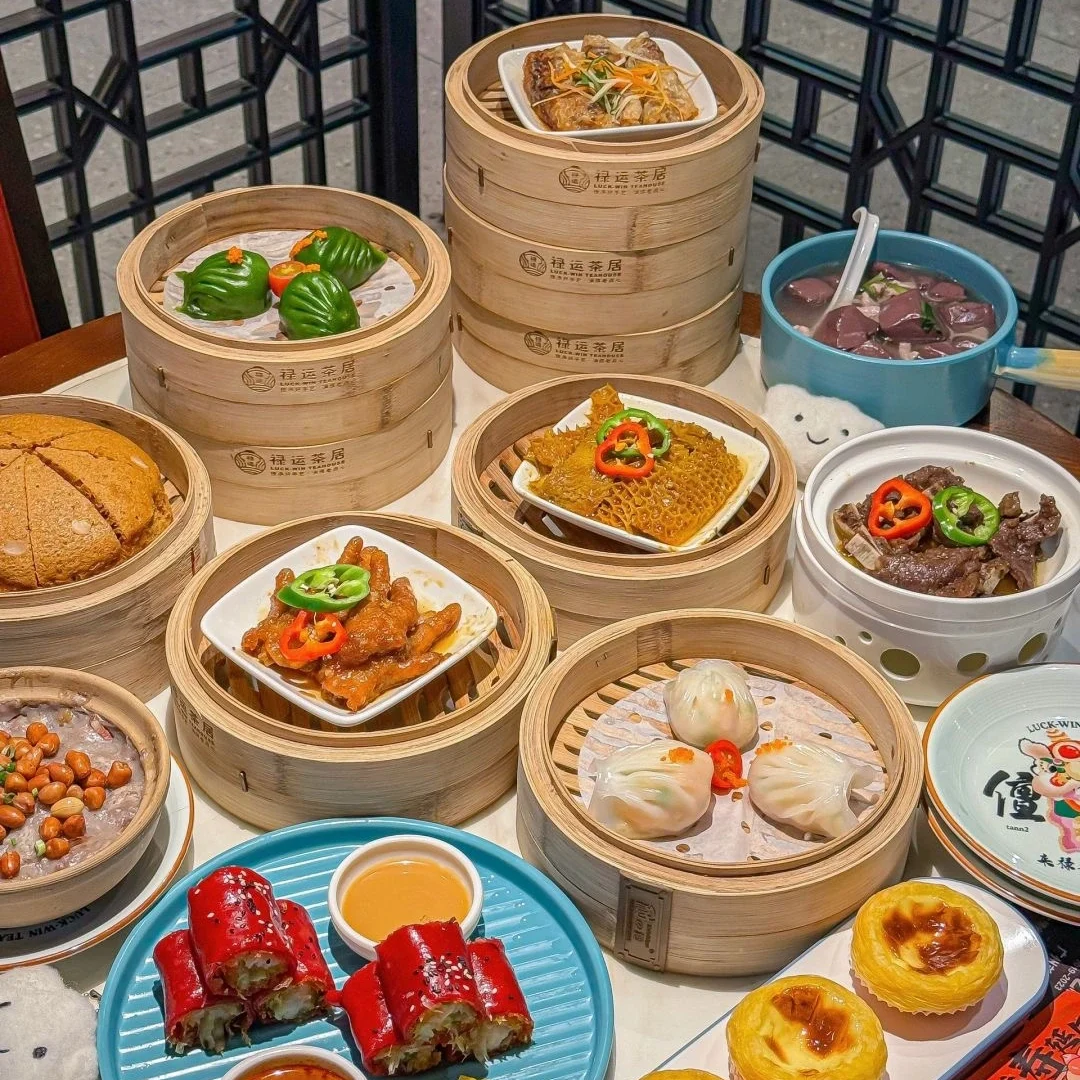
Explore China’s Eight Great Cuisines: a culinary journey through the rich flavors and regional specialties of Lu, Chuan, Yue, Su, Zhe, Min, Xiang, and Hui cuisines
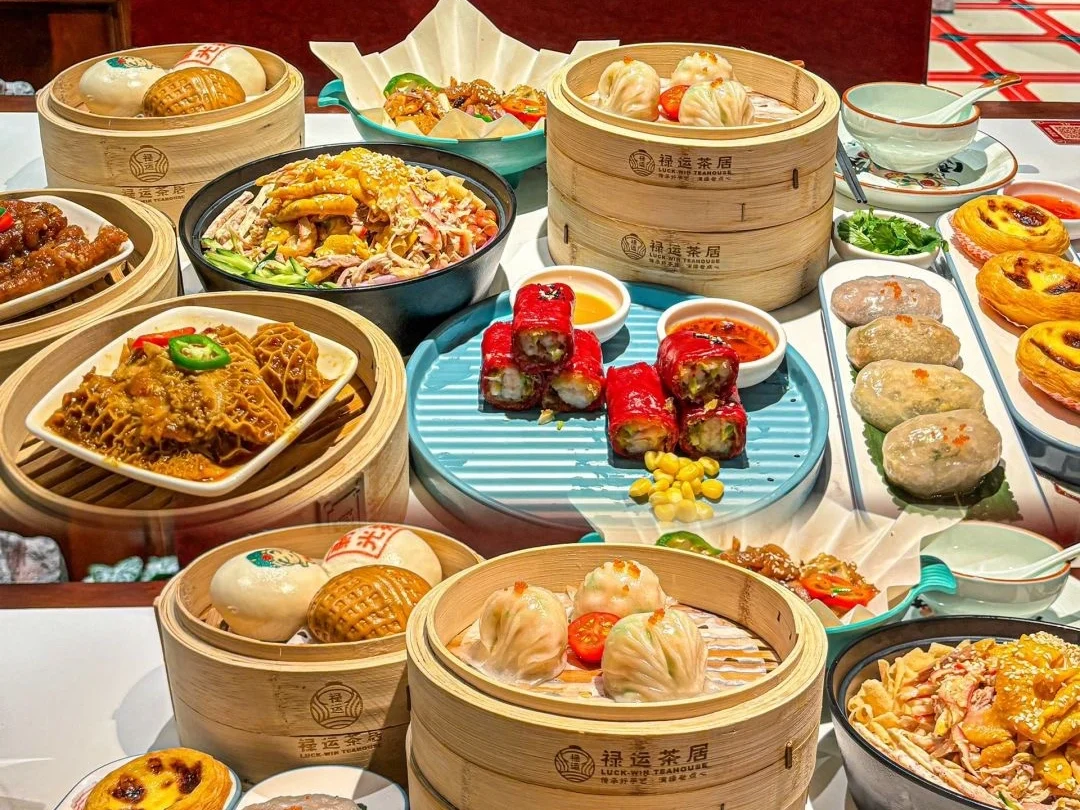
As the camera pans over the northeastern snowy landscapes of sauerkraut and pork hot pot, the steamy shrimp dumplings in bamboo baskets from Lingnan, the bubbling spicy hotpot in Sichuan and Chongqing, or the clear water caltrop soup from Jiangnan’s delicate porcelain bowls, one thing becomes clear—the “flavors of China” are a masterpiece woven from diverse regions, climates, and cultural stories.

Chinese cuisine is never a mere replication of flavors; it’s a vibrant map of taste, shaped by natural environments and local traditions. From the cold temperate forests of the northeast to the tropical islands of the south, from fertile plains to steep mountain valleys, each region nurtures its own unique ingredients and cooking techniques. These blend together to form the rich, profound culinary culture of China.
What Are the “Eight Major Cuisines”?

Definition and Origins
The Eight Major Cuisines of China are a product of centuries of culinary evolution, officially established during the Ming and Qing dynasties. As China’s economy prospered and trade networks expanded, regional ingredients began circulating more freely. Scholars and food critics started to systematize these diverse flavors, which had once been scattered across the country. By the late Qing Dynasty and early Republic of China period, the structure for the Eight Major Cuisines was set.
Groceries
The Core Logic Behind the Cuisine Classification
The classification of the Eight Major Cuisines is deeply rooted in geographical and climatic factors.
- Geography plays a key role:
- Climate influences flavor:
- The humid, rainy climate in Sichuan led to spicy and numbing dishes, while Guangdong’s warm climate favors light and fresh flavors.
Overview of the Eight Major Cuisines
| Cuisine | Key Flavor Profile | Regional Features | Signature Dishes | Cooking Techniques | Cultural Tagline |
|---|---|---|---|---|---|
| Lu (Shandong) | Salty, savory, crispy, and umami-rich | Northern plains, dry climate, rich in grains & seafood | Nine-Turn Intestines, Braised Sea Cucumber, Dezhou Braised Chicken, Oil Shrimp | Quick stir-fry (bao), braising, roasting, pan-frying | Origin of imperial & official cuisine |
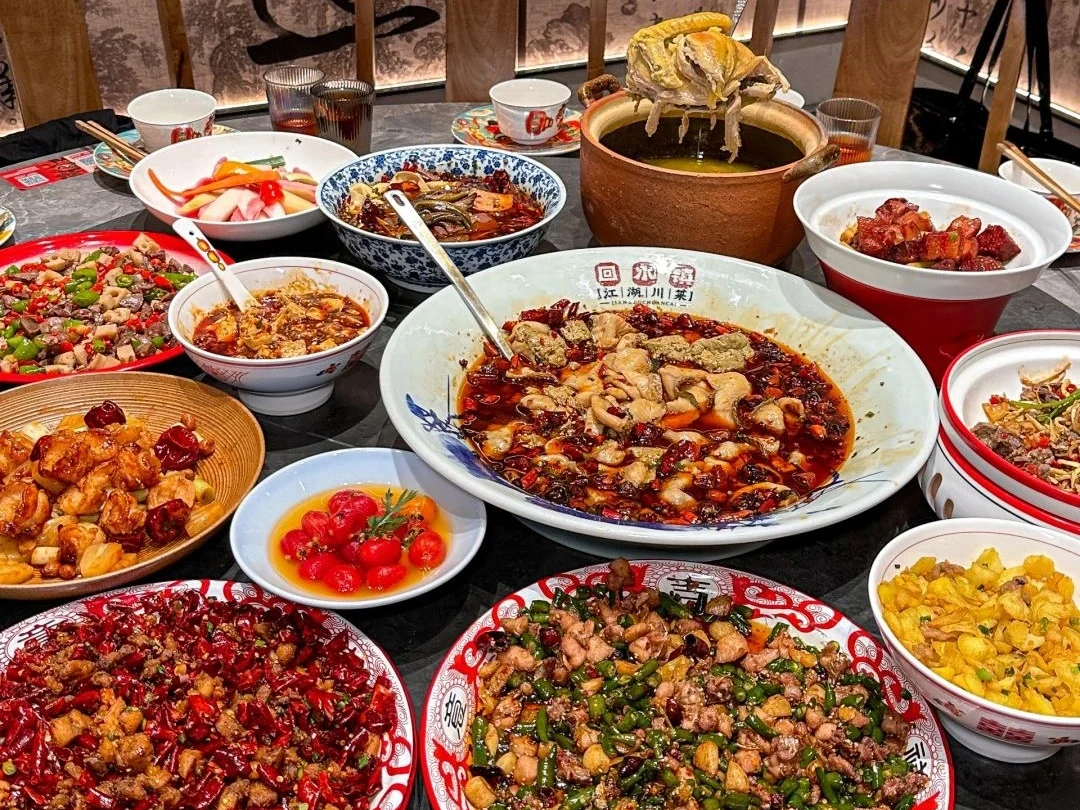
| Chuan (Sichuan) | Spicy, numbing, aromatic, bold & layered | Humid basin, uses chili, Sichuan pepper, fermented bean paste | Mapo Tofu, Boiled Fish, Kung Pao Chicken, Fuqi Feipian, Twice-Cooked Pork | Stir-frying, dry-frying, deep-frying, fermenting | Everyday food of fiery, optimistic Sichuan life |
| Yue (Cantonese) | Light, fresh, natural, ingredient-driven | Subtropical coast, rich in seafood, fruits, imports | White Cut Chicken, Steamed Grouper, Char Siu, Roast Goose, Shrimp Dumplings | Steaming, stir-frying, roasting, double-boiling | China’s most globalized cuisine, “refined eating” |
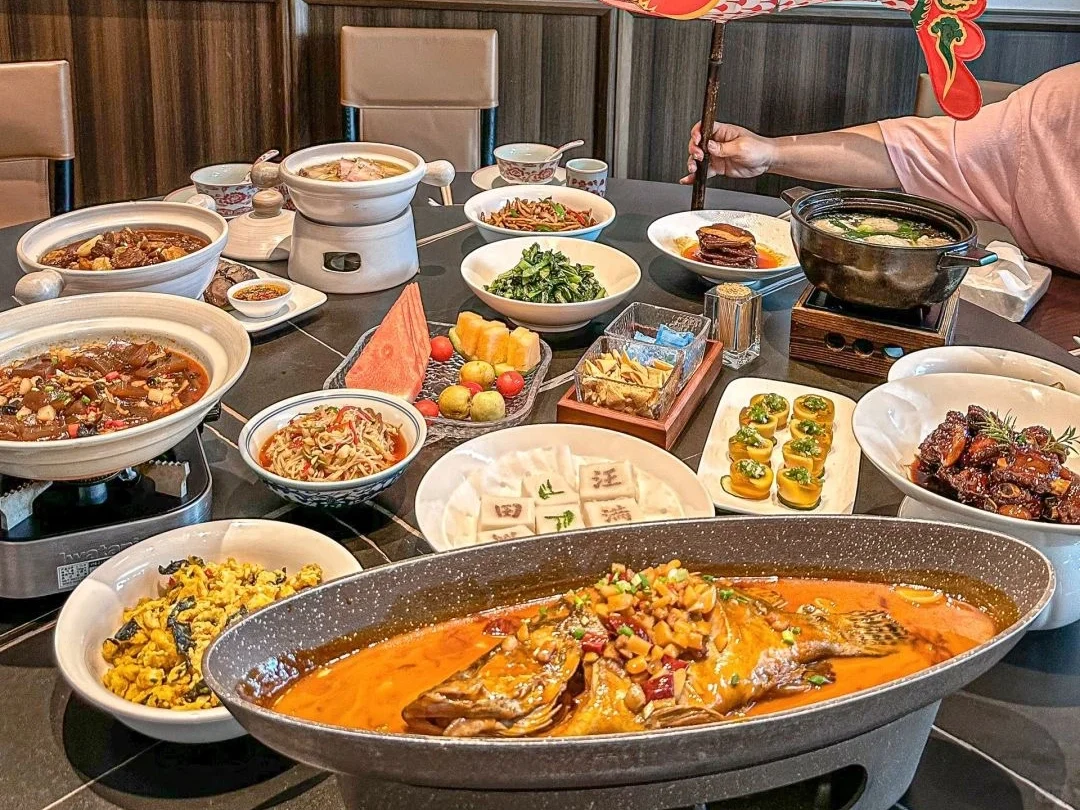
| Su (Jiangsu) | Mildly sweet, umami, elegant & refined | Eastern riverlands, lakes, refined Jiangnan culture | Squirrel Mandarin Fish, Lion’s Head Meatballs, Salted Duck, Crab Soup Dumplings | Braising, stewing, fine knife work | Delicate harmony of “color, aroma, taste, form” |
| Min (Fujian) | Fragrant, light, sweet-sour balance | Mountain-sea blend, overseas Chinese influence | Buddha Jumps Over the Wall, Lychee Pork, Fuzhou Fish Balls, Satay Noodles | Simmering, steaming, layered cooking | Coastal & overseas blend of land and sea |
| Zhe (Zhejiang) | Clean, crisp, slightly sweet or savory | River deltas, seasonal river delicacies, tea & bamboo | West Lake Vinegar Fish, Longjing Shrimp, Dongpo Pork, Beggar’s Chicken | Steaming, sautéing, quick-frying, tea-infusing | Poetry on a plate—graceful Jiangnan essence |
| Xiang (Hunan) | Pungent, spicy, smoky, rich in color & taste | Hot & humid hills, preserved meats for storage | Chopped Chili Fish Head, Mao’s Braised Pork, Steamed Cured Meats, Stir-Fried Beef | Stir-frying, smoking, simmering | “Bold, fiery, and proud” flavors from the heartland |
| Hui (Anhui) | Hearty, salty, earthy with fermented undertones | Mountainous, misty climate, rich in wild ingredients | Stinky Mandarin Fish, Fermented Tofu, Ham Stewed Turtle, One-Pot Dish | Braising, steaming, smoking, fermentation | Rustic depth from mountain life & merchant legacy |
China’s 8 Major Cuisines
1. Shandong Cuisine (鲁菜): “The Foundational Cuisine of Northern China”

Shandong cuisine is defined by its salty and fresh flavors, focusing on the pure expression of the natural taste of ingredients. It emphasizes crispy, tender, and fragrant textures. The people of Shandong are experts in using soy sauce and sweet bean paste to enhance flavors, with scallions being a signature ingredient. Whether used to stir-fry dishes for added aroma or paired with sea cucumbers in Braised Sea Cucumber with Scallions, the sweet, aromatic taste of scallions blends perfectly with the main ingredients.
Geographical and Climatic Background
Located in the Yellow River plain, Shandong benefits from its proximity to the Bohai Sea and the Yellow Sea, providing a wealth of seafood (such as sea cucumbers and prawns) and grains (corn, millet). The northern climate is dry, and the cuisine’s strong seasoning helps to stimulate the appetite while also facilitating food preservation.
Representative Dishes
- Nine-Turned Large Intestines (九转大肠): A dish cooked through nine processes, achieving a perfect balance of sour, sweet, spicy, salty, and umami flavors.

- Braised Sea Cucumber with Scallions (葱烧海参): The natural sweetness of Zhangqiu scallions combines with the soft, gelatinous texture of sea cucumbers, bringing a rich, savory sauce.

- Dezhou Braised Chicken (德州扒鸡): Tender chicken with a golden-brown skin, crisp on the outside, and juicy on the inside—this dish represents the finest in northern braised foods.

- Oil-Braised Prawns (油焖大虾): Prawns from the Bohai Sea, first fried and then braised in a rich, glossy sauce, delivering a sweet and savory flavor.

Cooking Techniques
Shandong cuisine is renowned for its skills in stir-frying, deep-frying, braising, and stewing, with stir-frying (especially the technique of “exploding” ingredients) being the most notable. For example, “oil-braised double-crunch” requires precise control of cooking time, where the lamb kidney and pork belly need to be cooked in just a few seconds to ensure the right texture—crisp and tender without being dry.
Cultural Significance
As one of the oldest Chinese cuisines, Shandong cuisine played an important role in the development of imperial palace cuisine during the Ming and Qing dynasties. Confucian cuisine, as served in the Kong family, represents the pinnacle of Shandong’s culture, emphasizing rituals and refinement. This cuisine reflects the dignity and richness of northern Chinese dining traditions.
2. Sichuan Cuisine (川菜): “A Fiery Flavor Frenzy”

Sichuan cuisine is defined by its signature spicy and numbing flavors, but it’s far from a one-dimensional sensation. The numbness comes from Sichuan peppercorns (from the Han Yuan region), the spiciness from bullet-head chilies and Erjing Tiao peppers, combined with the richness of broth to enhance the taste. Aromatic oils such as beef tallow or rapeseed oil add fragrance, while the hot and fast cooking technique of stir-frying seals in all the bold flavors. This unique combination gives rise to 24 classic flavor profiles, including fish-flavored, Kung Pao, garlic paste, and hot-and-sour variations. Each dish leaves a lasting taste memory.
Geographical and Climatic Background
Sichuan Basin is known for its humid, foggy climate, which makes the spicy and numbing flavors perfect for promoting sweating and dispelling moisture. The region’s abundance of Sichuan peppercorns, chili peppers, and doubanjiang (fermented broad bean paste) provides the soulful seasonings that define Sichuan cuisine. Additionally, the fertile land allows for a wide variety of ingredients to be available, giving chefs ample choices for cooking.
Representative Dishes
- Mapo Tofu (麻婆豆腐): Silky tofu paired with minced beef, this dish combines spicy and numbing flavors, with a smooth, flavorful texture.

- Water-Boiled Fish (水煮鱼): Tender fish fillets immersed in a rich, spicy broth, this dish is a Sichuan classic, where the fish remains delicate, despite the heat.

- Kung Pao Chicken (宫保鸡丁): Diced chicken with peanuts, dried chilies, and a tangy-sweet sauce, delivering layers of flavor and texture.

- Couple’s Lung Slices (夫妻肺片): A spicy appetizer featuring thinly sliced beef tripe and tongue, served with chili oil and garlic, offering a perfect balance of spicy and fragrant.

- Twice-Cooked Pork (回锅肉): Pork belly stir-fried with garlic shoots in a fragrant, rich sauce, combining crispy pork with savory flavors.

Cooking Techniques
Sichuan cuisine is famous for its use of stir-frying, exploding, deep-frying, braising, and quick-cooking. One of its key strengths lies in the fermentation of seasonings. For example, doubanjiang (fermented bean paste) is aged for months to deepen its flavor, while pickled chili peppers and pickled ginger bring an acidic, spicy note to dishes, making the flavor more robust and lingering.
Cultural Significance
Sichuan cuisine is often seen as the people’s cuisine in China, beloved by both street food vendors and home cooks. It embodies the optimistic, bold, and joyful lifestyle of the people in Sichuan, where the motto “No Spice, No Joy” reflects the local passion for intense flavors. This cuisine represents the pursuit of ultimate sensory experiences, where every dish aims to stimulate your taste buds with an explosion of spicy, numbing, savory, and aromatic sensations.
Groceries
3. Cantonese Cuisine (粤菜): “Refined Flavors, Delicate Details”

Cantonese cuisine follows the principle of “ingredient purity”, prioritizing the natural flavors of ingredients. It is known for its fresh, delicate, and refreshing taste, refusing to overwhelm the natural taste with excessive seasoning. Cantonese chefs have a high standard for freshness— seafood must be prepared fresh (killed and cooked on the spot), vegetables are chosen for their crispness, and even seasonings like salt, light soy sauce, and oyster sauce are used sparingly to highlight the natural essence of the ingredients.
Geographical and Climatic Background
Located in the Lingnan region of southern China, Guangdong enjoys a warm, humid climate with a long frost-free period, ensuring year-round availability of fresh seafood, poultry, and vegetables. As the starting point of the Maritime Silk Road, Guangdong’s long history of trade brought in spices from Southeast Asia and ingredients from the West, greatly enriching the culinary variety of Cantonese cuisine.
Representative Dishes
- White Cut Chicken (白切鸡): This dish features a free-range chicken, boiled in clear water, served with ginger-scallion oil. The chicken skin is smooth, and the meat is tender, offering the pure taste of chicken.

- Steamed Grouper (清蒸石斑鱼): Live fish is gently steamed, topped with soy sauce and scallion slices. The fish flesh remains snow-white, tender, and fresh without any fishy taste.

- Char Siu (叉烧): A pork tenderloin marinated in honey sauce and roasted to perfection. The result is a crispy, fragrant skin and sweet, tender meat.

- Roast Goose (烧鹅): Black-brown geese roasted with fruit wood, resulting in crispy skin and thick, flavorful meat, typically served with plum sauce to balance the richness.

- Shrimp Dumplings (虾饺): A representative dim sum dish, with a crystal-clear skin enclosing fresh shrimp filling. The dumplings are delicate, with a thin, large filling that is both fragrant and delicious.

Cooking Techniques
The core techniques of Cantonese cuisine are steaming, stir-frying, baking, and stewing. Steaming is considered the soul of Cantonese cooking, as it preserves the nutrients and fresh flavors of the ingredients. Popular dim sum items such as shrimp dumplings and shumai rely on perfect steaming timing. In addition, roast meats, such as Cantonese BBQ, and slow-cooked soups (such as old fire soup, which can simmer for 4-6 hours) showcase the depth of Cantonese culinary expertise.
Cultural Significance
As one of China’s most internationally influential cuisines, Cantonese food can be found in restaurants all over Southeast Asia, Europe, and North America. The dim sum culture is a unique feature of Cantonese cuisine, representing “slow living” and refined dining. With just a pot of tea and a few dim sum dishes, it reflects the Cantonese approach to appreciating life’s small pleasures. It also embodies their spirit of culinary exploration, showing their willingness to embrace diverse flavors and innovative cooking methods.
Groceries
4. Jiangsu Cuisine (苏菜): “The Refined Flavors of the Jiangnan Water Towns”

Jiangsu cuisine is characterized by its fresh, moderate sweetness and well-balanced salty and savory flavors. It avoids strong, intense tastes and seeks a more delicate, almost invisible flavor experience—“subtle yet profound.” Jiangsu cuisine places great importance on knife skills and soup-based dishes. The knife work is so precise that tofu can be sliced as thin as hair, and soups are slow-simmered with ingredients like old chicken and ham to create a deeply flavorful broth, which acts as the “hidden soul” of the dish.
Geographical and Climatic Background
The region lies along the middle and lower Yangtze River plains, with a network of rivers and lakes that provide an abundant variety of freshwater fish, shrimp, crabs, and eels. The culture of Jiangnan values refinement and elegance, a sensibility that permeates the cuisine. From the selection of ingredients to the presentation of dishes, Jiangsu food exudes the charm of Jiangnan—a region famed for its delicate beauty and sophistication.
Representative Dishes
- Squirrel-shaped Mandarin Fish (松鼠鳜鱼): A mandarin fish filleted and carved into a flower shape, deep-fried to resemble a squirrel, then drizzled with a sweet and sour sauce. The dish is crispy on the outside and tender on the inside, offering a perfect balance of sour and sweet.

- Clear-braised Lion’s Head (清炖狮子头): Minced pork belly, pounded until it becomes sticky, then slow-cooked for two hours to achieve a soft, cotton-like texture with a delicious broth.

- Salted Duck (盐水鸭): A specialty from Nanjing, where the duck is brined and then braised, resulting in tender, juicy meat with a salty, fragrant taste.

- Crab Roe Soup Dumplings (蟹黄汤包): A thin-skinned dumpling filled with crab roe and rich soup. The dumplings must be carefully bitten open to sip the hot soup inside—incredibly fresh and flavorful.

- Crispy Eel in Hot Oil (响油鳝糊): Eel strips stir-fried and thickened with a sauce, then drizzled with hot oil, creating a sizzling sound when it hits the pan. The dish has a rich, savory aroma.

Cooking Techniques
Jiangsu cuisine excels in techniques like braising, stewing, slow-cooking, and warming. The focus is on “low, slow heat”—for example, the Lion’s Head is braised slowly to achieve a delicate texture, while soups are simmered to lock in the flavors without losing their freshness. Knife skills are an essential part of Jiangsu cuisine, with dishes like “Wensi Tofu” (文思豆腐), where delicate tofu is sliced into thin threads that float gracefully in the broth, demonstrating the artistry of Chinese culinary techniques.
Cultural Significance
Jiangsu cuisine is deeply linked to the culture of Jiangnan’s gardens and scholarly traditions. Each dish reflects the aesthetics of the region, blending color, aroma, taste, and presentation in a way that resembles the elegance of Jiangnan’s watercolor landscapes. The cuisine epitomizes the delicacy and poetic nature of Southern Chinese food, making it a perfect reflection of the region’s cultural and culinary heritage.
Groceries
5. Fujian Cuisine (闽菜): “A Delicious Fusion of Mountain and Sea Flavors”

Fujian cuisine is known for its fresh, fragrant, and light flavors, with a perfect balance of sweet and sour. It makes great use of red yeast rice (a fermented ingredient), and shrimp oil (fish sauce), which add a unique fermented aroma to the dishes. The geography of Fujian, where mountains embrace the sea, gives Fujian cuisine its perfect balance of seafood freshness and mountain delicacies.
Geographical and Climatic Background
Located along China’s southeastern coast, Fujian is rich in seafood such as shrimp, crab, fish, and shellfish. The western mountainous regions provide an abundance of bamboo shoots, mushrooms, and wild herbs. Fujian’s famous status as a diaspora province has also led to the incorporation of Southeast Asian ingredients like satay and curry, enhancing the depth of flavors.
Representative Dishes
- Buddha Jumps Over the Wall (佛跳墙): The pinnacle of Fujian cuisine, this dish layers over a dozen premium ingredients such as sharks fin, abalone, sea cucumber, and scallops, slow-cooked for 12 hours. The result is a clear, aromatic broth so rich that even the Buddha would jump over the wall to taste it.

- Lychee Pork (荔枝肉): Pork is shaped like lychees, deep-fried, then coated in a tangy sweet and sour sauce, crispy on the outside, tender on the inside.

- Fuzhou Fish Balls (福州鱼丸): Made from eel meat minced into paste, these fish balls are stuffed with pork filling and float when boiled, creating a fresh, tender texture in the soup.

- Satay Noodles (沙茶面): A specialty of Xiamen, these noodles are served with satay sauce and broth, topped with shrimp and tofu, bringing a spicy, savory flavor.

- Earthworm Jelly (土笋冻): A unique “dark cuisine”, made by boiling sea worms into a gelatinous form, served with soy sauce and vinegar for a chewy, Q-texture experience.

Cooking Techniques
The key techniques of Fujian cuisine are stewing, steaming, stir-frying, and glazing, with stewing being the essence of the cuisine. For example, Buddha Jumps Over the Wall is carefully layered and simmered to allow the flavors to infuse and intensify. Steamed dishes like steamed Bao Gong fish focus on locking in moisture, ensuring the fish remains tender and juicy.
Cultural Significance
Fujian cuisine embodies the “mountain and sea” concept, with an ingenious use of both seafood and mountain ingredients. The cuisine also reflects the region’s diaspora culture, with influences from Southeast Asia, blending Eastern and Western flavors. The fusion of local culinary practices with global flavors has made Fujian cuisine a symbol of inclusivity and cultural integration.
6. Zhejiang Cuisine (浙菜): “The Elegant Taste of Jiangnan’s Poetry and Paintings”

Zhejiang cuisine is known for its light, fresh, and crisp flavors. It emphasizes seasonal ingredients—eating bamboo shoots in spring, melons in summer, crabs in autumn, and fish in winter—giving each dish a distinct seasonal taste. The flavors are generally sweet or mildly savory, avoiding heavy spices, much like the clear waters of West Lake in Hangzhou, which inspire its refreshing elegance.
Geographical and Climatic Background
Located in the Qiantang River region and the Jiangnan water towns, Zhejiang enjoys distinct seasons. The region offers an abundant supply of fresh river fish (such as bass and mandarin fish), bamboo shoots from Tianmu Mountain, and tea leaves like Longjing tea from West Lake. Hangzhou, a historically and culturally rich city, has greatly influenced Zhejiang cuisine. The refined aesthetic of the literati has shaped this cuisine into a perfect blend of deliciousness and poetic charm.
Representative Dishes
- West Lake Vinegar Fish (西湖醋鱼): Fresh grass carp from West Lake is first boiled and then topped with a sweet and sour sauce, giving the fish a delicate, tangy flavor with a hint of crab essence.

- Longjing Shrimp (龙井虾仁): Fresh shrimp stir-fried with Longjing tea from West Lake, blending the tea’s fragrance with the sweetness of the shrimp for a refreshing taste.

- Dongpo Pork (东坡肉): Pork belly cut into cubes, slowly braised in yellow wine, becoming tender with a rich, aromatic sauce. This dish is traditionally attributed to the famous poet Su Dongpo.

- Song Sao Fish Soup (宋嫂鱼羹): A fish soup made with mandarin fish, finely chopped, and combined with bamboo shoots and mushrooms, creating a tangy, spicy, and fragrant flavor. This dish is said to have been created by Song Sao, the wife of a Southern Song Dynasty official.

- Beggar’s Chicken (叫花鸡): A whole chicken wrapped in lotus leaves, coated with clay, and baked. The chicken is tender and juicy, with the lotus leaf’s fragrance infusing the meat.

Cooking Techniques
Zhejiang cuisine excels in steaming, stir-frying, deep-frying, and braising, with a special focus on enhancing natural flavors with local ingredients. For instance, Longjing tea is often used to add fragrance to dishes, while Tianmu bamboo shoots bring out the freshness. Stir-frying is done quickly to maintain the ingredients’ crispness and tenderness, such as in stir-fried shrimp, which must be cooked quickly to achieve the right texture.
Cultural Significance
Zhejiang cuisine is deeply tied to the literati culture of Hangzhou and West Lake. Each dish is like a “small poem”, reflecting the wisdom of scholars like Su Dongpo and Lu You, and the elegant charm of Jiangnan. Eating Zhejiang cuisine is akin to “tasting the poetry and paintings of Jiangnan”, embodying the essence of the region’s natural beauty and refined culture.
7. Hunan Cuisine (湘菜): “Bold and Spicy Flavors of the River Lakes”

Hunan cuisine is characterized by its bold, spicy flavors. The taste is heavy and deep, with a perfect blend of heat and fragrance. Hunan dishes are known for their spicy freshness and lingering aftertaste, which is distinctly different from Sichuan cuisine’s numbing spice. Chopped chili, fermented black beans, and smoked meats are commonly used to elevate the flavors. The spiciness in Hunan cuisine emphasizes the fresh heat of chili peppers and the fusion of spices with ingredients.
Geographical and Climatic Background
Hunan lies in the middle reaches of the Yangtze River and has a humid, rainy climate, historically referred to as the “land of dampness.” Spicy ingredients like chili and Sichuan peppercorns help to drive away moisture and cold, becoming essential seasonings in the cuisine. The region’s cold, damp winters led to the development of smoked meats, such as smoked pork, smoked fish, and other preserved foods, creating a unique smoked flavor system in Hunan cuisine.
Groceries
Representative Dishes
- Steamed Fish Head with Chopped Chili (剁椒鱼头): A signature dish showcasing the fresh fat head fish paired with homemade chopped chili. The dish is steamed to preserve the fresh, spicy flavors, representing the core of Hunan cuisine’s “fragrant spiciness”.

- Mao’s Red-Braised Pork (毛氏红烧肉): This dish uses pork belly with a mix of fat and lean meat, slowly simmered with rock sugar to achieve a glossy, red color and a sweet but not greasy taste.

- Xiangxi Grandma’s Dish (湘西外婆菜): A homey dish made with dried radish, pickled vegetables, and diced smoked pork, offering a salty, fragrant flavor that’s perfect with rice.

- Smoked Meat Trio (腊味合蒸): Smoked pork, smoked chicken, and smoked fish are steamed together to create a dish rich in smoked flavors, a traditional winter dish in Hunan.

- Stir-Fried Yellow Beef with Chilies (小炒黄牛肉): Fresh and tender yellow beef, stir-fried with small hot chilies. This dish is cooked quickly over high heat to keep the beef tender and spicy.

Cooking Techniques
Hunan cuisine is renowned for its skill in stir-frying, braising, stewing, and smoking. The stir-frying technique is particularly important, with quick, high-heat cooking that locks in moisture and enhances the flavors of the ingredients. The smoking technique, developed to preserve food during the cold winters in Hunan’s mountainous regions, imparts a distinctive smoky aroma to the dishes.
Groceries
Cultural Significance
The bold flavors of Hunan cuisine reflect the strong, passionate character of the people from this region, who are known for their resilience and determination. Much of the cuisine originates from the street food and family tables of Hunan, embracing rough-hewn simplicity and generosity. It’s a fusion of “street food” and “home-cooked meals”, offering a perfect balance of earthy and vibrant flavors, full of life and warmth. Whether served at a casual stall or at a family banquet, Hunan cuisine represents the “flavors of the streets” and “home-style cooking” with a distinctive, bold attitude.
8. Anhui Cuisine (徽菜): “Rich Flavors from the Mountainous Wilderness”

Anhui cuisine is known for its salty, fresh, and fragrant flavors, often using heavy oils and rich colors in its cooking. It skillfully incorporates mountain delicacies such as bamboo shoots, mushrooms, stone ear mushrooms, and stone chicken, combined with fermented and cured ingredients. The flavors are hearty and deep, with a focus on enhancing the natural taste of ingredients and the fermented aroma. The dishes are rich and complex, with lingering aftertastes.
Geographical and Climatic Background
Anhui cuisine originates from the Huizhou region of southern Anhui (now the Huangshan area). This region is known for its mountainous terrain, dense forests, and abundant mountain delicacies such as bamboo shoots and mushrooms. The humid, misty climate makes it difficult to preserve fresh ingredients, so local people developed techniques like pickling, curing, and smoking (such as ham, cured meats, and salted fish) to extend shelf life and impart a unique flavor. Due to the region’s poor transportation in ancient times, Anhui cuisine heavily relies on local ingredients, reflecting the regional philosophy of “relying on the mountains for food.”
Representative Dishes
- Stinky Mandarinfish (臭鳜鱼): Fresh mandarin fish is salted and fermented, creating a unique “stinky and fragrant” taste. After braising, the fish becomes tender and flavorful, representing the pinnacle of Anhui’s fermented flavor.

- Fermented Tofu (毛豆腐): Tofu is naturally fermented with white fungal growth, then pan-fried to a crispy exterior while remaining tender inside. It’s served with a spicy sauce for a distinctive taste.

- One-Pot Feast (一品锅): A slow-cooked dish where dried bamboo shoots, cured meats, tofu, and egg dumplings are layered and simmered over low heat, offering a balanced blend of savory and rich flavors, often served as the centerpiece at Anhui feasts.

- Huizhou Knife Board (徽州刀板香): Cured meat is sliced and placed on a knife board for steaming. The result is rich, savory, and fragrant, with a texture that is fatty yet not greasy, and the dish is named after the “knife board” used to serve it.

Cooking Techniques
Anhui cuisine emphasizes braising, stewing, smoking, and steaming, with a particular focus on slow-cooking methods like braising and stewing. The slow simmering allows the ingredients to release their natural flavors, resulting in rich, thick broths that cling to the food. Fermentation and curing are the soul of Anhui cuisine, utilizing natural processes (such as stinky mandarinfish and fermented tofu) and wood smoke (for cured meats and ham) to impart complex flavors that go beyond freshness—showcasing the wisdom of the people living in the mountains, who adapted to their natural environment.
Groceries
Cultural Significance
Anhui cuisine is deeply intertwined with the Huizhou merchant culture (徽商). As Huizhou merchants traveled across China, they brought their regional ingredients and cooking techniques with them, while also incorporating external culinary influences. This fusion gave Anhui cuisine a unique balance of earthiness and refinement. The style of Anhui cuisine is similar to the ancient Huizhou villages, which are simple and unadorned but carry profound cultural and culinary philosophies. It represents the fusion of mountain life and human wisdom, offering a rich culinary experience that is deeply tied to the land.
Commonalities and Differences of the Eight Major Cuisines
Commonalities: Shared Culinary Wisdom

The Eight Major Cuisines all share deep-rooted principles from China’s long culinary history. “No food out of season” is a guiding rule, with dishes reflecting the best seasonal ingredients:
- Spring offers tender shoots, like bamboo.
- Summer brings fresh seafood.
- Autumn features crabs.
- Winter brings preserved foods.
The skill of knife work and fire control is essential in every cuisine, whether it’s Sichuan’s stir-fried beef, Su cuisine’s finely cut tofu, or Shandong’s braised sea cucumber. Seasoning is about balance—from the subtle fresh flavors of Cantonese cuisine to the spicy numbing flavors of Sichuan.
Each cuisine reflects regional cultural wisdom, shaped by geography, climate, and traditions.
Differences: Regional Flavor Expression

The differences in the Eight Major Cuisines are what make them unique:
- Sichuan and Hunan both love spice but differ in the flavor intensity—Sichuan combines spicy and numbing, while Hunan focuses purely on spicy.
- Cantonese is known for fresh and light flavors, like steamed fish, while Zhejiang cuisine has a delicate sweetness (e.g., West Lake Vinegar Fish).
Ingredients reflect regional geography:
- Coastal regions like Shandong and Fujian emphasize seafood.
- Mountainous regions like Hunan and Anhui focus on wild ingredients and preserved foods.
Cooking styles also vary:
- Jiangsu and Zhejiang are refined and delicate (e.g., Squirrel-Shaped Mandarin Fish).
- Sichuan and Hunan are bold and hearty (e.g., Boiled Fish in Hot Sauce).
These differences illustrate China’s belief: “Ten miles different wind, a hundred miles different taste.”
The Extension of Food Culture – Beyond Just Eating
The Eight Major Cuisines of China offer more than just a sensory experience; they carry deep cultural meanings, reflecting the rituals, regional identities, and philosophical values of the Chinese people.
Groceries
Culinary Traditions and Festivals
Food is closely tied to seasonal cycles and blessings in Chinese culture:
- During Chinese New Year, Northern China, influenced by Shandong cuisine, enjoys dumplings (symbolizing wealth and prosperity), while Southern regions such as Jiangsu, Zhejiang, and Guangdong focus on dishes like steamed fish, representing the wish for “surplus every year”.

- Zongzi (sticky rice dumplings) vary by region during the Dragon Boat Festival. Northern China prefers sweet zongzi (filled with dates and red bean paste) reflecting the rustic charm of Shandong cuisine, while Southern China opts for savory zongzi (with meat and salted egg yolk), highlighting the delicate flavors of Cantonese and Fujian cuisines.

- Mooncakes during the Mid-Autumn Festival are also shaped by regional cuisine. Cantonese mooncakes (with lotus seed paste or five nuts) are finely crafted and delicate, while Suzhou mooncakes (with fresh meat or flaky crust) have a more rustic, savory flavor. Each bite represents the unique cultural symbol of the holiday.

Regional Lifestyles and Dining Styles
The regional lifestyles are deeply intertwined with the local cuisines:
- Northern cuisine fosters a culture of hearty meals, where people enjoy generous portions of meat and alcohol, such as Shandong’s Nine-Turned Large Intestines or Northeastern Chinese’s Sweet and Sour Pork (锅包肉).
- Southern cuisine embraces delicate, bite-sized meals, as seen in Jiangsu and Zhejiang’s soup dumplings or Cantonese dim sum, which emphasize small, exquisite flavors.
There are also unique dining scenes:
- Cantonese dim sum embodies “slow socializing”, where a simple meal of shrimp dumplings and Pu-erh tea can stretch into a leisurely afternoon conversation.
- Sichuan and Chongqing hotpots reflect a “spicy, lively life”, where the bubbling red broth and lively atmosphere are a perfect representation of the vibrant, bustling culture of these regions.
Dining Etiquette and Philosophy
Dining etiquette and philosophy are integral parts of daily life in China:
- Chopsticks are more than just utensils; they are symbols of elegance and respect in dining. The way you pick up food without stirring it or crossing over someone else’s portion reflects politeness.
- The saying “Food is the heaven of the people” (“民以食为天”) speaks to the central importance of food in Chinese life.
- Sharing dishes is a core part of the dining experience. The communal culture of family-style dining brings people together around the table. A dish like Red-Braised Pork or a Buddha Jumps Over the Wall soup not only satisfies hunger but also strengthens emotional connections and wisdom among friends and family.Groceries
Challenges, Misconceptions, and Future Trends
Misconceptions: The “Eight Cuisines” Are Not the Whole of Chinese Cuisine
While the Eight Major Cuisines offer a classic framework for understanding Chinese food, they do not represent the entirety of China’s culinary diversity. This classification primarily covers mainstream flavors, but Chinese cuisine extends far beyond this structure. For example, Northeastern cuisine with its Sweet and Sour Pork, Northwestern cuisine with Hand-Pulled Lamb (手抓羊肉), and Guizhou cuisine with its Sour Fish Soup (酸汤鱼) are all equally significant. Additionally, Halal cuisine and vegetarian specialties form distinct culinary traditions that contribute to the diverse Chinese food map. These should not be limited by the “Eight Cuisines” framework.
Challenges: Blurring Regional Boundaries
The lines between regions are becoming increasingly blurred:
- Migration and globalization have led to the blending of regional flavors. For example, Sichuan-style hotpot has become popular nationwide, transcending its regional origins.
- Modern kitchen technology such as cold-chain logistics and pre-made seasonings has allowed ingredients and cooking techniques to move across regions more easily. This has given rise to fusion cuisine, such as spicy shrimp dumplings (麻辣虾饺) combining Sichuan and Cantonese styles, and sweet and sour ribs with sea cucumber (糖醋排骨烧海参) mixing Shandong and Zhejiang influences. These innovative combinations challenge the rigid boundaries traditionally associated with the Eight Major Cuisines.
Trends: Sustainability and Health Leading the Change
In recent years, sustainability and health have emerged as key drivers of change in Chinese cuisine:
- Ingredient sourcing is focusing more on organic and locally grown products to reduce carbon footprints.
- The health-conscious demand is influencing cooking techniques, with Sichuan cuisine becoming less oily and spicy, while Cantonese cuisine has incorporated more steamed and slow-cooked dishes. The popularity of medicinal herbs and lighter traditional meals is rising as part of the wellness movement.
- At the same time, there is a growing awareness of the need to protect rare ingredients such as wild mushrooms and deep-sea fish, promoting sustainable practices within the development of these cuisines.
Evolution: Balancing Fusion and Tradition
Fusion cuisine is not about abandoning tradition but innovating within it:
- For example, molecular gastronomy techniques have made Su cuisine’s “fine-sliced tofu” (文思豆腐) more exquisite and precise, while social media has helped Hunan cuisine’s stir-fried beef appeal to younger generations.
- However, traditional techniques remain central to many dishes. For example, Anhui cuisine continues to preserve the fermentation process for Stinky Mandarin Fish, and Shandong cuisine remains committed to mastering stir-frying techniques, perfecting the balance of heat and timing. This combination of innovation and tradition ensures the enduring vitality of Chinese cuisine.
Practical Experience Guide – Tips for International Readers
Getting Started with the Eight Major Cuisines
If you’re eager to explore the Eight Major Cuisines of China, start with beginner-friendly dishes and practical tips to make your culinary journey smoother.
First-time Try: Choose the Right Entry-Level Dishes
You don’t need to dive straight into bold, intense flavors. Begin with dishes that introduce the core elements of each cuisine:
- Sichuan cuisine: Start with Kung Pao Chicken, which offers a balance of sweet, sour, and mild spice—a good introduction before venturing into the heavier spicy dishes.
- Cantonese cuisine: Try White Cut Chicken, known for its freshness and lightness, offering a taste of natural flavors without overwhelming spices.
- Su cuisine: Begin with Squirrel-Shaped Mandarin Fish, which showcases delicate knife skills and perfect balance in flavor.
- Fujian cuisine: Sample Fuzhou Fish Balls, a springy and fresh dish, to get a feel for the region’s unique texture and umami flavors, before trying more adventurous fermented dishes.
Recognizing Authentic Chinese Restaurants Abroad
Knowing how to spot an authentic Chinese restaurant overseas can make a big difference in your food experience:
- Cantonese restaurants: Look for a “roast meat counter” (明档烧腊档) where dishes like roast goose and char siu are on display. Authentic Cantonese spots will have these meats hanging visibly.
- Sichuan restaurants: Check for a “red oil sheen” on the dishes (红油色泽), especially in hotpot. Authentic red oil should be bright, clear, and aromatic. Also, see if the restaurant makes pickled vegetables in-house.
- Su and Zhejiang restaurants: Look for seasonal menus (时令菜牌) featuring ingredients like spring bamboo shoots or fresh crab (大闸蟹) to ensure they are using fresh, locally sourced ingredients.
Chinese Food Travel Routes: Choose Based on Flavor Profiles

Planning a culinary trip in China? Here’s how to align your travel route with the flavors you want to explore:
Groceries
- Eastern China Route (Su, Zhe, Hu): Focus on delicate and refined flavors—Try crab yellow soup dumplings in Suzhou, Longjing shrimp in Hangzhou, and Shanghai-style red-braised pork to experience the subtle elegance of Jiangnan cuisine.
- Southern China Route (Canton, Fujian): Experience the freshness and tea culture—Start with Dim Sum in Guangzhou, including shrimp dumplings and siu mai. In Xiamen, try Shacha noodles with Tuxun jelly, and in Fuzhou, indulge in Buddha Jumps Over the Wall for a rich coastal flavor experience.
- Southwest China Route (Sichuan, Hunan): Dive into a spicy, flavorful adventure—Enjoy Sichuan-style hotpot (麻辣火锅) in Chengdu, spicy chicken (辣子鸡) in Chongqing, and Chopped Chili Fish Head in Changsha, pairing with iced jelly (冰粉) and sour plum juice (酸梅汤) to balance the heat and experience the fiery lifestyle of this region.
Traditional Chinese Cooking Techniques
Chinese cuisine features a rich array of cooking techniques developed over centuries, with each method contributing unique flavors and textures to dishes.
These 24 techniques exemplify the artistry of Chinese culinary skills, from quick stir-frying to slow simmering.
- Stir-Frying (炒): A fundamental method using high heat, quick cooking, and minimal oil. Ingredients are cut into small pieces such as slices, strips, or cubes and stir-fried in a hot wok.
- Quick-Frying (爆): This method involves cooking ingredients quickly over very high heat for a short time, resulting in crisp, tender dishes. Typical ingredients include meats like chicken gizzards and duck.
- Sauteing (熘): The pre-cooked ingredients are stir-fried quickly with a pre-made sauce or broth, often for rich flavor and a glossy finish.
- Deep-Frying (炸): Ingredients are fried in a large amount of oil over high heat until golden and crispy. Variations include soft-frying, crisp-frying, and bread crumb frying.
- Flash-Cooking (烹): Used mainly for meats and vegetables, this technique combines flash-frying and fast seasoning with a starchy sauce.Best vacation packages
- Pan-Frying (煎): A small amount of oil is used to fry ingredients until both sides are golden and cooked evenly, commonly used for flat items.
- Crisping (贴): This is similar to pan-frying, but only one side of the food is fried, leaving the other side tender.
- Simmering (烧): After initial cooking, ingredients are simmered with broth and seasonings to absorb flavors. Variations include red-cooked, white-cooked, or soy-braised dishes.
- Braising (焖): Ingredients are simmered over low heat with the lid on for an extended time, creating a tender, flavorful dish.
- Stewing (炖): Stewing uses more broth than braising and is typically done over low heat for a long time to soften ingredients thoroughly.
- Steaming (蒸): Ingredients are cooked using steam to retain their natural flavors, with methods like dry-steaming, clear-steaming, and powder-steaming.
- Boiling (汆): A quick method where ingredients are blanched in boiling water, often used for delicate items like slices or small cuts of meat.
- Poaching (煮): Similar to boiling, but done at a lower temperature for a longer period to infuse flavors into the dish.
- Braising in Soup (烩): Ingredients are mixed with broth and cooked slowly, sometimes with a starch slurry to thicken the sauce.
- Flashing (炝): A technique where blanched or oil-tossed ingredients are mixed with pepper oil, creating cold dishes with intense flavor.
- Pickling (腌): Ingredients are marinated with seasonings, often with salt, wine, or vinegar, to release water and infuse flavor.
- Mixing (拌): Often used for salads or cold dishes, where raw or cooked ingredients are mixed with dressings.
- Grilling (烤): Ingredients are cooked by radiant heat, often creating a crispy exterior while keeping the inside tender.
- Brining (卤): Meats or vegetables are cooked in a rich, seasoned brine and then served cold.
- Jellifying (冻): A technique where collagen-rich ingredients are boiled, and the broth is allowed to cool and set into a jelly-like consistency.
- Candied (拔丝): Ingredients are coated in a caramelized sugar syrup, creating a sticky and sweet outer layer that pulls into strands when eaten.
- Honey Glazing (蜜汁): Honey and sugar are boiled into a syrup, which is poured over steamed or boiled ingredients for a sweet, glossy finish.
- Smoking (熏): Pre-cooked ingredients are exposed to smoke to infuse them with a smoky flavor.
- Rolling (卷): Ingredients are rolled in wrappers made of vegetables, dough, or other items, then steamed or fried.